
European Economic
and Social Committee
Rise in drug trafficking in the EU: the European Economic and Social Committee calls for action
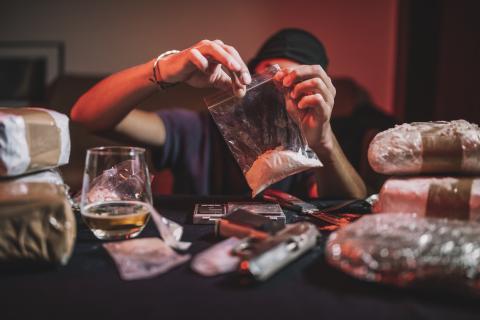
Amid an unprecedented surge in illicit drugs available on European streets, the EESC is asking for strategic action to strengthen Europe’s response to drug trafficking
The European Economic and Social Committee (EESC) has called for customs administrations and police forces in the Member States to be beefed up in order to tackle the surge in drug trafficking and organised crime in the EU.
In the opinion Roadmap on anti-drug trafficking, adopted at its plenary session in April, the EESC recommended that police and customs administrations in EU countries should be provided with adequate human and technical resources, decent pay, fair working conditions and continued training.
In its view, involving trade unions in resource allocation ensures a comprehensive approach to addressing human resources and equipment needs.
The EESC also called for better cross-border law enforcement coordination between police and customs authorities and for drug use to be combated with a more whole-of-society approach.
The drugs trade orchestrated by organised crime is one of the most serious security threats facing Europe today, and the situation is escalating, as clearly demonstrated by the unprecedented increase in illicit drugs available in Europe, in particular cocaine from South America.
From the record-breaking 9.5 tonnes of cocaine intercepted in Spain’s Algeciras port to the violent repercussions reverberating through our communities, the stakes have never been higher. Tragically, the toll of this crisis extends beyond drug seizures, claiming the lives of thousands through drug overdoses. In 2021, 6 200 people died in the EU from a drug overdose.
In the opinion, the EESC argues that combating the abuse of drugs and hard drugs necessitates a more comprehensive societal approach. Its rapporteur Christian Moos emphasised that ‘the consumption of drugs must not be seen as a crime, but as an addiction issue’. The EESC strongly recommends studying the experiences of countries and regions where the use of certain drugs is now tolerated and/or the use of cannabis has been decriminalised. A progressive stance towards tackling substance abuse must be put forward and encouraged.
The Committee also highlighted the importance of international collaboration. Enhanced cross-border coordination between police and customs authorities, coupled with better cooperation between law enforcement and judicial authorities as well as fiscal authorities, constitutes the cornerstone of Europe’s strategy to combat organised crime effectively.
Work organisation
Recommended for you
Pro odolnost EU má zásadní význam aktivní úloha organizované občanské společnosti
News
Na plenárním zasedání EHSV se diskutovalo o tom, jak roste význam organizované občanské společnosti a měst, neboť ovlivňují schopnost Evropy čelit asymetrickým otřesům a neočekávaným…
Mladí lidé coby hybatelé změn a evropské integrace zemí západního Balkánu
News
V rámci konference občanské společnosti na vysoké úrovni na téma Politika v oblasti mládeže v zemích západního Balkánu, kterou uspořádal Evropský hospodářský a sociální výbor (EHSV),…
České předsednictví chce dát Evropě nové pojetí, novou podobu a nový impuls
News
Jedním z bodů červencového plenárního zasedání Evropského hospodářského a sociálního výboru (EHSV) byla diskuse s českým ministrem zahraničních věcí Janem Lipavským o…
Vaše Evropa, váš názor (YEYS!) 2023: Mladí lidé požadují transparentnější, digitálnější a zjednodušenou EU
News
Evropský hospodářský a sociální výbor (EHSV) uspořádal ve dnech 23. a 24. března 14. ročník akce Vaše Evropa, váš názor (YEYS!). V jejím rámci se v Bruselu sešlo 105 studentů z 35 škol ze všech 27…
Spravedlivý přechod na nízkouhlíkovou společnost není možný bez účasti občanské společnosti
News
Dolní Vítkovice v Ostravě jsou bývalou průmyslovou oblastí, kde se dříve těžilo uhlí a vyráběla ocel. 11. října 2022 se zde na konferenci sešli zástupci akademické obce, místních…