
European Economic
and Social Committee
Rise in drug trafficking in the EU: the European Economic and Social Committee calls for action
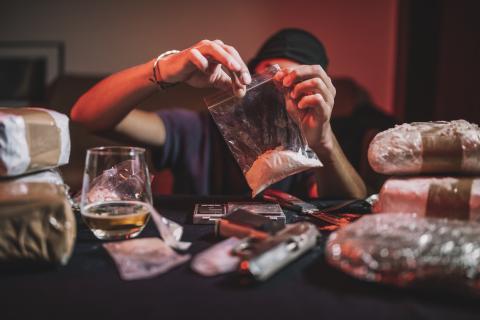
Amid an unprecedented surge in illicit drugs available on European streets, the EESC is asking for strategic action to strengthen Europe’s response to drug trafficking
The European Economic and Social Committee (EESC) has called for customs administrations and police forces in the Member States to be beefed up in order to tackle the surge in drug trafficking and organised crime in the EU.
In the opinion Roadmap on anti-drug trafficking, adopted at its plenary session in April, the EESC recommended that police and customs administrations in EU countries should be provided with adequate human and technical resources, decent pay, fair working conditions and continued training.
In its view, involving trade unions in resource allocation ensures a comprehensive approach to addressing human resources and equipment needs.
The EESC also called for better cross-border law enforcement coordination between police and customs authorities and for drug use to be combated with a more whole-of-society approach.
The drugs trade orchestrated by organised crime is one of the most serious security threats facing Europe today, and the situation is escalating, as clearly demonstrated by the unprecedented increase in illicit drugs available in Europe, in particular cocaine from South America.
From the record-breaking 9.5 tonnes of cocaine intercepted in Spain’s Algeciras port to the violent repercussions reverberating through our communities, the stakes have never been higher. Tragically, the toll of this crisis extends beyond drug seizures, claiming the lives of thousands through drug overdoses. In 2021, 6 200 people died in the EU from a drug overdose.
In the opinion, the EESC argues that combating the abuse of drugs and hard drugs necessitates a more comprehensive societal approach. Its rapporteur Christian Moos emphasised that ‘the consumption of drugs must not be seen as a crime, but as an addiction issue’. The EESC strongly recommends studying the experiences of countries and regions where the use of certain drugs is now tolerated and/or the use of cannabis has been decriminalised. A progressive stance towards tackling substance abuse must be put forward and encouraged.
The Committee also highlighted the importance of international collaboration. Enhanced cross-border coordination between police and customs authorities, coupled with better cooperation between law enforcement and judicial authorities as well as fiscal authorities, constitutes the cornerstone of Europe’s strategy to combat organised crime effectively.
Work organisation
Recommended for you
Sabiedrisko pakalpojumu līdzradīšana veselības nozarē būs ieguldījums līdzdalības demokrātijas stiprināšanā Eiropas Savienībā
News
Šajā pasākumā, ko organizēja Eiropas Ekonomikas un sociālo lietu komiteja (EESK) un Debrecenas Universitāte, tika uzsvērts, cik būtiska ir vispārējas nozīmes pakalpojumu līdzradīšana veselības un…
Eiropas Savienībai ir vajadzīgs rīcības plāns, lai nodrošinātu cenas ziņā pieejamus un kvalitatīvus mājokļus
News
Augsta līmeņa konferencē, ko Rīgā rīkoja Eiropas Ekonomikas un sociālo lietu komiteja (EESK), tika paustas bažas par cenas ziņā pieejamu mājokļu krīzi un izskanēja brīdinājumi, ka Eiropas Savienībai…
Migrantu instrumentalizācija un Ukrainas bēgļu krīze liek no jauna pievērsties migrācijas politikai
News
Valsts finansētā migrantu instrumentalizācija, kuras mērķis ir destabilizēt ES, un pašreizējais karš Ukrainā, kas novedis pie vēl nepieredzēta bēgļu pieplūduma, liek pārskatīt Eiropas migrācijas…
“JŪSU EIROPA, JŪSU LĒMUMI” 2023. gadā jaunieši prasa pārredzamāku, digitālāku un vienkāršotāku Eiropas Savienību
News
23. un 24. martā Eiropas Ekonomikas un sociālo lietu komitejā 14. reizi norisinājās pasākums “Jūsu Eiropa, jūsu lēmumi”, kurā piedalījās 105 skolēni no 35 skolām. Jaunieši bija ieradušies no visām…
#EnergyPoverty – enerģētiskā nabadzība sievietes skar vairāk nekā vīriešus
News
Ekonomisku, fizioloģisku, sociālu un kultūras iemeslu dēļ enerģētiskā nabadzība sievietes var skart vairāk nekā vīriešus. Ņemot vērā jaunākos satraucošos statistikas datus, Eiropas Ekonomikas un…