
European Economic
and Social Committee
Rise in drug trafficking in the EU: the European Economic and Social Committee calls for action
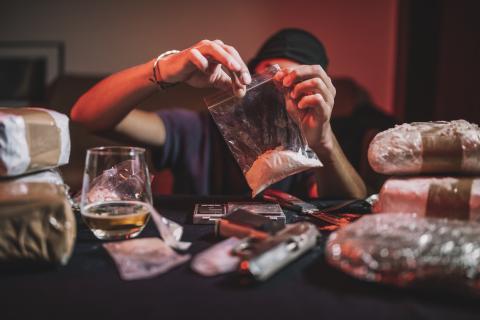
Amid an unprecedented surge in illicit drugs available on European streets, the EESC is asking for strategic action to strengthen Europe’s response to drug trafficking
The European Economic and Social Committee (EESC) has called for customs administrations and police forces in the Member States to be beefed up in order to tackle the surge in drug trafficking and organised crime in the EU.
In the opinion Roadmap on anti-drug trafficking, adopted at its plenary session in April, the EESC recommended that police and customs administrations in EU countries should be provided with adequate human and technical resources, decent pay, fair working conditions and continued training.
In its view, involving trade unions in resource allocation ensures a comprehensive approach to addressing human resources and equipment needs.
The EESC also called for better cross-border law enforcement coordination between police and customs authorities and for drug use to be combated with a more whole-of-society approach.
The drugs trade orchestrated by organised crime is one of the most serious security threats facing Europe today, and the situation is escalating, as clearly demonstrated by the unprecedented increase in illicit drugs available in Europe, in particular cocaine from South America.
From the record-breaking 9.5 tonnes of cocaine intercepted in Spain’s Algeciras port to the violent repercussions reverberating through our communities, the stakes have never been higher. Tragically, the toll of this crisis extends beyond drug seizures, claiming the lives of thousands through drug overdoses. In 2021, 6 200 people died in the EU from a drug overdose.
In the opinion, the EESC argues that combating the abuse of drugs and hard drugs necessitates a more comprehensive societal approach. Its rapporteur Christian Moos emphasised that ‘the consumption of drugs must not be seen as a crime, but as an addiction issue’. The EESC strongly recommends studying the experiences of countries and regions where the use of certain drugs is now tolerated and/or the use of cannabis has been decriminalised. A progressive stance towards tackling substance abuse must be put forward and encouraged.
The Committee also highlighted the importance of international collaboration. Enhanced cross-border coordination between police and customs authorities, coupled with better cooperation between law enforcement and judicial authorities as well as fiscal authorities, constitutes the cornerstone of Europe’s strategy to combat organised crime effectively.
Work organisation
Recommended for you
Toghadh Séamus Boland ina Uachtarán ar Choiste Eacnamaíoch agus Sóisialta na hEorpa, agus gheall sé go gcuirfear an tsochaí shibhialta i gcroílár na hEorpa
News
Toghadh Séamus Boland na hÉireann ar an 35ú Uachtarán ar Choiste Eacnamaíoch agus Sóisialta na hEorpa (CESE) le haghaidh an téarma oifige 2025-2028. Is urlabhra riamh anall é do phobail na tuaithe…
CESE, Uachtarántacht na hÉireann agus an fhís choiteann atá acu
News
I ndiaidh na díospóireachta a reáchtáladh le Comhaltaí CESE le linn sheisiún iomlánach mhí Iúil, níl aon dabht faoi ach go bhfuil clár Uachtaránacht reatha an Aontais ag freagairt go mór do na…
#YEYS2022: Ceist na bréagaisnéise pléite ag aos óg na hEorpa agus a dtuairimí ina leith curtha in iúl acu don Leas-Uachtarán Jourová
News
Chuir daltaí meánscoile ó gach cearn den Eoraip ocht gcinn de thograí nithiúla faoi bhráid Leas-Uachtarán an Choimisiúin Eorpaigh um Luachanna agus um Thrédhearcacht, Věra Jourová. Bhí páirt á…
#CivilsocietyforUkraine
News
Cáineann CESE ionradh Rialtas na Rúise ar an Úcráin, ionradh atá gan údar agus gan chúis Rún ó Choiste Eacnamaíoch agus Sóisialta na hEorpa (CESE) maidir leis an gcogadh san Úcráin agus an tionchar…
Eagrán speisialta de CESE info
News
Eagrán speisialta de CESE info atá dírithe ar an Úcráin. Is féidir scéal Tetyana Ogarkova a léamh, bean a chuala fuaim ionradh na Rúise ar dhúiseacht di an 24 Feabhra.