
European Economic
and Social Committee
EU:s förmåga att engagera sina medborgare kommer i stor utsträckning att vara avgörande för uppnåendet av klimatneutralitet
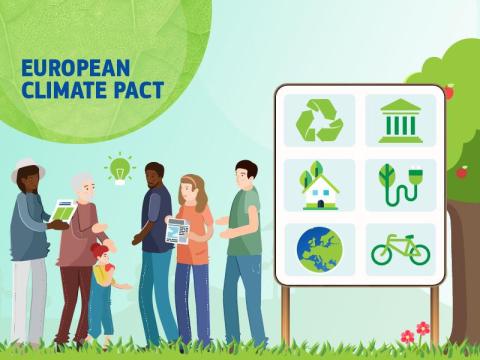
EU:s förmåga att engagera sina medborgare kommer i stor utsträckning att vara avgörande för uppnåendet av klimatneutralitet. Att ta itu med klimat- och miljöutmaningar har blivit en topprioritering för EU. Från klimatförändringar till klimatnödläge – EU måste genomföra betydande förändringar för att främja en välfärdsekonomi.
För att ta itu med dessa utmaningar och få till stånd dessa förändringar har Europeiska kommissionen antagit en grön giv och inlett ett samråd för att samla in synpunkter kring hur allmänheten kan engageras i en europeisk klimatpakt.
EESK ombads därför ge vägledning om hur man kan bygga vidare på befintliga strukturer som medborgardialoger och medborgarförsamlingar för att uppnå det önskade samhällsengagemanget för målen för hållbar utveckling, eftersom detta är avgörande för att alla klimatåtgärder ska lyckas.
”När kommissionen genomför klimatpakten har den såväl ett lämpligt tillfälle som en skyldighet att utforma en innovativ strategi som återspeglar, stöder och inspirerar de åtgärder som redan pågår i det civila samhället, i lokalsamhällen, städer och regioner”, konstaterar Dimitris Dimitriadis, föredragande för yttrandet om en europeisk klimatpakt.
Kommissionen föreslår vidare att ett nytt mål för 2030 ska läggas till i EU:s lagstiftning genom den nyligen föreslagna Europeiska klimatlagen, där det fastställs ett bindande mål om nettonollutsläpp av växthusgaser senast 2050.
”Tidpunkten för det civila samhället och myndigheterna att förena sina krafter och förbinda sig att genomföra klimatlagen skulle inte ha kunnat vara lägligare än nu när vi går in i återhämtningsfasen efter covid-19. Pandemin har fått oss alla att inse att vi verkligen kan göra saker och ting på ett väldigt annorlunda sätt om vi anstränger oss”, menar Jan Dirx, föredragande för yttrandet om en europeisk klimatlag. (mr)