
European Economic
and Social Committee
Il conseguimento della neutralità climatica dipenderà in larga misura dalla capacità dell'UE di coinvolgere i cittadini
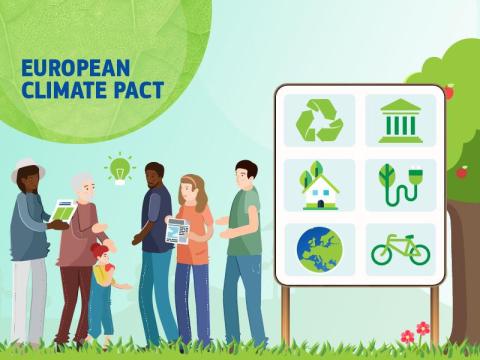
Il conseguimento della neutralità climatica dipenderà in larga misura dalla capacità dell'UE di coinvolgere i cittadini. Affrontare con decisione le sfide climatiche e ambientali è diventata una priorità assoluta dell'UE. Dai cambiamenti climatici all'emergenza climatica, l'UE deve essere motore di mutamenti sostanziali per promuovere un'economia del benessere.
Per affrontare queste sfide e apportare questi cambiamenti, la Commissione europea ha adottato il Green Deal europeo e avviato una consultazione per raccogliere opinioni su come coinvolgere i cittadini in un Patto climatico europeo.
Il CESE è quindi stato chiamato a elaborare un parere che fornisca indicazioni sui modi di far leva sulle strutture esistenti - come i dialoghi e le assemblee dei cittadini - per realizzare l'auspicato coinvolgimento della società civile negli obiettivi di sviluppo sostenibile, dato che il successo dell'insieme delle azioni per il clima dipenderà da questo impegno civico.
"Con l'attuazione del Patto climatico, la Commissione ha un'importante opportunità - e anche l'obbligo - di dar forma a un approccio innovativo che rispecchi, sostenga e ispiri l'azione già in corso nella società civile, in seno a comunità, città e regioni", ha sottolineato il relatore del parere del CESE sul Patto, Dimitris Dimitriadis.
Più di recente, inoltre, la Commissione ha proposto di sancire nel diritto dell'UE un nuovo obiettivo per il 2030 mediante una legge europea sul clima che renda giuridicamente vincolante l'obiettivo di azzerare le emissioni di gas a effetto serra entro il 2050.
"Non può esservi momento più importante dell'inizio della ripresa dalla crisi della Covid-19 per impegnare le forze congiunte della società civile e degli organismi pubblici nell'attuazione della legge sul clima. La pandemia ha aiutato tutti noi a renderci conto che, se ci sforziamo, possiamo davvero fare le cose in modo molto diverso", ha sottolineato il relatore del parere del CESE sulla legge sul clima, Jan Dirx. (mr)