
European Economic
and Social Committee
A Critical Medicines Act to secure Europe's pharmaceutical independence
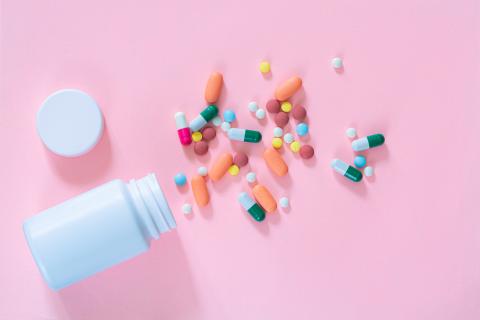
In a recently adopted opinion, the European Economic and Social Committee (EESC) warns that the EU's overreliance on imports of active pharmaceutical ingredients and finished medicines from Asia poses threats to the health and well-being of EU citizens. The EESC therefore proposes a Critical Medicines Act.
The European Union faces a growing challenge in securing its supply of essential pharmaceuticals, with the majority of its active pharmaceutical ingredients (APIs) and finished medicines currently imported from Asia, with China being the single largest supplier. This reliance on external suppliers has raised concerns about the EU's resilience to supply chain disruptions, price volatility and potential geopolitical risks.
We are jeopardising our citizens' health by relying on external suppliers for essential pharmaceuticals. Europe cannot afford to gamble with the lives of its citizens. We must act now to ensure that Europeans have access to the medications they need,
stated Lech Pilawski, EESC rapporteur for the opinion.
To address these concerns, the EESC recommends that the EU take a number of steps to strengthen its domestic pharmaceutical production capacity. These include:
- Establishing a new EU mechanism to support the production of APIs and finished medicines in Europe. The proposed Critical Medicines Act is envisioned as a comprehensive EU mechanism, presented in the form of a regulation, to actively support the production of APIs and finished medicines within the European Union. This mechanism would provide funding for research and development, infrastructure development and operating costs.
- Encouraging the development of innovative production technologies. This could involve investment in research and development, collaboration with academia and industry and the adoption of cutting-edge manufacturing practices.
- Promoting the use of APIs and finished medicines produced in Europe. Public procurement policies, subsidies and other incentives should be implemented to encourage the use of APIs and finished medicines produced in Europe.
- Adopting fair pricing mechanisms for APIs and finished medicines to ensure that patients have access to affordable healthcare. This could involve measures such as price controls, competitive bidding processes and the promotion of generic medicines.
The implementation of these recommendations will require significant investment and cooperation between EU Member States. The EESC is calling on the European Commission to take the lead in coordinating this effort and to develop a comprehensive strategy that can protect Europe's health security, promote economic prosperity and ensure the affordability of medicines for EU citizens.
Work organisation
Recommended for you
„Sinu Euroopa, Sinu arvamus“ 2023: noored soovivad läbipaistvamat, digitaalsemat ja lihtsamat ELi
News
23. ja 24. märtsil korraldas Euroopa Majandus- ja Sotsiaalkomitee 14. korda ürituse „Sinu Euroopa, Sinu arvamus“. Üritus tõi Brüsselisse 105 õpilast 35 koolist kõigist 27…
Algab kandideerimine Euroopa Majandus- ja Sotsiaalkomitee kodanikuühiskonna auhinnale, mille teemaks on vaimne tervis
News
Kodanikuühiskonna organisatsioonid, üksikisikud ja eraettevõtted saavad nüüd esitada oma mittetulunduslikke projekte, et konkureerida Euroopa Majandus- ja Sotsiaalkomitee auhinnale, mis on pühendatud…
Valimised 2024. aasta juunis: Euroopa Majandus- ja Sotsiaalkomitee kutsub eurooplasi üles hääletama ühtse ja demokraatliku Euroopa poolt
News
Uue Euroopa Parlamendi valimistel on palju kaalul, sest demokraatia on nõrgenemas kogu maailmas, desinformatsioon on laialt levinud ja rahulolematus kasvab, kuna inflatsioon kiireneb ja sõjaoht…
TENi sektsiooni esimees Baiba Miltoviča ja Euroopa Regioonide Komitee raportöör Andres Jaadla kirjutavad alla elamumajandust käsitlevale deklaratsioonile
News
14. novembril 2024 allkirjastatud ühisavalduses kutsuvad Euroopa Majandus- ja Sotsiaalkomitee transpordi, energeetika, infrastruktuuri ja infoühiskonna sektsiooni (TEN) esimees Baiba…
EL peab transpordisektori CO2 heite vähendamiseks viivitamatult keskenduma saastevabale vesinikule
News
Eestis toimunud konverentsil rõhutati, et vähese CO2 heitega vesinik on energiasüsteemi eduka ümberkujundamise põhielement, mille potentsiaali arendamiseks on aga vaja taristut ja rahastamist.Ürituse…