
European Economic
and Social Committee
A Critical Medicines Act to secure Europe's pharmaceutical independence
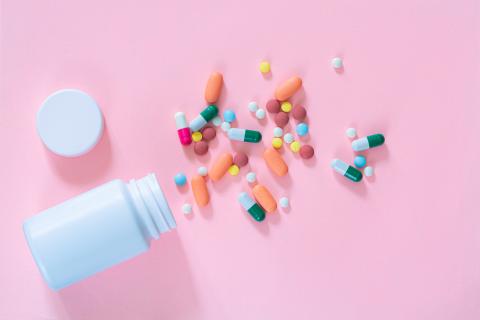
In a recently adopted opinion, the European Economic and Social Committee (EESC) warns that the EU's overreliance on imports of active pharmaceutical ingredients and finished medicines from Asia poses threats to the health and well-being of EU citizens. The EESC therefore proposes a Critical Medicines Act.
The European Union faces a growing challenge in securing its supply of essential pharmaceuticals, with the majority of its active pharmaceutical ingredients (APIs) and finished medicines currently imported from Asia, with China being the single largest supplier. This reliance on external suppliers has raised concerns about the EU's resilience to supply chain disruptions, price volatility and potential geopolitical risks.
We are jeopardising our citizens' health by relying on external suppliers for essential pharmaceuticals. Europe cannot afford to gamble with the lives of its citizens. We must act now to ensure that Europeans have access to the medications they need,
stated Lech Pilawski, EESC rapporteur for the opinion.
To address these concerns, the EESC recommends that the EU take a number of steps to strengthen its domestic pharmaceutical production capacity. These include:
- Establishing a new EU mechanism to support the production of APIs and finished medicines in Europe. The proposed Critical Medicines Act is envisioned as a comprehensive EU mechanism, presented in the form of a regulation, to actively support the production of APIs and finished medicines within the European Union. This mechanism would provide funding for research and development, infrastructure development and operating costs.
- Encouraging the development of innovative production technologies. This could involve investment in research and development, collaboration with academia and industry and the adoption of cutting-edge manufacturing practices.
- Promoting the use of APIs and finished medicines produced in Europe. Public procurement policies, subsidies and other incentives should be implemented to encourage the use of APIs and finished medicines produced in Europe.
- Adopting fair pricing mechanisms for APIs and finished medicines to ensure that patients have access to affordable healthcare. This could involve measures such as price controls, competitive bidding processes and the promotion of generic medicines.
The implementation of these recommendations will require significant investment and cooperation between EU Member States. The EESC is calling on the European Commission to take the lead in coordinating this effort and to develop a comprehensive strategy that can protect Europe's health security, promote economic prosperity and ensure the affordability of medicines for EU citizens.
Work organisation
Recommended for you
Pro odolnost EU má zásadní význam aktivní úloha organizované občanské společnosti
News
Na plenárním zasedání EHSV se diskutovalo o tom, jak roste význam organizované občanské společnosti a měst, neboť ovlivňují schopnost Evropy čelit asymetrickým otřesům a neočekávaným…
Mladí lidé coby hybatelé změn a evropské integrace zemí západního Balkánu
News
V rámci konference občanské společnosti na vysoké úrovni na téma Politika v oblasti mládeže v zemích západního Balkánu, kterou uspořádal Evropský hospodářský a sociální výbor (EHSV),…
České předsednictví chce dát Evropě nové pojetí, novou podobu a nový impuls
News
Jedním z bodů červencového plenárního zasedání Evropského hospodářského a sociálního výboru (EHSV) byla diskuse s českým ministrem zahraničních věcí Janem Lipavským o…
Vaše Evropa, váš názor (YEYS!) 2023: Mladí lidé požadují transparentnější, digitálnější a zjednodušenou EU
News
Evropský hospodářský a sociální výbor (EHSV) uspořádal ve dnech 23. a 24. března 14. ročník akce Vaše Evropa, váš názor (YEYS!). V jejím rámci se v Bruselu sešlo 105 studentů z 35 škol ze všech 27…
Spravedlivý přechod na nízkouhlíkovou společnost není možný bez účasti občanské společnosti
News
Dolní Vítkovice v Ostravě jsou bývalou průmyslovou oblastí, kde se dříve těžilo uhlí a vyráběla ocel. 11. října 2022 se zde na konferenci sešli zástupci akademické obce, místních…