
European Economic
and Social Committee
Phasing out fossil fuel subsidies while ensuring European competitiveness
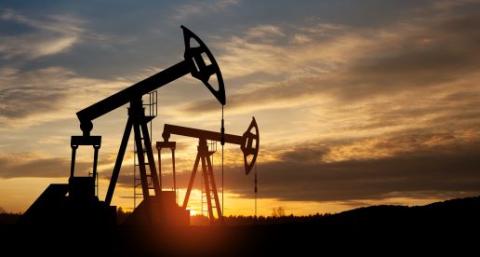
In its own-initiative opinion, the European Economic and Social Committee (EESC) stresses that phasing out fossil fuel subsidies (FFSs) is a necessary step in Europe's green transition. The goal is to reduce the environmental impact of the energy system while maintaining competitiveness and easing the cost-of-living crisis. However, the process must be fair, realistic, and adapted to the specific needs of sectors such as agriculture.
The EESC calls for a gradual, Member State-specific approach, integrated into a broader policy package. The European Commission should provide clear guidance to national governments —within the European Semester framework — on how to implement the phase-out effectively. Additionally, the EESC recommends setting up an inclusive dialogue platform where Member States, social partners, and civil society organisations can exchange best practices.
Safeguarding jobs and rural economies is equally important. To this end, the EESC proposes stronger collective bargaining and social dialogue, along with transition measures to protect employment during the shift away from fossil-based energy.
With regard to agriculture, the EESC highlights that while some sub-sectors, such as irrigation or greenhouse heating, can already rely on renewable energy, the sector as a whole remains heavily dependent on fossil fuels. Large-scale machinery such as tractors, harvesters, and fishing vessels still lack commercially viable and reliable alternatives to diesel-powered equipment. Similarly, irrigation systems and forestry machinery require significant energy inputs that existing renewable technologies cannot yet fully supply.
Without targeted policies acknowledging these limitations, a premature phase-out of FFSs could severely undermine the competitiveness of European farmers. The EESC therefore emphasises the need for a realistic transition strategy that considers the current state of technology and economic feasibility. Farmers must not be left behind during the energy transition.
Moreover, the agricultural and forestry sectors require a distinct approach within the broader decarbonisation strategy. Unlike other industries where electrification and hydrogen are advancing rapidly, agriculture still lacks affordable and scalable alternatives. The shift to cleaner energy also entails costly infrastructure upgrades, which many farmers cannot afford without adequate support. Unless transition timelines and funding tools are tailored to these realities, the result could be declining productivity and rising costs for producers, placing them at a competitive disadvantage.
The EESC underscores that the objective is not to burden farmers but to ensure that the green transition is both environmentally and economically sustainable. A just transition must be inclusive, offering realistic pathways and support mechanisms for all affected sectors. For agriculture, this means accounting for its specific energy needs, operational constraints, and financial capacities.
By integrating these sectoral considerations into EU energy policy, Europe can move toward a cleaner future without sacrificing the viability of its food production systems or the livelihoods of its rural communities. With the right planning and cooperation, the phasing out of fossil fuel subsidies can become an opportunity, not a threat, for European agriculture.

Katalin Elza Süle, EESC Employers' Group Member and Study Group member of Opinion NAT/946 Phasing out fossil fuel subsidies while ensuring European competitiveness, mitigating the cost-of-living crisis, and promoting a just transition
Recommended for you
Η εργαλειοποίηση των μεταναστών και η προσφυγική κρίση της Ουκρανίας επιβάλλουν ένα νέο ξεκίνημα για τη μεταναστευτική πολιτική
News
Η κρατική εργαλειοποίηση των μεταναστών, που αποσκοπεί στην αποσταθεροποίηση της ΕΕ, και ο τρέχων πόλεμος στην Ουκρανία, που οδηγεί σε πρωτόγνωρη εισροή προσφύγων, επιβάλλουν την επανεξέταση της…
YEYS! 2023: Οι νέοι ζητούν μια πιο διαφανή, ψηφιακή και απλοποιημένη ΕΕ
News
Στις 23 και 24 Μαρτίου, η Ευρωπαϊκή Οικονομική και Κοινωνική Επιτροπή (ΕΟΚΕ) φιλοξένησε την 14η διοργάνωση της εκδήλωσης «Η δική σου Ευρώπη, η δική σου φωνή!» (YEYS!), η οποία προσέλκυσε στις…
Η ΕΕ χρειάζεται αποτελεσματικότερη πολυμέρεια για την αντιμετώπιση των κινδύνων που σχετίζονται με την ασφάλεια στη θάλασσα, επισημαίνει η ΕΟΚΕ
News
Η Ευρωπαϊκή Οικονομική και Κοινωνική Επιτροπή (ΕΟΚΕ) ζητεί περισσότερες κοινές δράσεις σχετικά με τη στρατηγική της ΕΕ για την ασφάλεια στη θάλασσα και το σχετικό σχέδιο δράσης, που αποσκοπούν στη…
Η ΕΟΚΕ δρομολογεί τη διαδικασία υποβολής υποψηφιοτήτων για το Βραβείο της Κοινωνίας των Πολιτών, το οποίο θα αφορά την ψυχική υγεία
News
Οι οργανώσεις της κοινωνίας των πολιτών, οι ιδιώτες και οι ιδιωτικές εταιρείες μπορούν τώρα να υποβάλουν τα μη κερδοσκοπικά έργα τους για το βραβείο της ΕΟΚΕ που είναι αφιερωμένο στη στήριξη της…
#ReskillEU — Το εργατικό δυναμικό της Ευρώπης στους τομείς της ενέργειας και των μεταφορών χρειάζεται νέες δεξιότητες για να κάνει πραγματικότητα την απανθρακοποίηση
News
Για να επιτύχει η απανθρακοποίηση των τομέων της ενέργειας και των μεταφορών της ΕΕ, οι εν λόγω τομείς χρειάζονται εργαζομένους εξοπλισμένους με «νέες» δεξιότητες, προειδοποιεί η Ευρωπαϊκή Οικονομική…