
European Economic
and Social Committee
Phasing out fossil fuel subsidies while ensuring European competitiveness
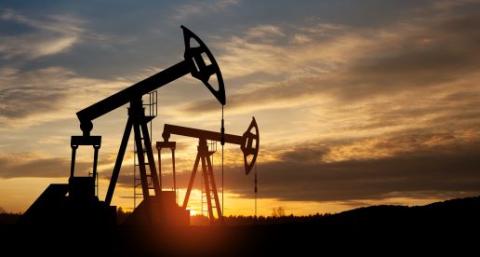
In its own-initiative opinion, the European Economic and Social Committee (EESC) stresses that phasing out fossil fuel subsidies (FFSs) is a necessary step in Europe's green transition. The goal is to reduce the environmental impact of the energy system while maintaining competitiveness and easing the cost-of-living crisis. However, the process must be fair, realistic, and adapted to the specific needs of sectors such as agriculture.
The EESC calls for a gradual, Member State-specific approach, integrated into a broader policy package. The European Commission should provide clear guidance to national governments —within the European Semester framework — on how to implement the phase-out effectively. Additionally, the EESC recommends setting up an inclusive dialogue platform where Member States, social partners, and civil society organisations can exchange best practices.
Safeguarding jobs and rural economies is equally important. To this end, the EESC proposes stronger collective bargaining and social dialogue, along with transition measures to protect employment during the shift away from fossil-based energy.
With regard to agriculture, the EESC highlights that while some sub-sectors, such as irrigation or greenhouse heating, can already rely on renewable energy, the sector as a whole remains heavily dependent on fossil fuels. Large-scale machinery such as tractors, harvesters, and fishing vessels still lack commercially viable and reliable alternatives to diesel-powered equipment. Similarly, irrigation systems and forestry machinery require significant energy inputs that existing renewable technologies cannot yet fully supply.
Without targeted policies acknowledging these limitations, a premature phase-out of FFSs could severely undermine the competitiveness of European farmers. The EESC therefore emphasises the need for a realistic transition strategy that considers the current state of technology and economic feasibility. Farmers must not be left behind during the energy transition.
Moreover, the agricultural and forestry sectors require a distinct approach within the broader decarbonisation strategy. Unlike other industries where electrification and hydrogen are advancing rapidly, agriculture still lacks affordable and scalable alternatives. The shift to cleaner energy also entails costly infrastructure upgrades, which many farmers cannot afford without adequate support. Unless transition timelines and funding tools are tailored to these realities, the result could be declining productivity and rising costs for producers, placing them at a competitive disadvantage.
The EESC underscores that the objective is not to burden farmers but to ensure that the green transition is both environmentally and economically sustainable. A just transition must be inclusive, offering realistic pathways and support mechanisms for all affected sectors. For agriculture, this means accounting for its specific energy needs, operational constraints, and financial capacities.
By integrating these sectoral considerations into EU energy policy, Europe can move toward a cleaner future without sacrificing the viability of its food production systems or the livelihoods of its rural communities. With the right planning and cooperation, the phasing out of fossil fuel subsidies can become an opportunity, not a threat, for European agriculture.

Katalin Elza Süle, EESC Employers' Group Member and Study Group member of Opinion NAT/946 Phasing out fossil fuel subsidies while ensuring European competitiveness, mitigating the cost-of-living crisis, and promoting a just transition
Recommended for you
La creazione condivisa di servizi pubblici nel settore sanitario contribuirà a una democrazia più partecipativa nell'UE
News
L'evento organizzato dal Comitato economico e sociale europeo (CESE) in collaborazione con l'Università di Debrecen ha posto in evidenza l'importanza cruciale della creazione condivisa di servizi di…
Per combattere i cambiamenti climatici, l'UE ha bisogno di maggiori investimenti pubblici nelle infrastrutture energetiche
News
In un parere adottato nella sessione plenaria di settembre, il Comitato economico e sociale europeo (CESE) avverte che, per realizzare gli obiettivi climatici e di transizione energetica, sono…
Energia - Il CESE mette in guardia di fronte al rischio di nuove dipendenze
News
Il Comitato economico e sociale europeo (CESE) assume una posizione ferma in materia di energia in un parere adottato nella sessione plenaria di settembre. La proposta della Commissione, infatti, è…
La transizione digitale deve essere equa: i diritti umani e il controllo umano devono rimanere pilastri fondamentali
News
Il Comitato economico e sociale europeo (CESE) sottolinea le opportunità offerte dalla rivoluzione digitale, ma mette anche in guardia dai rischi: se attuate troppo rapidamente, le soluzioni digitali…
L'UE ha bisogno di un piano d'azione per fornire alloggi dignitosi e a prezzi accessibili
News
Il convegno ad alto livello organizzato a Riga dal Comitato economico e sociale europeo (CESE) ha lanciato l'allarme per la crisi degli alloggi a prezzi accessibili, sottolineando che è il momento…