Cyprus Chamber of Commerce & Industry
38, Grivas Dhigenis Ave. & 3, Deligiorgis Str., 1509
Nicosia
Cyprus
The discussion will examine how the EU’s evolving focus on strategic autonomy and preparedness is reshaping the meaning of competitiveness, positioning it as a prerequisite for resilience, security, and sustainable growth. The guests will explore the central role of SMEs, both as key drivers of employment, innovation, and value creation, and as actors particularly exposed to structural constraints such as regulatory complexity, energy costs, financing gaps, and skills shortages. Particular attention will be given to how preparedness can be embedded into competitiveness policy, enabling SMEs not only to withstand shocks but to adapt, scale, and compete effectively.
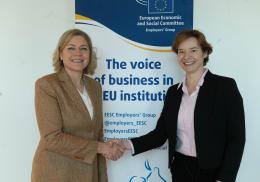
On 26 March 2026, the EESC Employers’ Group hosted the high-level debate “Delivering Europe’s Technological Sovereignty”, with the participation of Executive Vice-President Henna Virkkunen.
Geopolitical tensions, growing fragmentation and rising costs are reshaping international markets and business decisions. Supply chains are no longer optimised for the lowest price, but for reliability and resilience. While the World Trade Organisation (WTO) remains a cornerstone of the global trading system, many decisive developments are increasingly taking place outside its framework, endangering the international rules-based system and stability of our economies.
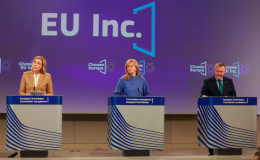
Today, the EU Commission announced the new EU Inc, formerly 28th regime, a unified legal framework aimed to support growth and business. Antonio Garcia del Riego, member of the EESC Employers' Group in charge of the Study on "Establishing the 28th regime in Europe", explains why it matters for EU business.
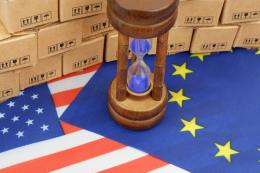
Europe’s economic relationship with the United States is often described as resilient. In reality, it is indispensable and therefore dangerously exposed to policy shocks.
24 February 2026 – Today marks four years since Russia launched its full-scale invasion of Ukraine. Four years of devastation, but also four years of courage, resistance and unbroken resolve from the Ukrainian people.
In today’s environment of geo-economic competition, rising protectionism and multiple security risks, the European Semester must focus on clarity of priorities and on the credibility of country-specific recommendations, especially those that remove barriers to growth. In other words, it should support Member States in shaping a predictable, business-friendly environment that boosts productivity and employment, with a view of a strong European economy capable of sustaining the European social model and safeguarding the Union’s resilience and international influence.
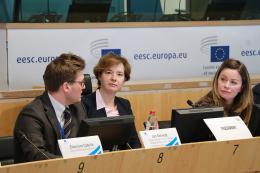
Artificial intelligence (AI) is no longer a vision of the future, it is already reshaping how European businesses operate and compete. Opening the Employers’ Group’s annual exchange with the leaders of Europe’s main business organisations, President Sandra Parthie highlighted the scale and urgency of the challenge: “AI is already transforming enterprises today, from resilient supply chains that withstand global disruptions to personalised services that build customer loyalty. The impact is real and measurable.”