
European Economic
and Social Committee
A new Pact for the Mediterranean
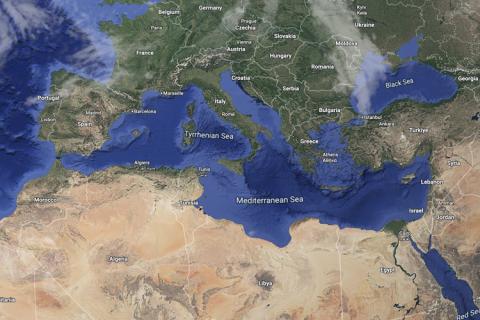
Background
The New Pact for the Mediterranean aims to deepen cooperation between the EU and Southern Mediterranean countries grounded in mutual respect, shared priorities such as energy, climate, trade, migration, education and security. It is designed through a people centered strategic framework, emphasizing inclusive participation and sustainable development.
In the opinion the EESC emphasises the need for all relevant social actors, social partners and CSOs from the EU and the partner countries to be involved in the New Pact on a structured and permanent basis, moving beyond ad hoc consultations towards institutionalised participation at all levels of governance. This should include a permanent steering or advisory body, representation in working groups and project evaluation panels, and guaranteed representation at official events and established follow-up mechanisms. The EESC also calls on the Commission to consider upgrading the existing EESC Euromed Follow-up Committee to an inclusive body with members from the partner countries which will play a role in monitoring and evaluating the Pact.
Key points
In this opinion, the EESC:
- stresses that the Pact should integrate recent ministerial declarations, the Mediterranean Strategy for Sustainable Development 2016–2025, and the Renewed Partnership with the Southern Neighbourhood including its Economic and Investment Plan;
- calls for the Pact to actively promote peace, democracy, good governance, the fight against corruption, the rule of law, inclusive prosperity, civic spaces, and respect for international humanitarian law, as foundations for cooperation in the Mediterranean region;
- recommends that young people from diverse backgrounds must be involved at all policy stages, with robust monitoring and accountability mechanisms to ensure their voices influence the Pact's development;
- proposes that EU programs like Erasmus+ and Interreg should include dedicated civil society funding with simplified applications and long-term financing;
- emphasises that the Pact must incorporate marginalized groups, support social dialogue mechanisms like Economic and Social Councils, and include participatory monitoring and evaluation involving civil society.
Additional Information
EESC section: External Relations (REX)
Opinion number: REX/606-EESC-2025
Opinion type: Exploratory opinion Commission
Rapporteur: Thomas Wagnsonner, (Workers - GR II/ Austria), co-rapporteur: Lidija Pavić-Rogošić, (Civil Society Organisations - GR III/ Croatia)
Date of adoption by the section: 9 July 2025
Date of adoption in plenary: 17-18 September 2025
Result of the vote in plenary: 160 in favour/1 against/2 abstentions
Contact
Millie Tsoumani
Press Officer, Email: amalia.tsoumani@eesc.europa.eu
Andreas Berger
Policy Officer, Email: Andreas.Berger@eesc.europa.eu
Recommended for you
YEYS! 2023: Mládež žiada transparentnejšiu, digitálnejšiu a jednoduchšiu EÚ
News
Európsky hospodársky a sociálny výbor (EHSV) usporiadal 23. a 24. marca 14. ročník podujatia Vaša Európa, váš názor (YEYS), ktoré priviedlo do Bruselu 105…
Slovenská organizácia Integra získava Cenu EHSV pre občiansku spoločnosť za boj proti stereotypom spájaným s duševnými poruchami
News
Európsky hospodársky a sociálny výbor (EHSV) sa tohto roku rozhodol udeliť Cenu pre občiansku spoločnosť projektom na podporu duševného zdravia. Víťazom sa stala írska charitatívna organizácia…
EHSV otvára nový ročník Ceny pre občiansku spoločnosť, ktorej ústrednou témou je duševné zdravie
News
Organizácie občianskej spoločnosti, jednotlivci a súkromné spoločnosti môžu odteraz predkladať svoje neziskové projekty a uchádzať sa o cenu EHSV venovanú podpore duševnej pohody…
Odovzdajte svoj hlas v európskych voľbách v júni 2024: EHSV vyzýva Európanov, aby hlasovali za zjednotenú a demokratickú Európu
News
Vzhľadom na celosvetový trend ústupu demokracie, rýchle šírenie dezinformácií a zvyšujúcu sa nespokojnosť v dôsledku nárastu inflácie a hrozby vojny, pôjde pri hlasovaní o novom…
Dezinformácie a nedostatok záujmu sú hlavnými príčinami vysokej neúčasti voličov vo voľbách do Európskeho parlamentu
News
Európania musia poznať konkrétny vplyv rozhodnutí EÚ na ich životy, čo ich pomôže mobilizovať sa k účasti na voľbách. Rôznym krajinám EÚ je potrebné prispôsobiť rôzne posolstvá. Je potrebné preto…