
European Economic
and Social Committee
A new Pact for the Mediterranean
Background
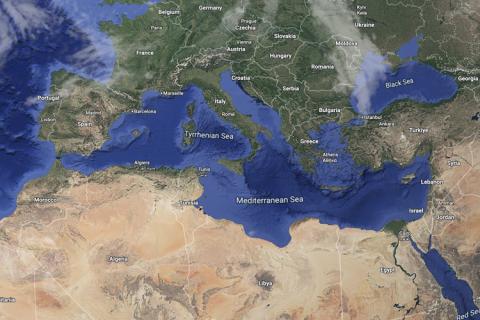
The New Pact for the Mediterranean aims to deepen cooperation between the EU and Southern Mediterranean countries grounded in mutual respect, shared priorities such as energy, climate, trade, migration, education and security. It is designed through a people centered strategic framework, emphasizing inclusive participation and sustainable development.
In the opinion the EESC emphasises the need for all relevant social actors, social partners and CSOs from the EU and the partner countries to be involved in the New Pact on a structured and permanent basis, moving beyond ad hoc consultations towards institutionalised participation at all levels of governance. This should include a permanent steering or advisory body, representation in working groups and project evaluation panels, and guaranteed representation at official events and established follow-up mechanisms. The EESC also calls on the Commission to consider upgrading the existing EESC Euromed Follow-up Committee to an inclusive body with members from the partner countries which will play a role in monitoring and evaluating the Pact.
Key points
In this opinion, the EESC:
- stresses that the Pact should integrate recent ministerial declarations, the Mediterranean Strategy for Sustainable Development 2016–2025, and the Renewed Partnership with the Southern Neighbourhood including its Economic and Investment Plan;
- calls for the Pact to actively promote peace, democracy, good governance, the fight against corruption, the rule of law, inclusive prosperity, civic spaces, and respect for international humanitarian law, as foundations for cooperation in the Mediterranean region;
- recommends that young people from diverse backgrounds must be involved at all policy stages, with robust monitoring and accountability mechanisms to ensure their voices influence the Pact's development;
- proposes that EU programs like Erasmus+ and Interreg should include dedicated civil society funding with simplified applications and long-term financing;
- emphasises that the Pact must incorporate marginalized groups, support social dialogue mechanisms like Economic and Social Councils, and include participatory monitoring and evaluation involving civil society.
Additional Information
EESC section: External Relations (REX)
Opinion number: REX/606-EESC-2025
Opinion type: Exploratory opinion Commission
Rapporteur: Thomas Wagnsonner, (Workers - GR II/ Austria), co-rapporteur: Lidija Pavić-Rogošić, (Civil Society Organisations - GR III/ Croatia)
Date of adoption by the section: 9 July 2025
Date of adoption in plenary: 17-18 September 2025
Result of the vote in plenary: 160 in favour/1 against/2 abstentions
Contact
Millie Tsoumani
Press Officer, Email: amalia.tsoumani@eesc.europa.eu
Andreas Berger
Policy Officer, Email: Andreas.Berger@eesc.europa.eu
Recommended for you
Sabiedrisko pakalpojumu līdzradīšana veselības nozarē būs ieguldījums līdzdalības demokrātijas stiprināšanā Eiropas Savienībā
News
Šajā pasākumā, ko organizēja Eiropas Ekonomikas un sociālo lietu komiteja (EESK) un Debrecenas Universitāte, tika uzsvērts, cik būtiska ir vispārējas nozīmes pakalpojumu līdzradīšana veselības un…
Eiropas Savienībai ir vajadzīgs rīcības plāns, lai nodrošinātu cenas ziņā pieejamus un kvalitatīvus mājokļus
News
Augsta līmeņa konferencē, ko Rīgā rīkoja Eiropas Ekonomikas un sociālo lietu komiteja (EESK), tika paustas bažas par cenas ziņā pieejamu mājokļu krīzi un izskanēja brīdinājumi, ka Eiropas Savienībai…
Migrantu instrumentalizācija un Ukrainas bēgļu krīze liek no jauna pievērsties migrācijas politikai
News
Valsts finansētā migrantu instrumentalizācija, kuras mērķis ir destabilizēt ES, un pašreizējais karš Ukrainā, kas novedis pie vēl nepieredzēta bēgļu pieplūduma, liek pārskatīt Eiropas migrācijas…
“JŪSU EIROPA, JŪSU LĒMUMI” 2023. gadā jaunieši prasa pārredzamāku, digitālāku un vienkāršotāku Eiropas Savienību
News
23. un 24. martā Eiropas Ekonomikas un sociālo lietu komitejā 14. reizi norisinājās pasākums “Jūsu Eiropa, jūsu lēmumi”, kurā piedalījās 105 skolēni no 35 skolām. Jaunieši bija ieradušies no visām…
#EnergyPoverty – enerģētiskā nabadzība sievietes skar vairāk nekā vīriešus
News
Ekonomisku, fizioloģisku, sociālu un kultūras iemeslu dēļ enerģētiskā nabadzība sievietes var skart vairāk nekā vīriešus. Ņemot vērā jaunākos satraucošos statistikas datus, Eiropas Ekonomikas un…