
European Economic
and Social Committee
CURRENT AFFAIRS: Deregulation – a magic word?

The European Commission announces that a solution has finally been found: fewer rules, more competitiveness. We just need to ‘simplify’, relieve companies of reporting obligations, speed up procedures – and Europe’s engine will be up and running again. Sounds appealing. Almost as if ‘deregulation’ were a magic word.
‘Does this mean new guardrails for the single market?’ – ‘No, we’re dismantling the old guardrails.’ In Brussels, this means ‘Omnibus’ and ‘easing the burden’. But magic words can have side effects. If simplification is pushed through without a clean impact assessment, without broad consultation and to the applause of well-organised lobbies, the cutting of red tape will quickly result in less democracy.
I share the concern that a wave of deregulation can weaken Europe, especially when it comes about as a result of external pressure. Europe is not a military superpower. Our strength lies in how we arrange our single market and set standards: for health, the environment, fair competition and fundamental digital rights. Relinquishing this ability makes us more dependent – on supply chains, on platforms and on US tech giants. This dependency is no less dangerous than dependency on supposedly cheap Russian energy or Chinese critical raw materials.
For this very reason, deviating too far from the European Green Deal poses a significant risk to our climate objectives. Treating targets as ‘ballast’ holding us back means losing credibility and the predictability needed for investments. Hastily watering down rules on sustainability, supply chains and transparency does not amount to the neutral cutting of red tape, but rather sends a signal: Europe’s aspirations are up for negotiation.
However, it is true that not every rule is a shield; some are trip wires. Europe has created a network of standards that can lead to double reporting, ambiguity and high transaction costs – especially for SMEs. Competitiveness is created by clarity, stability and speed in permitting, not by frantically backtracking on targets. This saves time, money and nerves – and encourages investment rather than frustration.
The crucial question is therefore not whether or not to regulate. Instead we must ask which rules protect the common good – and which hinder it without measurable benefits. Simplification means preserving objectives and improving pathways; deregulation is about undermining objectives and obscuring responsibility.
Having fewer rules will not make Europe strong. It will become strong by having better rules – and the courage to defend them.
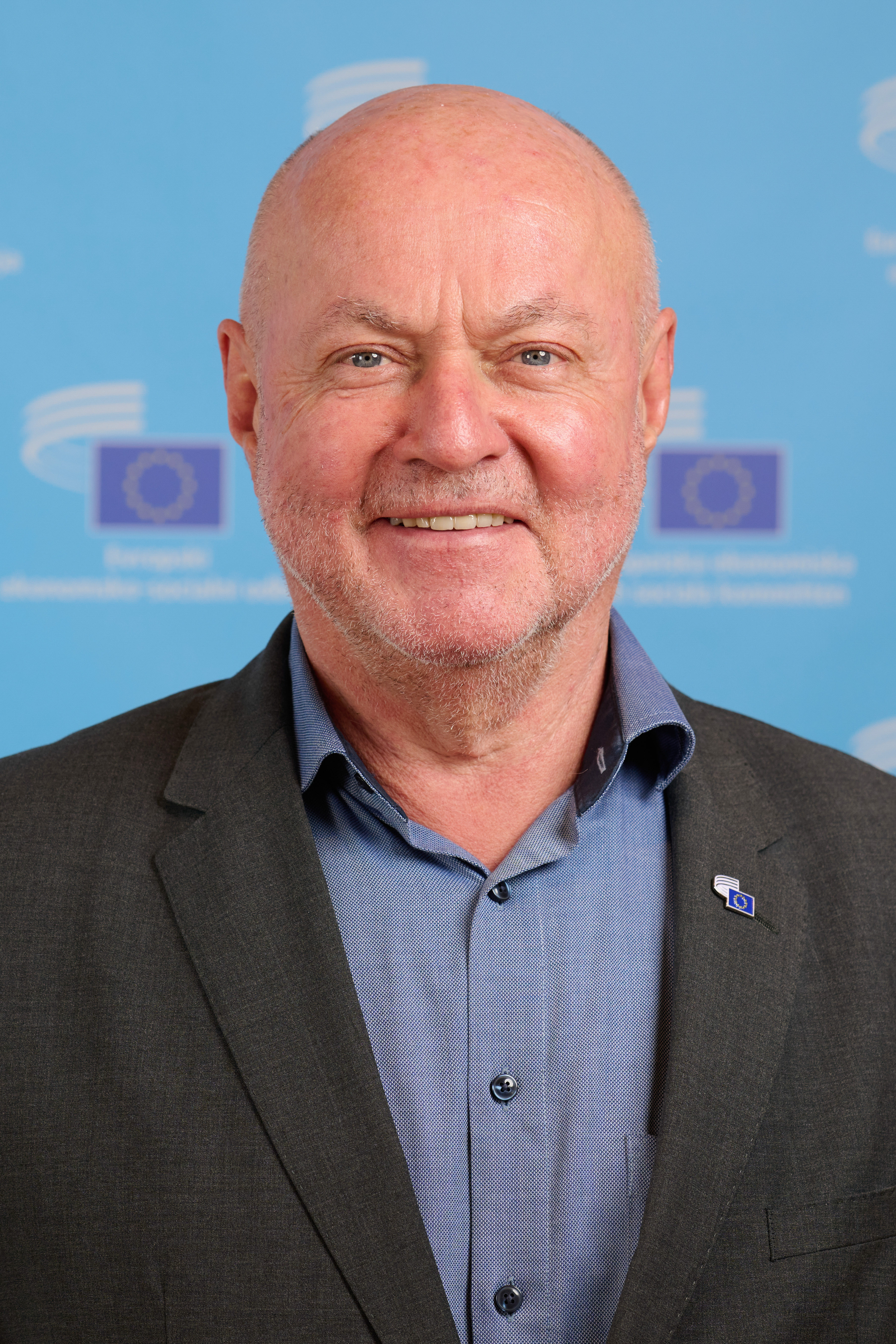
Rudolf KOLBE (Austria)
Vice-President, EESC Civil Society Organisations' Group
Member of the Executive Board, Austrian Federal Conference of the Liberal Professions (BUKO)
Member of the Executive Board, Austrian Federal Chamber of Architects and Chartered Engineering Consultants
© EU/EESC