
European Economic
and Social Committee
EU-Africa: EESC proposes an equal partnership based on human rights and the development of democratic structures
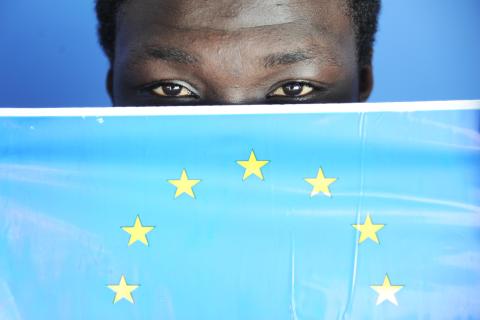
Relations between the EU and Africa are expected to be reshaped, as envisaged in a new strategy presented in March 2020 by the president of the European Commission, Ursula von der Leyen. In advance of the eagerly awaited EU-Africa Summit, the European Economic and Social Committee (EESC) has gone a step further by proposing a sustainable EU-Africa partnership based on universal human rights, democratic structures, long-term investments in infrastructure and the full inclusion of organised civil society.
The European Union is Africa's largest trade and investment partner, and to date some 52 African countries have signed trade agreements of various kinds with the EU. Moreover, many of the world's fastest growing economies are in Africa and, by 2035, it will have the largest potential workforce.
Taking this into account, in March 2020, the European Commission presented a comprehensive strategy with Africa which proposes partnerships related to the green transition, the digital transformation, sustainable growth and jobs, peace and governance.
In its opinion on EU-Africa relations, the EESC goes beyond this by saying that the objective must be to build a more balanced and equal relationship between the EU and African countries in order to achieve the Sustainable Development Goals (SDGs). According to the adopted text, "respect for Universal Human Rights (UHRs), which are essential common values, must be the foundation for any political engagement within an equal development partnership with Africa".
The outgoing president of the EESC, Luca Jahier, pointed out that Africa has been one of the main priorities of his term of office and highlighted that the ongoing project of building an African Continental Free Trade Area would create synergies with the EU internal market. Mr Jahier mentioned migration and the necessary involvement of African civil society in the upcoming EU-ACP partnership and concluded by saying that Africa did not lose its centrality in the EESC's agenda despite the COVID-19 pandemic.
The opinion adopted by the EESC was presented by three rapporteurs, one from each group:
Dimitris Dimitriadis, from the Employers' Group insisted that the EU needs to invest in Africa and share its know-how and expertise, while respecting African traditions and beliefs
.
Thomas Wagnsonner, rapporteur from the Workers' Group, outlined the need to involve African civil society and young people and stressed that supporting African countries is in the interests of the EU, an example being the need to tackle migration issues linked to extreme poverty: We have the opportunity to contribute to Africa's development but also to create win-win situations
.
Dilyana Slavova, from the Diversity Europe Group, stressed the need to concentrate efforts on the role of women and young people and pointed out that the adopted opinion shows a continuity in the past five years of EESC work on relations with African partners: Africa is and will be our priority; we have established very strong relations there and will keep working in the same direction
.
One of the key points in EESC's opinion is the need to promote a decent life and good prospects in Africa, creating a middle class and strengthening its social-liberal democratic structures. This means, for example, the respect of fundamental labour rights in accordance with the International Labour Organization standards, freedom to conduct a business and the right to a healthy environment.
This new relationship proposed between the EU and Africa cannot be built on the outdated approach of industrial policy and growth, which is harmful for the planet and has very negative social consequences. The focus, says the EESC, must be put on a fair distribution of wealth and the creation of welfare state structures. "Especially in Africa, people not only need to be lifted out of extreme poverty, but should also be able to actively participate in society [regarding issues such as] housing, food, health, education", says the adopted opinion.
In addition, the EU should propose its own alternative to investment initiatives such as the Forum on China-Africa Cooperation (FOCAC) and the Belt and Road Initiative, the US's Africa Partnership Station and the 2019 Russia-Africa Summit, with a binding trade policy, backed up by sanctions, as well as an investment partnership that heavily involves organised civil society in monitoring, checking and evaluation systems.
In practical terms, the EESC points out that the EU development partnership must more strongly support the creation of local public education systems at all levels, with a broadening of the Erasmus+ programme. The ultimate goal would be to avoid a "brain drain" from Africa to the EU and to reverse migration.
A strengthened partnership with Africa will bring many advantages and opportunities for the EU, but it will also require efforts, as poverty rates remain high. According to the opinion, EUR 600 billion is needed to achieve the SDGs in Africa, so the EESC acknowledges the "massive need" for private investment.
Investments in infrastructure are also key to fostering regional value chains and sustainable local economies. This would contribute to the achievement of the SDGs and also strengthen the EU's geostrategic role in Africa at a time when other global players such as China and Russia are increasingly investing and gaining political influence in the continent.
In terms of trade, the EESC welcomes the African Continental Free Trade Area (AfCFTA) project as it "strengthens trade within the continent, lessens dependencies and moves away from a solely overseas-exports-driven approach". More importantly, the AfCFTA would foster a free trade area between the EU and the African Union under a single agreement.
Finally, the EESC also refers to the challenges of the COVID-19 crisis, which, according to the opinion, will hit Africa hard as many of its health systems are currently overwhelmed. "We will have to provide even more support to the African states so that they can implement strong health care systems that are ready for challenges like COVID-19", says the EESC.
Work organisation
Recommended for you
Η εργαλειοποίηση των μεταναστών και η προσφυγική κρίση της Ουκρανίας επιβάλλουν ένα νέο ξεκίνημα για τη μεταναστευτική πολιτική
News
Η κρατική εργαλειοποίηση των μεταναστών, που αποσκοπεί στην αποσταθεροποίηση της ΕΕ, και ο τρέχων πόλεμος στην Ουκρανία, που οδηγεί σε πρωτόγνωρη εισροή προσφύγων, επιβάλλουν την επανεξέταση της…
YEYS! 2023: Οι νέοι ζητούν μια πιο διαφανή, ψηφιακή και απλοποιημένη ΕΕ
News
Στις 23 και 24 Μαρτίου, η Ευρωπαϊκή Οικονομική και Κοινωνική Επιτροπή (ΕΟΚΕ) φιλοξένησε την 14η διοργάνωση της εκδήλωσης «Η δική σου Ευρώπη, η δική σου φωνή!» (YEYS!), η οποία προσέλκυσε στις…
Η ΕΕ χρειάζεται αποτελεσματικότερη πολυμέρεια για την αντιμετώπιση των κινδύνων που σχετίζονται με την ασφάλεια στη θάλασσα, επισημαίνει η ΕΟΚΕ
News
Η Ευρωπαϊκή Οικονομική και Κοινωνική Επιτροπή (ΕΟΚΕ) ζητεί περισσότερες κοινές δράσεις σχετικά με τη στρατηγική της ΕΕ για την ασφάλεια στη θάλασσα και το σχετικό σχέδιο δράσης, που αποσκοπούν στη…
Η ΕΟΚΕ δρομολογεί τη διαδικασία υποβολής υποψηφιοτήτων για το Βραβείο της Κοινωνίας των Πολιτών, το οποίο θα αφορά την ψυχική υγεία
News
Οι οργανώσεις της κοινωνίας των πολιτών, οι ιδιώτες και οι ιδιωτικές εταιρείες μπορούν τώρα να υποβάλουν τα μη κερδοσκοπικά έργα τους για το βραβείο της ΕΟΚΕ που είναι αφιερωμένο στη στήριξη της…
#ReskillEU — Το εργατικό δυναμικό της Ευρώπης στους τομείς της ενέργειας και των μεταφορών χρειάζεται νέες δεξιότητες για να κάνει πραγματικότητα την απανθρακοποίηση
News
Για να επιτύχει η απανθρακοποίηση των τομέων της ενέργειας και των μεταφορών της ΕΕ, οι εν λόγω τομείς χρειάζονται εργαζομένους εξοπλισμένους με «νέες» δεξιότητες, προειδοποιεί η Ευρωπαϊκή Οικονομική…