
European Economic
and Social Committee
The EU’s 2040 climate target sets the course to net zero by 2050
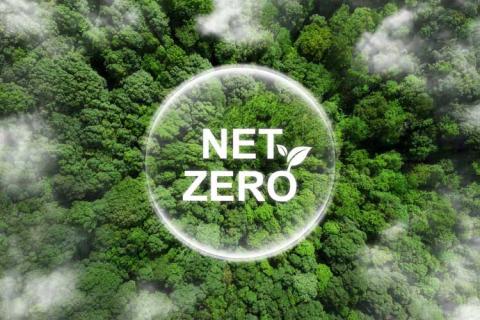
In a bid to lead in climate action, the European Commission has recommended a target to reduce net greenhouse gas emissions by 90% by 2040. The European Economic and Social Committee (EESC) supported this move during its May plenary by adopting an opinion on EU climate target for 2040. The opinion outlines steps to achieve climate neutrality by 2050, aligning with scientific consensus to limit global warming to 1.5 degrees Celsius.
The EESC’s endorsement of the 2040 target underscores its alignment with Europe’s fair share of the global effort to combat climate change. At the same time, the Committee highlights the necessity of implementing enabling policies to ensure that European industries remain competitive while transitioning to a low-carbon economy.
The EESC is the first EU body to have a stance on the 2040 climate target for the European Union. We support a 90% emissions reduction target by 2040, aligning with the scientific recommendation. This target serves as a midpoint on the way to climate neutrality by 2050 and shapes the next phase of EU climate policy. Achieving it requires ensuring the competitiveness of European industries and delivering a just transition, and utilising all zero and low-carbon technologies. To phase out fossil fuels, we need a carbon-free electricity system by 2040 to power the decarbonisation of industry, transport and buildings,
the rapporteur of the opinion Teppo Säkkinen said.
The EESC emphasises the need for genuine emissions reductions, primarily by phasing out fossil fuels. While carbon removals, both land-based and industrial, are crucial, the EESC cautions against over-reliance due to aggravating risks like forest fires and pests, which can undermine carbon sinks. The Committee calls for a scientific and economic assessment to balance emissions reductions with carbon removals.
The next phase of EU climate policy must focus on investment. The EESC believes the 2040 target should be paired with building a robust economy, enhancing energy security and creating high-quality jobs. Achieving the 2040 target will require significant investment in decarbonisation, supported by a stable regulatory framework, innovation, faster permitting, finance access and a skilled workforce. The foundation is reaching the 2030 target of 55% emissions reduction, requiring focus on implementation of the newly adopted Fit for 55 legislation and supporting businesses and households in adapting to the new regulatory environment.
The EESC envisions a carbon-free power generation sector by 2040, followed by heating and cooling. Clean and affordable energy is essential for decarbonising sectors such as industry, buildings and transport. The committee also proposes an emissions reduction target for the agri-food sector, developed through dialogue with farmers and stakeholders and ensuring food security while considering diverse natural conditions across the EU.
Public support and stakeholder engagement are crucial for the 2040 target’s success. The EESC highlights the importance of broad dialogue, including social partners, civil society and citizens, in setting the target and developing policies. This engagement should extend to national climate policies and to empowering consumers to adopt sustainable lifestyles.
As the EU prepares its legislative proposal for the 2040 target, the EESC calls for a comprehensive competitiveness check against other major economies. This involves assessing their climate, energy and industrial policies and economic indicators to strengthen Europe’s global competitiveness and industrial base while maintaining high environmental and social standards.. (ks)
Work organisation
Recommended for you
Η εργαλειοποίηση των μεταναστών και η προσφυγική κρίση της Ουκρανίας επιβάλλουν ένα νέο ξεκίνημα για τη μεταναστευτική πολιτική
News
Η κρατική εργαλειοποίηση των μεταναστών, που αποσκοπεί στην αποσταθεροποίηση της ΕΕ, και ο τρέχων πόλεμος στην Ουκρανία, που οδηγεί σε πρωτόγνωρη εισροή προσφύγων, επιβάλλουν την επανεξέταση της…
YEYS! 2023: Οι νέοι ζητούν μια πιο διαφανή, ψηφιακή και απλοποιημένη ΕΕ
News
Στις 23 και 24 Μαρτίου, η Ευρωπαϊκή Οικονομική και Κοινωνική Επιτροπή (ΕΟΚΕ) φιλοξένησε την 14η διοργάνωση της εκδήλωσης «Η δική σου Ευρώπη, η δική σου φωνή!» (YEYS!), η οποία προσέλκυσε στις…
Η ΕΕ χρειάζεται αποτελεσματικότερη πολυμέρεια για την αντιμετώπιση των κινδύνων που σχετίζονται με την ασφάλεια στη θάλασσα, επισημαίνει η ΕΟΚΕ
News
Η Ευρωπαϊκή Οικονομική και Κοινωνική Επιτροπή (ΕΟΚΕ) ζητεί περισσότερες κοινές δράσεις σχετικά με τη στρατηγική της ΕΕ για την ασφάλεια στη θάλασσα και το σχετικό σχέδιο δράσης, που αποσκοπούν στη…
Η ΕΟΚΕ δρομολογεί τη διαδικασία υποβολής υποψηφιοτήτων για το Βραβείο της Κοινωνίας των Πολιτών, το οποίο θα αφορά την ψυχική υγεία
News
Οι οργανώσεις της κοινωνίας των πολιτών, οι ιδιώτες και οι ιδιωτικές εταιρείες μπορούν τώρα να υποβάλουν τα μη κερδοσκοπικά έργα τους για το βραβείο της ΕΟΚΕ που είναι αφιερωμένο στη στήριξη της…
#ReskillEU — Το εργατικό δυναμικό της Ευρώπης στους τομείς της ενέργειας και των μεταφορών χρειάζεται νέες δεξιότητες για να κάνει πραγματικότητα την απανθρακοποίηση
News
Για να επιτύχει η απανθρακοποίηση των τομέων της ενέργειας και των μεταφορών της ΕΕ, οι εν λόγω τομείς χρειάζονται εργαζομένους εξοπλισμένους με «νέες» δεξιότητες, προειδοποιεί η Ευρωπαϊκή Οικονομική…