Social dialogue is an important tool for ensuring health and safety at work. However, in the face of changes brought to the world of work by the digital and green transition and the health crisis, social dialogue will have to be strengthened across Europe. It should be complemented by more robust rules on musculoskeletal disorders and psychosocial risks leading to major work-related illnesses such as heart conditions, stroke, cancer and depression
The pandemic has made it even more urgent to address the new challenges for health and safety at work. Enhanced social dialogue is required to guarantee better standards in teleworking and, more generally, in the digital environment
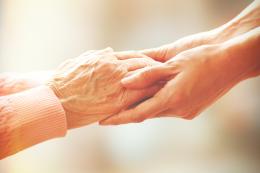
The excessive mortality rates during this pandemic crisis have revealed structural and systemic problems in the nursing home care model. In addition, the rise in life expectancy and the consequent increase in the number of older persons in the years to come, point out the need to reform the care model. How to guarantee improved accessibility, affordability and quality of care, as well as an adequate number of care workers with improved working conditions, are among the key challenges identified during the EESC hearing "Towards a new care model for the elderly: learning from the Covid-19 pandemic".
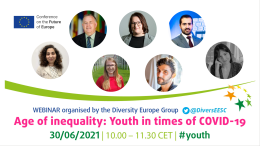
On 30 June, the Diversity Europe Group held a webinar under the banner of the Conference on the Future of Europe on the impact of the COVID-19 crisis on the mental health and employability of young people.
With recent surveys showing that 66% of Europeans would like the EU to have more say over health-related matters, and more than a half in favour of public health becoming the EU's top priority in terms of expenditure, the EU should start playing a more active role in protecting the health of its citizens. The EESC thinks that the Commission's recent package on an EU Health Union is a step in the right direction.
Hailed as ambitious and holistic, Europe's new plan for beating cancer has met with applause from cancer organisations and civil society. Now, as the pandemic is taking a heavy toll on cancer detection and care, the plan needs to be urgently and properly implemented. So much is at stake – without decisive action, Europe may face a cancer tsunami, with the disease projected to become the leading cause of mortality in just under 15 years.
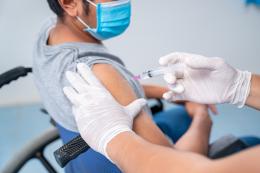
Faced with many barriers and less able to maintain social and physical distance, persons with disabilities are at greater risk of contracting COVID-19 and falling severely ill as a result of the disease. However, in the EU they have not been explicitly included in priority groups for vaccination
COVID-19 has blatantly exposed all the cracks and fissures in the European health systems and shown the EU to be unprepared for dealing with major health emergencies. But the first building blocks of the future European Health Union, recently proposed by the Commission, look promising and may give the EU the right weapons to fight pandemics in the future
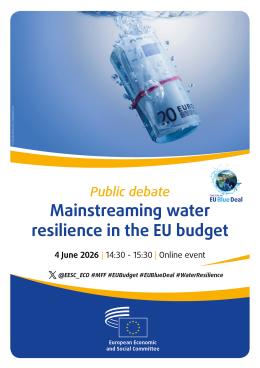
Mainstreaming Water Resilience in the EU Budget is a timely discussion on securing Europe’s water future. Discover how smarter EU investments can strengthen water resilience, sustainability, and preparedness, and how we should shape tomorrow’s funding priorities across programmes in the context of the EU´s next Multiannual Financial Framework.
Joint Conference of the Minister for Civil Society of the Republic of Poland and the EESC Civil Society Organisations' Group
Event type
Conference
Location
Chancellery of the Prime Minister
Warsaw
Poland
The conference was held on 15 May 2025 at the Chancellery of the Prime Minister in Warsaw, Al. Ujazdowskie 1/3, as part of the Polish Presidency of the Council of the EU.