
European Economic
and Social Committee
EESC issues an early alert : implications of EU enlargement for agriculture
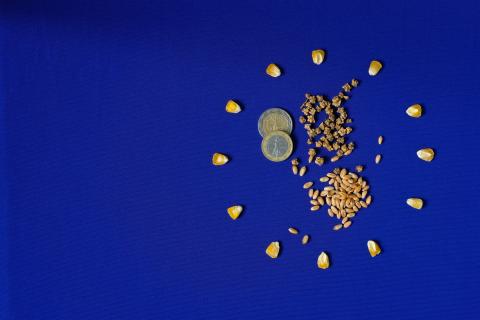
The European Union’s upcoming enlargement is poised to be a transformative event. It faces pressing global challenges, such as a new geopolitical environment, climate change and the just transitions in energy and environmental policies. The European Economic and Social Committee (EESC) calls for meticulous preparation on both sides and for adherence to EU values as new members join.
At its July plenary session, the EESC adopted an opinion highlighting the complexities and strategic considerations surrounding the EU’s forthcoming enlargement, emphasising preparedness, sustainability, and balanced support for agricultural and rural sectors across both current and candidate Member States.
In addition to geopolitical considerations, this enlargement presents opportunities to better secure the EU’s strategic autonomy and further reduce the environmental footprint of the agricultural sector. However, past enlargements of the EU have produced mixed outcomes in this sector. While new Member States have significantly contributed to the EU's agricultural diversity and production value, weaker rural areas and smaller farms have not reaped equal benefits. The EESC calls for a balanced approach in order to adequately support family farms and small and medium-sized enterprises (SMEs) within the agri-food sector.
Stoyan Tchoukanov, rapporteur for the opinion, said: ‘We have to properly manage both sides of the process, because we have a completely different structure when it comes to agriculture. When we speak about the agri-food sector, we speak about a system, and if we disturb a component of it, it is going to disturb the whole system. That is why, although the previous enlargement was a success story, it was obviously less so for rural areas and small-scale farmers.’
To counter misinformation and ensure a smooth enlargement, the EESC calls for the collection of comprehensive data and the monitoring of agricultural production and reform processes. This approach is essential to address concerns and ensure that legislative changes and the necessary reforms are implemented effectively.
The Common Agricultural Policy (CAP) is evolving to align with global changes, emphasising eco-systemic services over traditional input-based support. Candidate countries will need to adapt to these evolving CAP objectives and values, and prior agreement on the necessary reforms and financial frameworks will be needed at EU level before the enlargement takes place.
The enlargement will expand the EU’s agricultural area by one third, while Ukraine’s accession alone would increase it by one quarter, enhancing strategic autonomy, and will offer trade opportunities to the 60 million people of the current candidate countries, not only with respect to technologies and know-how, but also when it comes to agriculture. However, this must be balanced with continued support for EU farmers, budgetary constraints, and the repercussions of the Ukraine conflict. The CAP budget will need to increase to support these goals, with new financial instruments tailored to specific needs.
Recognising the varied preparedness levels among candidate countries, the EESC recommends an approach based on gradual integration, to prevent adverse effects from competition. Dedicated budgets should support the most impacted agri-food subsectors, particularly SMEs, ensuring fair and targeted assistance.
With a view to future enlargement, future CAP reforms should enhance targeted support for sustainability, gradually replacing current hectare-based subsidies with incentives based on environmental and societal benefits. This involves degressive payments, mandatory capping, and increased support for the first hectares across Member States, ensuring equitable and sustainable agricultural practices.
Enlargement will likely benefit EU exporters of industrial goods and services, but could challenge the agri-food sector due to the lower production costs in new Member States. An adequate budget must be allocated to compensate for potential negative impacts on EU farmers, considering past experiences with Russian counter sanctions.
The EESC further advocates for market regulation to address the financialisation of the food sector, which poses risks to sustainability and the European farming model. Agricultural and rural development policies should promote a proximity economy, extending these principles to new candidate countries.
Rushed accession poses significant risks for unprepared farmers and rural areas in candidate countries. Monitoring and implementing land reforms before accession is crucial to prevent negative outcomes. As EU markets open up to agricultural products from these countries, clear adherence to rules is essential to safeguard existing EU Member States.
With growing geopolitical tensions, ensuring a secure food supply in the EU is paramount. All EU regions must have the capacity to sustain agricultural production, securing the future of the EU’s agricultural sector amid ongoing global challenges.(ks)
Work organisation
Recommended for you
Energi – EESK varnar för nya beroendeförhållanden
News
Europeiska ekonomiska och sociala kommittén (EESK) intar en fast hållning i energifrågan i ett yttrande som antogs vid dess plenarsession i september: kommissionens förslag är ett steg i rätt…
Svenska rådsordförandeskapet 2023: Ukraina står fortfarande högst upp på dagordningen
News
Vid Europeiska ekonomiska och sociala kommitténs (EESK) plenarsession i januari hölls en debatt under vilken Sveriges EU-minister Jessika Roswall redogjorde för prioriteringarna för det nya…
Ditt Europa, din mening! 2023: Ungdomar efterlyser ett mer transparent, digitalt och förenklat EU
News
Den 23–24 mars stod Europeiska ekonomiska och sociala kommittén (EESK) för 14:e gången värd för ”Ditt Europa, din mening!” (YEYS!) i Bryssel, med 105 elever från 35 skolor från alla 27 EU-länder och…
EESK diskuterar agendan för det svenska EU-ordförandeskapet 2023
News
Vid sammanträdet i Europeiska ekonomiska och sociala kommittén (EESK) i Stockholm redogjorde Sveriges statssekreterare med ansvar för EU-frågor, Christian Danielsson, för den politiska inriktningen…
EU–Ukraina: driftskompatibilitet och solidaritet – nyckelfaktorer för transportförbindelserna
News
Vid en debatt som Europeiska ekonomiska och sociala kommittén (EESK) höll i Bryssel framhöll deltagarna vikten av infrastruktur och harmoniserade standarder för att sammanlänka EU med dess…