
European Economic
and Social Committee
Deploying carbon removal technologies in industry is key to achieving the Green Deal goals, says EESC
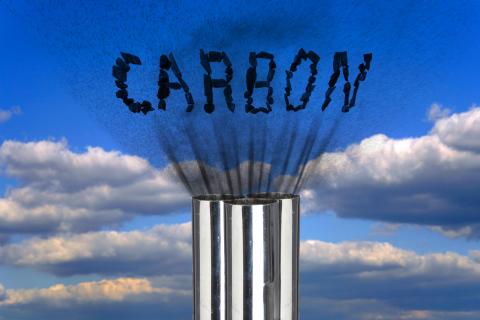
At its September plenary, the European Economic and Social Committee (EESC) reiterates its strong support for the Green Deal commitments, even though the economic effects on the ongoing war in Ukraine cannot be disregarded. The EESC adopted an own-initiative opinion on the EU industry decarbonisation technologies. The EESC reiterates the need to maintain a solid industrial basis in the EU.
The adoption of the European Union Climate law has set an ambitious emission reduction target for 2030 while confirming the climate neutrality objective for 2050. Meeting this goal requires the deployment of carbon dioxide removal (CDR) technologies. The less rapid and stringent the greenhouse gas emissions reductions are, the stronger the dependence on CDR for meeting the targets of the Paris Agreement.
Decarbonisation will require a deep transformation of industrial activities within a timeframe of 30 years'', said the rapporteur of the opinion Andrés Barceló Delgado. ''Although some low-carbon technologies already exist, their progress is still slow. We will need ambitious technology roadmaps to upscale and widely deploy these breakthrough technologies, and the EU must promote innovation through the Climate and Innovation Funds, he added.
Depending on when CDR is deployed, it can serve two different purposes: i) either accelerate the achievement of net-zero emissions by compensating for those from harder-to-abate sectors and thus increase the likelihood of staying within the temperature thresholds; or ii) bring global warming below the thresholds following a temperature peak above them (an overshoot).
Development of technologies and education and reskilling of the workforce is therefore vital for the green transition in the manufacturing industry. Social dialogue at European, Member State and regional level should support awareness, acceptance and support for a green and just transition in the industry. Capacity-building and projects to establish key skills will be essential in order to ensure an effective industrial transition that leaves no one behind , said the co-rapporteur of the opinion Monika Sitárová.
Among CDR practices, it is worth distinguishing nature-based solutions including forestation, soil
management, biochar and wetland restoration, and CDR technologies such as enhanced weathering, bioenergy with carbon capture and storage and direct air capture with carbon capture and storage (CCS).
The Fit for 55 legislative package indirectly promotes certain CDR technologies without proposing an integrated strategy, whereas CDR technologies at industrial scale will be crucial to meeting the 2050 climate neutrality objective. Moreover, these technologies pose a series of challenges, in terms of the adverse effects and the public's willingness to accept them.. Last but not least, the industrial CDR technologies can create lead value chains in Europe if the EU is among the first movers in developing these complementary solutions.
The EESC calls for the competitiveness of European industry to be preserved: the EU is a pioneer in cutting CO₂ emissions, but it needs other players to follow its climate ambition. As the climate crisis is global, European Union diplomacy must step up its efforts to effectively persuade third countries to scale up their efforts to fight it. Regardless of the ambitious EU policy objectives, the EU will increasingly become a pioneer for the decarbonisation of industries thanks to its political support and to companies' and their workers' practical knowledge of industrial capacities, the necessary technologies and ways to anticipate change, enabling practical measures to be taken accordingly. (ks)
Recommended for you
Η εργαλειοποίηση των μεταναστών και η προσφυγική κρίση της Ουκρανίας επιβάλλουν ένα νέο ξεκίνημα για τη μεταναστευτική πολιτική
News
Η κρατική εργαλειοποίηση των μεταναστών, που αποσκοπεί στην αποσταθεροποίηση της ΕΕ, και ο τρέχων πόλεμος στην Ουκρανία, που οδηγεί σε πρωτόγνωρη εισροή προσφύγων, επιβάλλουν την επανεξέταση της…
YEYS! 2023: Οι νέοι ζητούν μια πιο διαφανή, ψηφιακή και απλοποιημένη ΕΕ
News
Στις 23 και 24 Μαρτίου, η Ευρωπαϊκή Οικονομική και Κοινωνική Επιτροπή (ΕΟΚΕ) φιλοξένησε την 14η διοργάνωση της εκδήλωσης «Η δική σου Ευρώπη, η δική σου φωνή!» (YEYS!), η οποία προσέλκυσε στις…
Η ΕΕ χρειάζεται αποτελεσματικότερη πολυμέρεια για την αντιμετώπιση των κινδύνων που σχετίζονται με την ασφάλεια στη θάλασσα, επισημαίνει η ΕΟΚΕ
News
Η Ευρωπαϊκή Οικονομική και Κοινωνική Επιτροπή (ΕΟΚΕ) ζητεί περισσότερες κοινές δράσεις σχετικά με τη στρατηγική της ΕΕ για την ασφάλεια στη θάλασσα και το σχετικό σχέδιο δράσης, που αποσκοπούν στη…
Η ΕΟΚΕ δρομολογεί τη διαδικασία υποβολής υποψηφιοτήτων για το Βραβείο της Κοινωνίας των Πολιτών, το οποίο θα αφορά την ψυχική υγεία
News
Οι οργανώσεις της κοινωνίας των πολιτών, οι ιδιώτες και οι ιδιωτικές εταιρείες μπορούν τώρα να υποβάλουν τα μη κερδοσκοπικά έργα τους για το βραβείο της ΕΟΚΕ που είναι αφιερωμένο στη στήριξη της…
#ReskillEU — Το εργατικό δυναμικό της Ευρώπης στους τομείς της ενέργειας και των μεταφορών χρειάζεται νέες δεξιότητες για να κάνει πραγματικότητα την απανθρακοποίηση
News
Για να επιτύχει η απανθρακοποίηση των τομέων της ενέργειας και των μεταφορών της ΕΕ, οι εν λόγω τομείς χρειάζονται εργαζομένους εξοπλισμένους με «νέες» δεξιότητες, προειδοποιεί η Ευρωπαϊκή Οικονομική…