
European Economic
and Social Committee
Organised civil society calls for stronger EU action on living and working conditions at Warsaw meeting

President Oliver Röpke participated in the annual meeting of the Presidents and Secretaries General of the Economic and Social Councils of the EU and the European Economic and Social Committee, held in Warsaw on 25 and 26 June 2025. Organised under the Polish Presidency of the Council of the EU, the event brought together ESCs from thirteen Member States and focused on the role of organised civil society in addressing urgent challenges around housing and working conditions.
In his opening speech, President Röpke underlined the importance of inclusive policy shaping. "Dialogue is not a luxury. It is a necessity. Organised civil society is not on the sidelines. It is at the heart of shaping fairer and more inclusive conditions for all Europeans."
Focus on housing and employment
The meeting addressed three interconnected areas: economic governance, housing, and employment. There was strong consensus on the need for more investment in affordable and sustainable housing, especially for youth, older people and low-income families. Participants also stressed the importance of national and EU strategies to combat homelessness and called for fiscal reform to make social investment more viable.
On employment, the councils highlighted rising labour shortages, job insecurity and the need for more support for mental health and work-life balance. They called for greater investment in training, better alignment of education systems with labour market needs, and stronger collective bargaining frameworks.
Interview with Newseria
Following the opening session, the President gave an interview to Edyta Piotrowska of Newseria, where he expressed appreciation for the platform the meeting provided, noting that organised civil society is ready to contribute to concrete solutions. He stressed that better housing and fair working conditions are not luxuries but foundations of social cohesion and called for stronger EU action to make them a reality across the Union.
Shared conclusions and next steps
The meeting concluded with the endorsement of joint conclusions by the EESC and national councils. These will be sent to the EU institutions in the coming weeks. The document calls for increased cooperation between Member States and EU bodies, improved housing policies, and stronger action on working conditions through social dialogue.
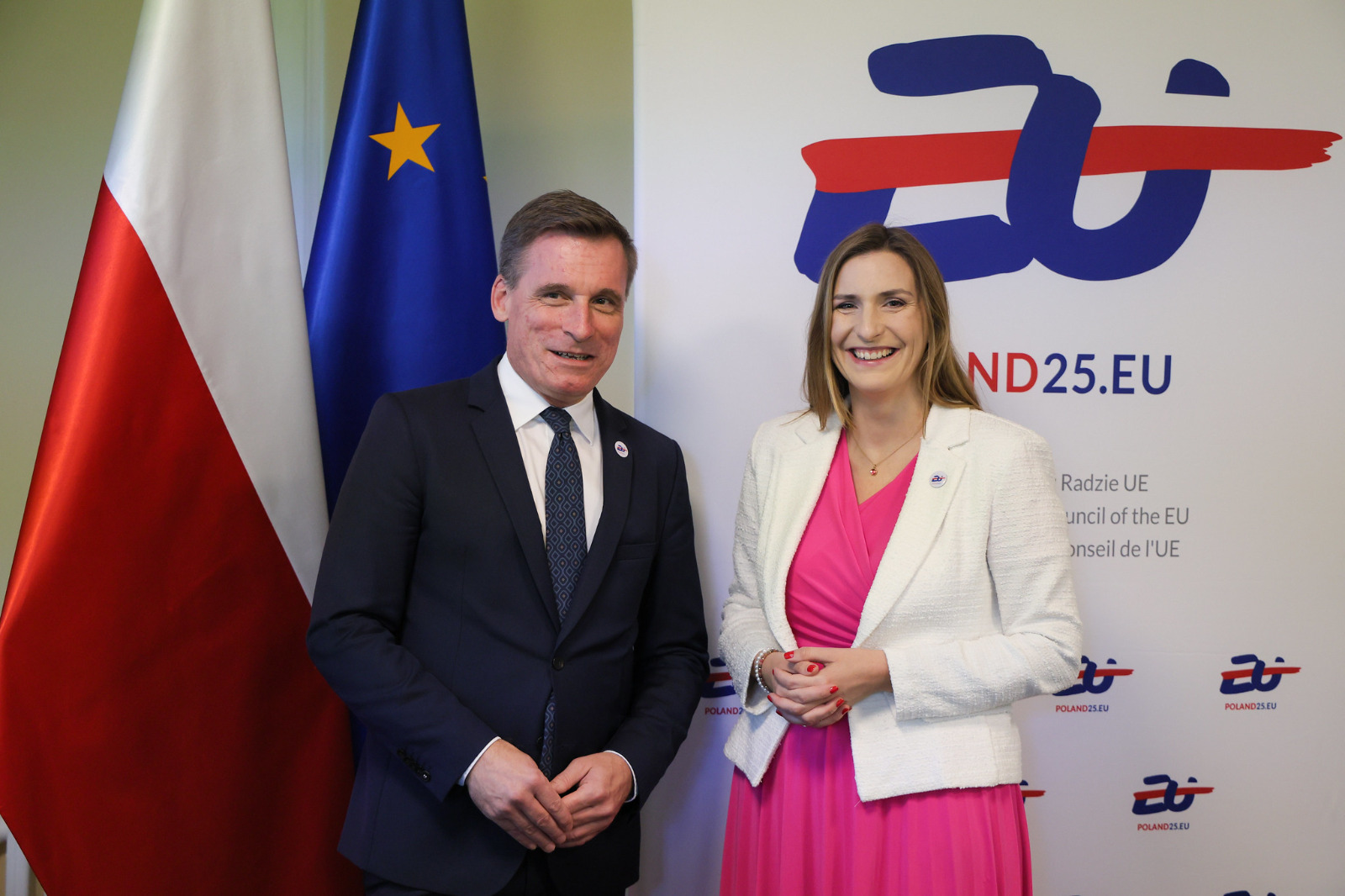
The Polish Presidency highlighted the scale and significance of civil society involvement during its term. Nearly 400 events were organised with the active participation of civil society organisations. Their contributions played a key role in shaping the Presidency’s agenda and advancing progress at the European level.
The National Economic and Social Council of Ireland proposed to host the 2026 meeting in Dublin. The offer was warmly welcomed by Röpke, who reaffirmed the EESC’s commitment to working with national councils to ensure no one is left behind.
Recommended for you
Pro odolnost EU má zásadní význam aktivní úloha organizované občanské společnosti
News
Na plenárním zasedání EHSV se diskutovalo o tom, jak roste význam organizované občanské společnosti a měst, neboť ovlivňují schopnost Evropy čelit asymetrickým otřesům a neočekávaným…
Mladí lidé coby hybatelé změn a evropské integrace zemí západního Balkánu
News
V rámci konference občanské společnosti na vysoké úrovni na téma Politika v oblasti mládeže v zemích západního Balkánu, kterou uspořádal Evropský hospodářský a sociální výbor (EHSV),…
České předsednictví chce dát Evropě nové pojetí, novou podobu a nový impuls
News
Jedním z bodů červencového plenárního zasedání Evropského hospodářského a sociálního výboru (EHSV) byla diskuse s českým ministrem zahraničních věcí Janem Lipavským o…
Vaše Evropa, váš názor (YEYS!) 2023: Mladí lidé požadují transparentnější, digitálnější a zjednodušenou EU
News
Evropský hospodářský a sociální výbor (EHSV) uspořádal ve dnech 23. a 24. března 14. ročník akce Vaše Evropa, váš názor (YEYS!). V jejím rámci se v Bruselu sešlo 105 studentů z 35 škol ze všech 27…
Spravedlivý přechod na nízkouhlíkovou společnost není možný bez účasti občanské společnosti
News
Dolní Vítkovice v Ostravě jsou bývalou průmyslovou oblastí, kde se dříve těžilo uhlí a vyráběla ocel. 11. října 2022 se zde na konferenci sešli zástupci akademické obce, místních…