
European Economic
and Social Committee
EESC at the GLOBSEC Tatra Summit 2024: Shaping Europe's Competitiveness Strategy
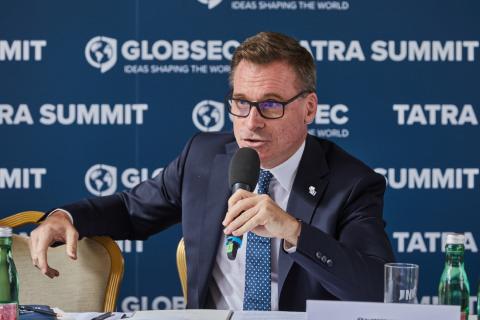
The European Economic and Social Committee (EESC) played a key role at the GLOBSEC Tatra Summit 2024, held in the High Tatras, Slovakia. The Summit, which brought together influential leaders, policy-makers, and experts from across Europe and beyond, focused on the future of European competitiveness, with discussions around emerging technologies and AI, industry and digitalisation.
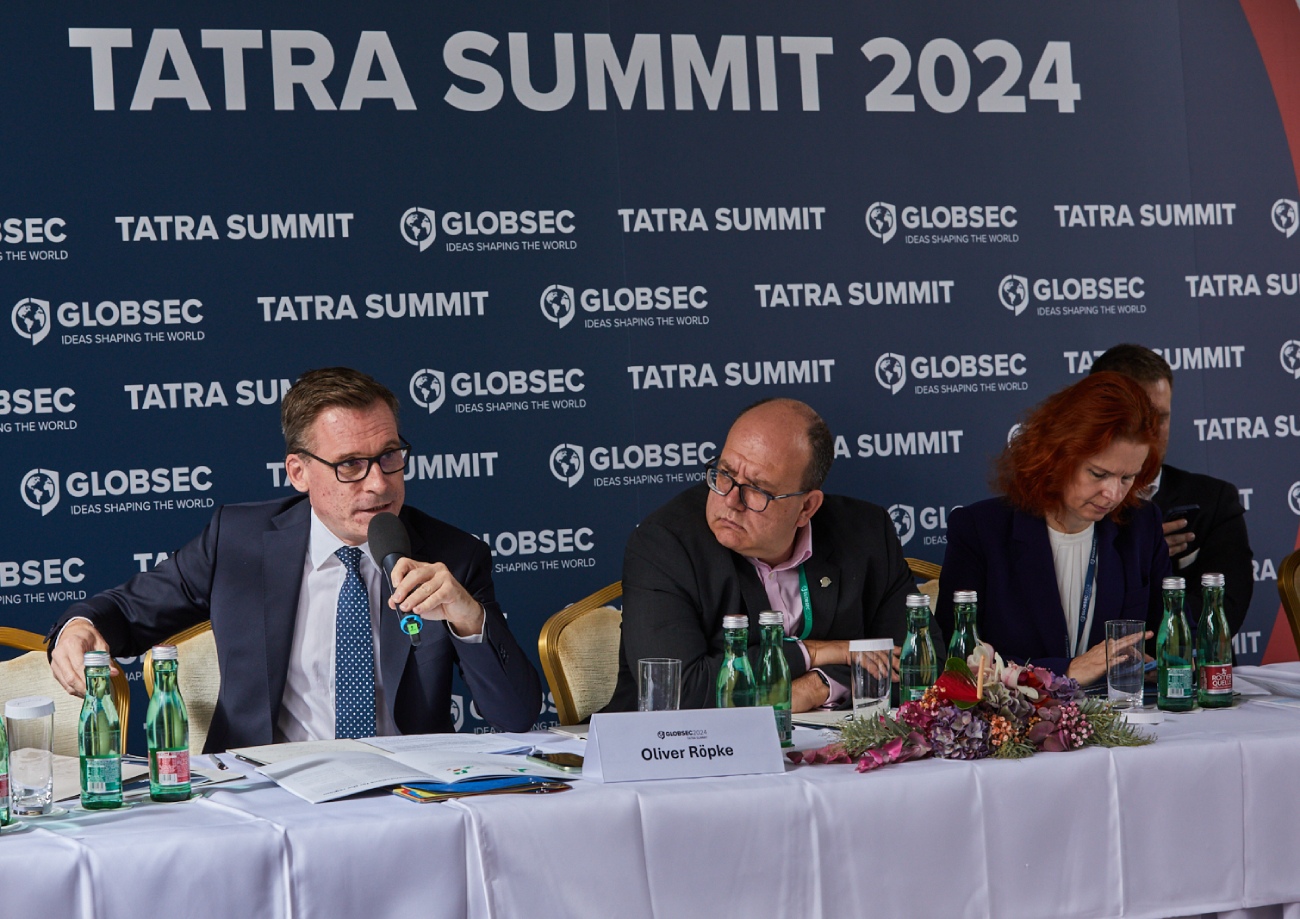
President Oliver Röpke represented the EESC during the event, participating in a high-profile panel on "Blueprint for Prosperity: Central Europe’s Strategy for Competitive Resilience". His remarks underscored the importance of aligning EU policies to address key issues such as labour market readiness, talent retention, and the integration of AI and green technologies into industry. Röpke emphasized that fostering sustainable growth and ensuring resilience amidst global economic and geopolitical shifts is essential for Europe to remain competitive on the global stage.
“Europe's strength lies in its ability to innovate while ensuring social inclusivity,” said President Röpke during the panel. “To remain competitive, we must invest in talent, embrace digital transformation, and foster an environment that supports sustainable growth.”
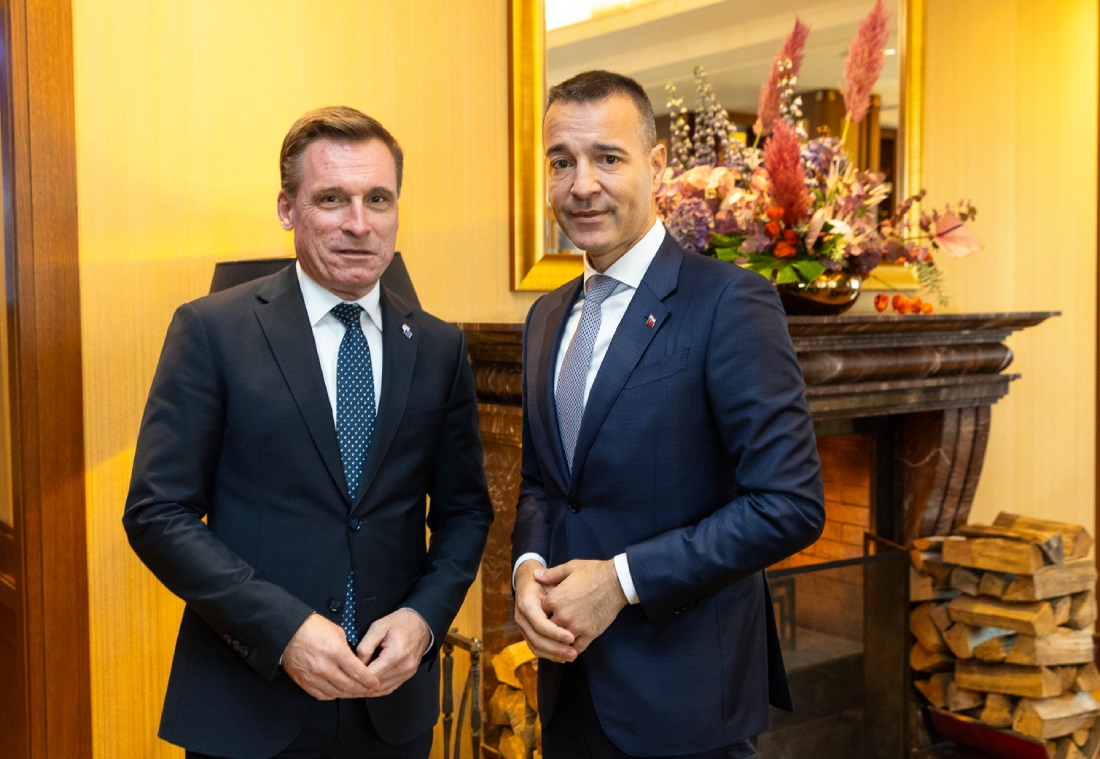
During the summit, the President engaged in several bilateral meetings with key stakeholders to further discuss collaboration on critical EU policy issues. Among these, an important meeting with European Commission Executive Vice-President Margrethe Vestager took place, focusing on fostering European competitiveness in the digital age and the convening power of the EESC. The President also met with the Slovak Minister of Education, Research, Development and Youth. In this meeting, they discussed the EESC’s youth initiatives, education, AI and possible collaborations ahead of international fora such as the Youth Council and the World Education Forum.
Recommended for you
Współtworzenie usług publicznych w sektorze opieki zdrowotnej przyczyni się do silniejszej demokracji uczestniczącej w UE
News
Podczas wydarzenia zorganizowanego przez Europejski Komitet Ekonomiczno-Społeczny (EKES) i Uniwersytet w Debreczynie podkreślono kluczowe znaczenie współtworzenia usług świadczonych w interesie…
Zorganizowane społeczeństwo obywatelskie UE nie zostawi Ukrainy
News
Europejski Komitet Ekonomiczno-Społeczny (EKES) zorganizował 19 lipca konferencję wysokiego szczebla nt. pomocy dla Ukrainy i jej odbudowy. Podczas tego wydarzenia zobowiązał się w pełni i na…
Europejski Komitet Ekonomiczno-Społeczny w Gdańsku. - Wolontariusze potrzebują rządowego wsparcia
News
O tendencjach w rozwoju wolontariatu w Unii Europejskiej, o nowych formach wolontariatu, ale też o wsparciu organów publicznych dla organizacji i wolontariuszy i jego roli gospodarczej - o tym, i nie…
Nowy europejski Bauhaus niesie wszechstronne korzyści dla przyszłości Europy
News
Uczestnicy seminarium internetowego zorganizowanego przez Europejski Komitet Ekonomiczno-Społeczny (EKES) opowiedzieli się za tym, by nowy europejski Bauhaus służył obywatelom Europy i pomagał w…
Instrumentalizacja migrantów i ukraiński kryzys uchodźczy wymagają ponownego namysłu nad polityką migracyjną
News
Finansowana przez państwo instrumentalizacja migrantów w celu destabilizacji UE oraz wojna w Ukrainie, która doprowadziła do niespotykanego dotąd napływu uchodźców, sprawiają, że niezbędny staje się…