European Economic
and Social Committee
European Economic
and Social Committee
The European Economic and Social Committee (EESC) is the voice of organised civil society in Europe.
Find out more about its role and structure at http://www.eesc.europa.eu/en/about
The EESC issues between 160 and 190 opinions, evaluation and information reports a year.
It also organises several annual initiatives and events with a focus on civil society and citizens’ participation such as the Civil Society Prize, the Civil Society Days, the Your Europe, Your Say youth plenary and the ECI Day.
Find the latest EESC opinions and publications at http://www.eesc.europa.eu/en/our-work/opinions-information-reports/opinions and http://www.eesc.europa.eu/en/our-work/publications-other-work/publications respectively.
The EESC is active in a wide range of areas, from social affairs to economy, energy and sustainability.
Learn more about our policy areas and policy highlights at http://www.eesc.europa.eu/en/policies
The EESC holds nine plenary sessions per year. It also organises many conferences, public hearings and high-level debates related to its work.
Find out more about our upcoming events at http://www.eesc.europa.eu/en/agenda/our-events/upcoming-events
Here you can find news and information about the EESC'swork, including its social media accounts, the EESC Info newsletter, photo galleries and videos.
Read the latest EESC news http://www.eesc.europa.eu/en/news-media/news and press releases http://www.eesc.europa.eu/en/news-media/press-releases
The EESC brings together representatives from all areas of organised civil society, who give their independent advice on EU policies and legislation. The EESC's326 Members are organised into three groups: Employers, Workers and Various Interests.
Find out more about our Members and groups at http://www.eesc.europa.eu/en/members-groups
The EESC has six sections, specialising in concrete topics of relevance to the citizens of the European Union, ranging from social to economic affairs, energy, environment, external relations or the internal market.
Find out more at http://www.eesc.europa.eu/en/sections-other-bodies
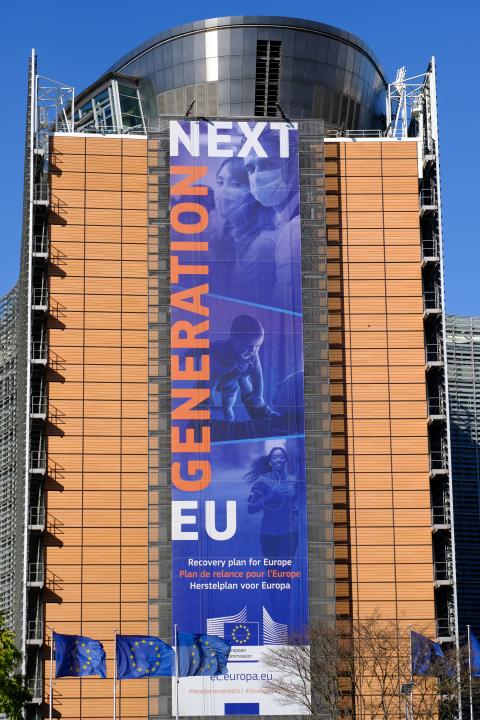
Labi funkcionējoša finansēšanas stratēģija ir būtiska, lai starptautiskajos kapitāla tirgos varētu piesaistīt līdzekļus Eiropas Savienības atveseļošanai. Atzinumā, ko izstrādāja Judith Vorbach un ko pieņēma jūlija plenārsesijā, Komiteja uzsver, ka NextGenerationEU sekmīgai īstenošanai ir vajadzīgs pārdomāts un ilgtspējīgs finansējums, kā arī stabila risku pārvaldība un zemas aizņēmumu izmaksas.
Runājot debatēs, Vorbach kundze teica: “NextGenerationEU paredzētie aizņēmumi jāveic, nodrošinot demokrātisku kontroli, leģitimitāti un pārredzamību. Efektīva finansēšanas stratēģija, kas paredz stabilu un ilgtspējīgu finansējumu, stabilu riska pārvaldību, kā arī augstu kredītspēju un zemas aizņēmumu izmaksas, atbilst sabiedrības interesēm un it īpaši pilsoniskās sabiedrības interesēm, jo tā galu galā uzņemas tirgus risku.”
EESK uzskata, ka atzinīgi vērtējama Eiropas Komisijas apņemšanās stiprināt savas prasmes un cilvēkresursus, lai varētu tikt galā ar NextGenerationEU finansējuma nodrošināšanu. Ņemot vērā sabiedrības lielo interesi par pārdomātu finansējumu, ir svarīgi, lai stratēģiju tieši pārvaldītu Komisija un stratēģijas pārvaldība netiktu veikta ārpakalpojuma veidā. EESK aicina, izraugoties personālu uzdevuma veikšanai, nodrošināt dzimumu līdzsvarotu pārstāvību.
Komiteja arī aicina izveidot konsultatīvu padomi, kurā būtu pārstāvēta Komisija, Eiropas Parlaments, Padome, sociālie partneri un organizēta pilsoniskā sabiedrība. (mp)