
European Economic
and Social Committee
REFLECTIONS BY CIVIL SOCIETY PARTNERS: The OCU stands for a Europe that is closer to people, more sustainable, and fairer
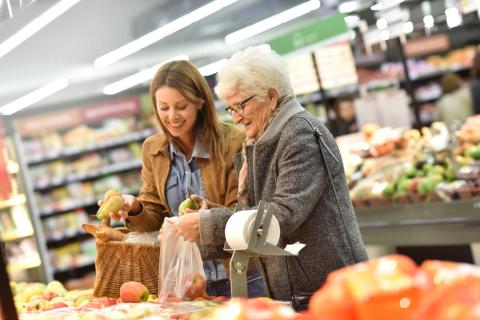
In 2025, the Organisation of Consumers and Users (OCU) marked 50 years of defending consumers. Its commitment to the EU remains a hallmark of the organisation. Since its inception, the OCU has actively participated in the European project, in the firm belief that many of the major challenges facing consumers require collective responses rooted in cooperation, dialogue, and the defence of the common good.
The priorities of the European Economic and Social Committee’s Civil Society Organisations’ Group for the period 2025-2028 are focused on placing organised civil society at the heart of European integration, and reinforcing participatory democracy, social inclusion, sustainability, and community resilience. These objectives align perfectly with the vision OCU has championed for decades: a European Union that is geared towards listening to citizens and incorporating their needs into public policy-making.
Against this backdrop, the OCU considers it particularly important to strengthen civil dialogue and ensure that consumer organisations and civil society can play their part in EU decision-making. Experience shows that policies are more effective and legitimate when designed with input from those with first-hand knowledge of the problems people face in their daily lives.
Furthermore, the current economic situation demands a firm response from the EU to the cost-of-living crisis. The OCU points to the clear need for solutions that alleviate the pressure on millions of households when it comes to basic needs such as food, fuel, and housing. A Europe aspiring to strengthen social cohesion must ensure that no one is left behind and that the economic transition to a carbon-neutral economy is underpinned by principles of fairness and social justice.
At the same time, the OCU maintains that Europe’s long-term future lies in upholding the ambition of the European Green Deal and speeding up the roll-out of the circular economy – an economy that reduces resource dependency, fosters innovation, and generates benefits for consumers, businesses, and the environment alike. Sustainability should not be viewed as an obstacle, but rather as an opportunity to build an economy that is more resilient, competitive, and prepared for future challenges.
To achieve these goals, the EU needs to equip itself with a sufficiently robust and stable budget. On top of that, it must also recognise civil society organisations as strategic partners, and enhance the mechanisms for participation and dialogue that enable the EU’s priorities to be translated into tangible results for citizens. Ultimately, a more democratic, sustainable, and social Europe will only be possible if it is built with the active participation of its civil society.
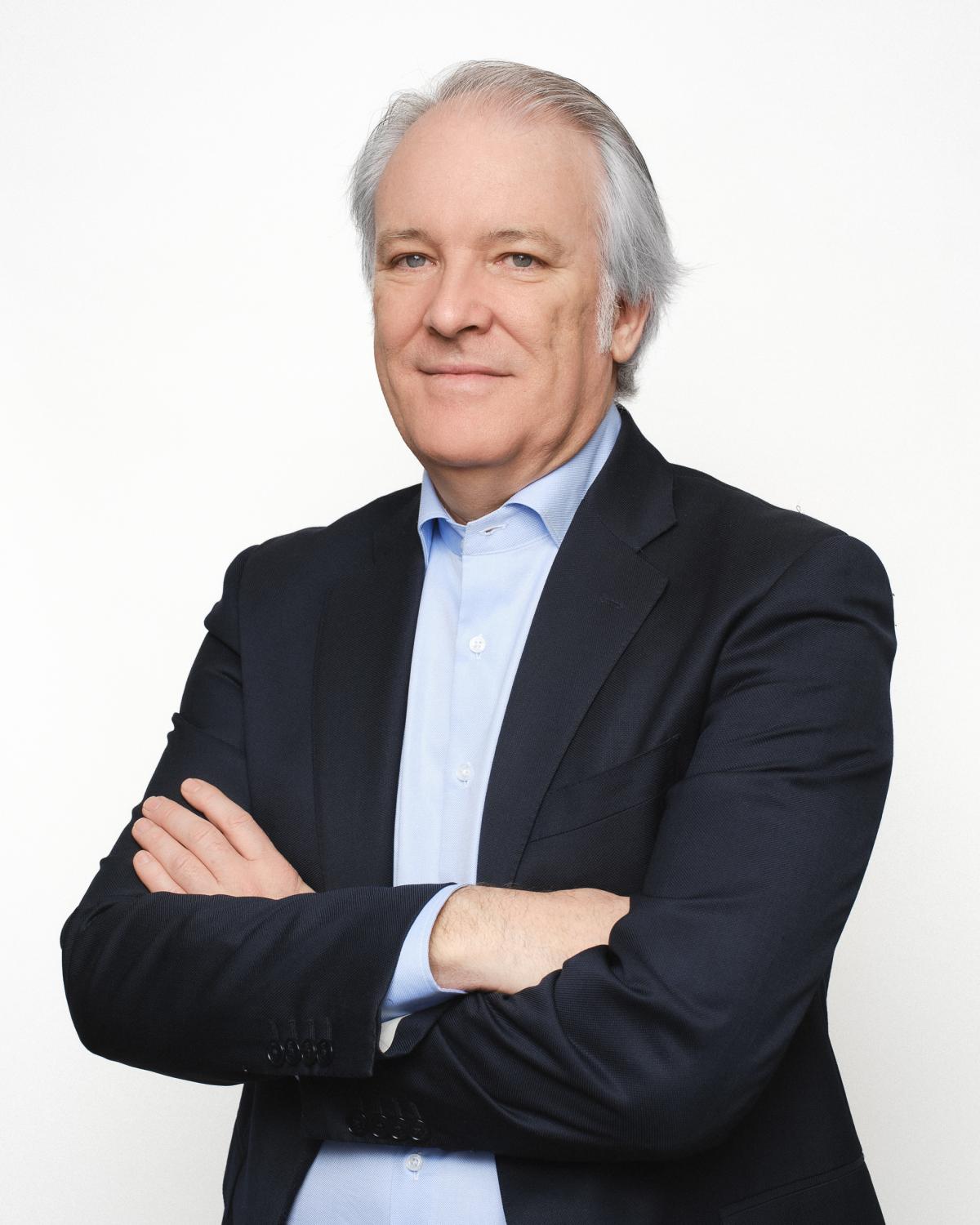 Enrique GARCÍA LÓPEZ
Department of Communication and Institutional Relations,
Organisation of Consumers and Users (OCU)
© OCU