Accessibility is not just a technical issue but a human right. The aim of this own-initiative opinion is to draw the attention of policy makers to the challenges and barriers that still exist for people with disabilities.
The Commission communication represents a fundamental policy instrument for people with disabilities. The EESC welcomes the European Disability Strategy, as an active policy instrument to implement the UN Convention on the Rights of Persons with Disabilities. The EESC believes that the UN Convention sets a clear framework that allows people with disabilities to contribute to the realisation of their potential, and calls for the EU to take the next and equally important steps of ratifying the Optional Protocol and of ensuring that existing and future secondary legislation respect the Convention.
Download — EESC opinion: European Disability Strategy 2010-2020
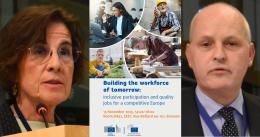
The EESC hosted a high-level conference on 13 November 2025, entitled “Building the workforce of tomorrow: inclusive participation and quality jobs for a competitive Europe.” The event brought together EU policymakers, social partners, researchers, and civil society to discuss the urgent challenges and opportunities facing Europe’s labour market, with a focus on two flagship reports.
urges the European Commission to adopt comprehensive action plans on all forms of disability, similar to those for youth and gender equality;
recommends closer cooperation with disabled people’s organisations (DPOs) in both international cooperation and EU humanitarian work, to enhance the effectiveness of disability diplomacy;
suggests that every diplomatic delegation involved in disability-related agreements should include at least one DPO representative at UN meetings. The aim is to formally designate disability focal points in each diplomatic delegation.
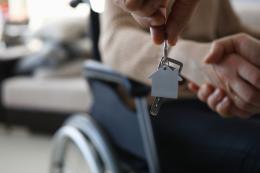
The EESC Section for Employment, Social Affairs and Citizenship (SOC) organised a hearing on "Accessible and Affordable Housing for All: Ensuring Inclusion of Persons with Disabilities in the EU". It brought together voices from the EU institutions, civil society, disability organisations and housing experts to address the urgent challenge of affordable and accessible housing across Europe.