
European Economic
and Social Committee
Biodiversity crisis: EESC calls for an integrated approach to tackle the triple planetary emergency
As COP16 of the United Nations Convention on Biological Diversity (CBD) draws near, the European Economic and Social Committee (EESC) is calling on the global community to place biodiversity at the forefront of international efforts. Biodiversity—the vast variety of life on Earth—is not an abstract concept, but the foundation of ecosystems, human well-being, and economic stability. The EESC highlighted the urgency of this issue in an own-initiative opinion adopted at its September plenary session.
The EESC has long advocated for a more integrated and cross-sectoral approach to biodiversity conservation and restoration, stressing that addressing environmental issues alone is insufficient. Biodiversity needs to be incorporated into various policy areas, -such as climate, agriculture, and trade,- to drive meaningful progress.
Trade agreements, for example, must ensure that the food, products, and technologies they facilitate are sustainable. Importing goods from regions plagued by deforestation and habitat destruction undermines global efforts to protect biodiversity. The EU, with its legislative authority and global influence, has a responsibility to ensure its trade policies do not contribute to environmental degradation.
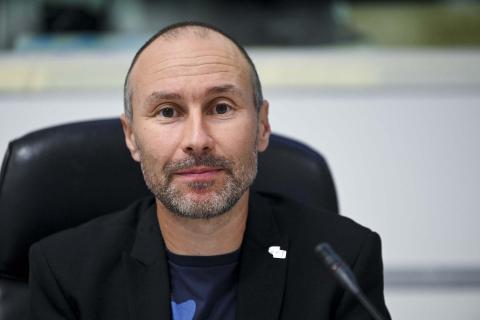
'Without biodiversity, our ecosystems and economies will collapse. Over half of global GDP and 40% of jobs worldwide depend on nature. From fisheries to agriculture, industries essential to livelihoods are directly linked to ecosystem health. Safeguarding biodiversity is not just about conservation; it’s about protecting the foundation of our economies,' said Arnaud Schwartz, rapporteur of the opinion.
The EESC emphasises that effective biodiversity governance requires active participation from all sectors of society, including NGOs, local communities, and especially young people, who will bear the consequences of today’s decisions. Youth participation in policymaking ensures that the voices of future generations are heard and that their concerns shape the policies that will affect them.
In this light, the EESC advocates for creating a dedicated Executive Vice President for future generations within the European Commission. This position would focus on long-term thinking, ensuring that policies prioritise well-being and sustainability over short-term economic gains.
One of the biggest challenges to protecting and restoring biodiversity is securing sufficient financial support. Public funding alone is insufficient. The EESC stresses the need for public, private, and blended financial mechanisms to support key stakeholders, particularly those most vulnerable. It calls for a global financial system with standardised reporting and new metrics that respect planetary boundaries. The EESC also advocates for realigning investments toward low-carbon, resilient economies and thriving ecosystems, as well as providing EU support for biodiversity protection in the Global South.
Moreover, the EESC strongly urges the phasing out of subsidies that harm biodiversity, particularly those promoting fossil fuels. Redirecting these funds to biodiversity protection and ecosystem restoration could create a win-win scenario – addressing climate change while safeguarding biodiversity. In particular, nature-based solutions that simultaneously address climate change and biodiversity loss – for example, restoring ecosystems, forests and wetlands, sustainable land management and sustainable agriculture practices – provide ecosystem services while reducing greenhouse gas emissions and respecting the rights and cultures of the people concerned (i.e., local communities and indigenous people).
The EESC also highlights the link between human, animal, and environmental health, promoting the 'One Health' approach. This framework recognises that healthy ecosystems are critical to both human and animal well-being. As biodiversity declines, ecosystems lose their capacity to buffer against diseases, including zoonotic diseases like COVID-19, which spread from animals to humans.
Adopting the 'One Health' approach, both in Europe and globally, is essential for long-term sustainability. Healthy ecosystems provide essential services like pollination, water filtration, and carbon sequestration, all of which support human health and prosperity.
As global political tensions rise, misinformation spreads and the cost-of-living increases, there is a risk that efforts to combat climate change and biodiversity loss may be sidelined. However, this crisis also presents an opportunity. By transitioning to a ‘well-being economy’, we can redefine prosperity, aligning it with the health of our planet.
With the three Rio Conventions taking place in 2024 – the United Nations Framework Convention on Climate Change (UNFCCC), the United Nations Convention on Biological Diversity (CBD) and the United Nations Convention to Combat Desertification (UNCCD) – the EESC calls for an integrated approach to addressing the triple planetary crisis together, and for increasing synergies between the three Conventions.
As COP16 approaches, the world must reflect on the progress made since the adoption of the historic Kunming-Montreal Global Biodiversity Framework at COP15. While ambitious goals were set, progress has been slow and biodiversity loss continues at an alarming rate. The upcoming conference will be a key moment in the global effort to safeguard the planet’s ecosystems. (ks)