Europski zeleni plan

This page is also available in:

Europska komisija pokrenula je 11. prosinca 2019. europski zeleni plan kojim se jača predanost EU-a svladavanju izazova povezanih s klimom i okolišem, što je glavna zadaća ove generacije. Cilj je europskog zelenog plana pretvoriti EU u moderno, resursno učinkovito i konkurentno gospodarstvo, osiguravajući:

  • nultu neto stopu emisija stakleničkih plinova do 2050.;
  • gospodarski rast koji ne ovisi o korištenju resursa;
  • da nijedna osoba i nijedno mjesto ne budu zapostavljeni.

Kako bi ostvario europski zeleni plan, EU provodi sveobuhvatan paket inicijativa, uključujući prijedloge politika i zakonodavne prijedloge te razvoj i modernizaciju financijskih instrumenata.

EGSO već neko vrijeme poziva na „zeleni i socijalni plan”, naglašavajući blisku povezanost zelenog plana i socijalne pravde. Izuzetno je važno čuti mišljenje svih dionika kako bi se dao poticaj održivim i konkurentnim poduzećima sutrašnjice u zdravom okruženju.

U europskom zelenom planu snažan naglasak stavljen je na ulaganja i financiranje zelene i održive tranzicije. Europski zeleni plan bitan je dio oporavka Europe nakon pandemije COVID-a 19. Taj se plan financira trećinom sredstava iz plana oporavka NextGenerationEU, koja iznose 1,8 bilijuna eura, i sedmogodišnjim proračunom EU-a. Tim velikim povećanjem mogućnosti financiranja krizu se nastoji pretvoriti u priliku za transformaciju budućnosti Europe.

EGSO ima ključnu ulogu u praćenju provedbe inicijativa i mjera iz europskog zelenog plana. Odbor priprema mišljenja i organizira aktivnosti (vidjeti bočni izbornik na lijevoj strani ove stranice) kako bi osigurao da institucije EU-a uzimaju u obzir stajališta organiziranog civilnog društva i da su inicijative u okviru zelenog plana usklađene s gospodarskom, socijalnom i građanskom stvarnošću na terenu.

Budući da je po svojoj prirodi europski zeleni plan transverzalan i sveobuhvatan, njime se bave sve stručne skupine EGSO-a i CCMI.
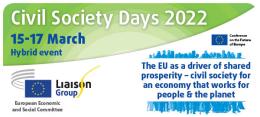
  • The EU as a driver of shared prosperity – civil society for an economy that works for people & the planet
    -

    While Europe and its societies are still in the grip of the COVID-19 pandemic and with the Conference on the Future of Europe in its closing stages, the EESC will be holding its annual Civil Society Days in March 2022.

  • Published in
    Study
    104 pages

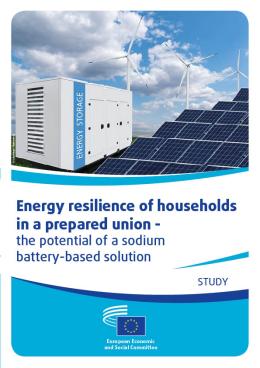
    This study examines the potential of sodium ion battery technology to strengthen energy resilience in European households and businesses, particularly in meeting a 72 hour electricity self sufficiency objective under the EU’s preparedness strategy.

  • Published in
    8 pages

    This publication presents the Civil Society Organisations’ Group of the European Economic and Social Committee (EESC) and outlines its priorities for the term 2025-2028. Under the theme 'Striving for sustainable communities, the beating heart of civil society and democracy', the group will focus on the following priorities:

  • Published in
    28 pages

    On 8 June 2022 the Consultative Commission on Industrial Change (CCMI) celebrated its 20th anniversary with a conference focused on the challenges of today and the prospects for tomorrow. This publication is a record of the occasion and a commemoration of what CCMI has achieved since joining the EESC.

  • Published in
    12 pages

    Approach and priority areas of the Civil Society Organisations' Group for 2025

  • Published in
    Study
    71 pages

    Taking Stock of SDG 2 and Future Perspectives

  • Published in
    16 pages

    EESC Employers’ Group priorities
    This document presents the short- and mid-term objectives of the EESC Employers’ Group and 10 policy actions for policymakers to improve the business environment, and thereby the EU’s competitiveness and conditions for creating prosperity for citizens.

  • Published in
    Study
    53 pages

    This study explores effective practices for youth participation in policy and decision-making processes, providing a comprehensive overview of what youth participation means and its key characteristics

  • Published in
    7 pages

    On 20 February 2024 in Brussels, the EESC organised a conference on the Housing Crisis in Europe. This publication sets out the participants' assessment of the current state of affairs and their recommendations on how to tackle the current housing crisis.

  • Published in
    Study
    70 pages

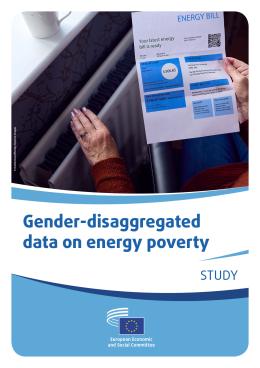
    Recent economic shocks from the COVID-19 pandemic and the energy crisis in Europe following Russia’s invasion of Ukraine have brought energy poverty to the forefront of social and political debate. While EU policies increasingly address energy poverty, gender considerations remain overlooked. This study addresses this gap and aims to increase the understanding of the gender-energy poverty nexus, analysing existing literature and EU and national policies.