Europäischer Grüner Deal

This page is also available in:

Am 11. Dezember 2019 hat die Europäische Kommission den europäischen Grünen Deal ins Leben gerufen, mit dem das Engagement der EU für die Bewältigung klima- und umweltbezogener Herausforderungen – die entscheidende Aufgabe dieser Generation – gestärkt wird. Ziel des europäischen Grünen Deals ist es, die EU zu einer modernen, ressourceneffizienten und wettbewerbsfähigen Wirtschaft zu machen, die

  • bis 2050 keine Netto-Treibhausgase mehr ausstößt;
  • ihr Wachstum von der Ressourcennutzung abkoppelt;
  • niemanden, weder Mensch noch Region, im Stich lässt.

Zur Umsetzung des europäischen Grünen Deals führt die EU ein umfassendes Paket von Initiativen durch, das politische und legislative Vorschläge sowie die Entwicklung und Modernisierung von Finanzierungsinstrumenten umfasst.

Der EWSA hat sich unter Verweis auf die enge Verbindung zwischen dem Grünen Deal und sozialer Gerechtigkeit für einen „Grünen und sozialen Deal“ eingesetzt. Damit in Zukunft nachhaltige und wettbewerbsfähige Unternehmen in einer gesunden Umwelt florieren können, ist es von entscheidender Bedeutung, darauf zu hören, was alle Interessenträger zu sagen haben.

Ein besonderer Schwerpunkt des er europäischen Grünen Deals liegt auf Investitionen in den grünen und nachhaltigen Wandel und seine Finanzierung. Der Grüne Deal ist das zentrale Mittel zur Überwindung der Folgen der COVID-19-Pandemie. Ein Drittel der 1,8 Billionen Euro aus dem Aufbauplan NextGenerationEU und dem siebenjährigen EU-Haushalt ist für den europäischen Grünen Deal vorgesehen. Diese neuen finanziellen Möglichkeiten sollen die Krise in eine Chance für die Gestaltung der Zukunft Europas umwandeln.

Der EWSA spielt eine entscheidende Rolle bei der Überwachung der Umsetzung der Initiativen und Maßnahmen des europäischen Grünen Deals. Der EWSA erarbeitet Stellungnahmen und organisiert Aktivitäten (siehe die Auswahl links auf dieser Seite), um dafür zu sorgen, dass die EU-Organe die Standpunkte der organisierten Zivilgesellschaft berücksichtigen und die Initiativen des Grünen Deals auf die wirtschaftlichen, sozialen und gesellschaftlichen Gegebenheiten vor Ort abgestimmt sind.

Da der europäische Grüne Deal alle Themenbereiche betrifft, beschäftigen sich sämtliche Fachgruppen des EWSA sowie die CCMI mit ihm.
  • The EU as a driver of shared prosperity – civil society for an economy that works for people & the planet
    -

    While Europe and its societies are still in the grip of the COVID-19 pandemic and with the Conference on the Future of Europe in its closing stages, the EESC will be holding its annual Civil Society Days in March 2022.

  • Published in
    Study
    104 pages

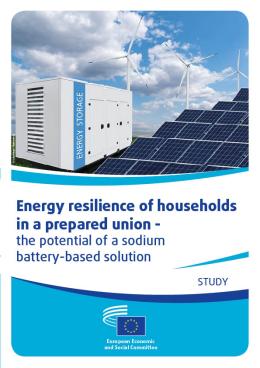
    This study examines the potential of sodium ion battery technology to strengthen energy resilience in European households and businesses, particularly in meeting a 72 hour electricity self sufficiency objective under the EU’s preparedness strategy.

  • Published in
    8 pages

    This publication presents the Civil Society Organisations’ Group of the European Economic and Social Committee (EESC) and outlines its priorities for the term 2025-2028. Under the theme 'Striving for sustainable communities, the beating heart of civil society and democracy', the group will focus on the following priorities:

  • Published in
    28 pages

    On 8 June 2022 the Consultative Commission on Industrial Change (CCMI) celebrated its 20th anniversary with a conference focused on the challenges of today and the prospects for tomorrow. This publication is a record of the occasion and a commemoration of what CCMI has achieved since joining the EESC.

  • Published in
    12 pages

    Approach and priority areas of the Civil Society Organisations' Group for 2025

  • Published in
    Study
    71 pages

    Taking Stock of SDG 2 and Future Perspectives

  • Published in
    16 pages

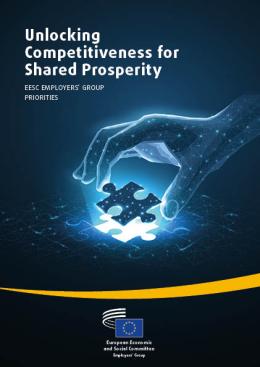
    EESC Employers’ Group priorities
    This document presents the short- and mid-term objectives of the EESC Employers’ Group and 10 policy actions for policymakers to improve the business environment, and thereby the EU’s competitiveness and conditions for creating prosperity for citizens.

  • Published in
    Study
    53 pages

    This study explores effective practices for youth participation in policy and decision-making processes, providing a comprehensive overview of what youth participation means and its key characteristics

  • Published in
    7 pages

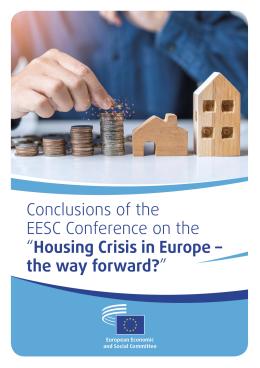
    On 20 February 2024 in Brussels, the EESC organised a conference on the Housing Crisis in Europe. This publication sets out the participants' assessment of the current state of affairs and their recommendations on how to tackle the current housing crisis.

  • Published in
    Study
    70 pages

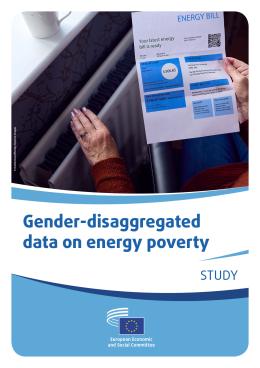
    Recent economic shocks from the COVID-19 pandemic and the energy crisis in Europe following Russia’s invasion of Ukraine have brought energy poverty to the forefront of social and political debate. While EU policies increasingly address energy poverty, gender considerations remain overlooked. This study addresses this gap and aims to increase the understanding of the gender-energy poverty nexus, analysing existing literature and EU and national policies.