
European Economic
and Social Committee
Aviation - EESC urges Commission to adopt a comprehensive recovery plan
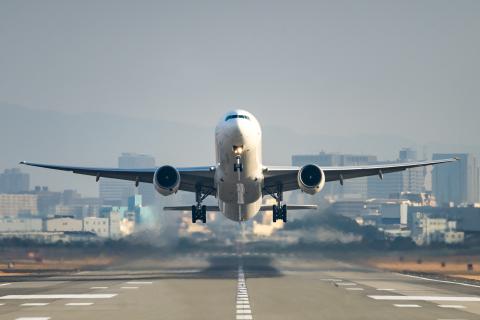
The European Economic and Social Committee (EESC) stresses that an ambitious and coordinated policy response is needed to face the unprecedented crisis brought about by the coronavirus pandemic in one of the most strategically important sectors for the EU.
The EESC calls upon the European Commission to develop a comprehensive road map for the recovery of European aviation as a whole, with specific resources to support all sub-sectors and their workforces.
In the opinion put together by Thomas Kropp and adopted at the EESC September plenary, the Committee argues that an ambitious and coordinated policy response is needed, with a clear distinction between an initial recovery phase, in the short term, and the need to secure the international competitiveness of the sector and a level playing field in the medium to long term.
Speaking on the sidelines of the plenary, Mr Kropp commented: Although aviation has faced crises before, the current one is unprecedented. According to updated estimates, the recovery of the sector will not happen before 2024. The European institutions and other international bodies have not been able to coordinate regulatory measures to establish international standards so far. Aviation is not only about airlines, it is also about other important players, such as airports, air navigation service providers, ground handling and other service providers, which all need to be considered in the search for solutions
.
Aviation is among the worst affected sectors by the coronavirus pandemic. Between March and May 2020 alone, the air passenger traffic market plummeted by 90%. In the near future, it is likely to further decline significantly, due to lower demand, border closures and temporary restrictions on air travel connections within the EU and between the EU and large international markets. All this has brought about a liquidity crisis for airlines that may lead to insolvencies within a few months if left unaddressed, with dramatic consequences for all stakeholders and their employees.
The EU aviation sector is of strategic importance and makes a vital contribution to Europe's overall economy and employment. The impact of the COVID-19 pandemic may therefore have wider consequences over a prolonged period for jobs and trade, on top of connectivity, affordability and choice of travel.
The EU Member States are keen to assist all economic sectors in the recovery process. However, none of them can make it alone and, in any case, it is unlikely that global economic activities will regain pre-pandemic levels in the near future. This is why a coordinated response at European level is essential.
In the short term, it is key to retain a skilled workforce, without which sustainable competitiveness cannot be secured. Quality jobs and appropriate working conditions should be maintained, and recruitment and training of a qualified workforce should continue.
At this stage, the Commission needs to work to re-establish passengers' trust in aviation as the coronavirus crisis has created unforeseen market conditions in most of the relevant regulations. Passengers must therefore, on one hand, receive reassurances that their tickets will be refunded in the event of cancellations and, on the other, feel that flying is safe, following binding international agreements on appropriate health standards.
In the medium term, the Commission needs to review the EU's Aviation Strategy which should ensure a post-pandemic level playing field, based on an assessment of the extraordinary weakness of the aviation system and the changed parameters and market dynamics.
Generally speaking, the Commission has to look for a proper balance between the recovery measures and the financial requirements arising from the European Green Deal, avoiding the imposition of additional regulatory burdens, particularly in the recovery phase, as the entire sector is extremely fragile from a financial point of view.
Work organisation
Recommended for you
Bearta trédhearcachta
Basic Page
Rinne Biúró CESE cinneadh i bprionsabal an 25 Deireadh Fómhair 2022 go nglacfadh CESE páirt i gClár Trédhearcachta an Aontais Eorpaigh a bunaíodh faoi Chomhaontú Idirinstitiúideach an 20 Bealtaine…
Litir oscailte chomhpháirteach ó Ghrúpa Eagraíochtaí na Sochaí Sibhialta in CESE agus ó Shochaí Shibhialta na hEorpa #EUCivilDialogueNow
Event
PREASEISIÚINT Ní mór d’institiúidí an Aontais an Conradh ar an Aontas Eorpach a urramú agus idirphlé sibhialta struchtúrtha a chur chun feidhme An 24 Eanáir, sheol sochaí shibhialta na hEorpa litir…
Toghadh Séamus Boland ina Uachtarán ar Choiste Eacnamaíoch agus Sóisialta na hEorpa, agus gheall sé go gcuirfear an tsochaí shibhialta i gcroílár na hEorpa
News
Toghadh Séamus Boland na hÉireann ar an 35ú Uachtarán ar Choiste Eacnamaíoch agus Sóisialta na hEorpa (CESE) le haghaidh an téarma oifige 2025-2028. Is urlabhra riamh anall é do phobail na tuaithe…
Eolas faoi CESE
Basic Page
‘Beidh Coiste Eacnamaíoch agus Sóisialta (...) a fheidhmeoidh feidhmeanna comhairliúcháin de chúnamh ag Parlaimint na hEorpa, ag an gComhairle agus ag an gCoimisiún.’1957, Airteagal 13 den Chonradh…
CESE, Uachtarántacht na hÉireann agus an fhís choiteann atá acu
News
I ndiaidh na díospóireachta a reáchtáladh le Comhaltaí CESE le linn sheisiún iomlánach mhí Iúil, níl aon dabht faoi ach go bhfuil clár Uachtaránacht reatha an Aontais ag freagairt go mór do na…