
European Economic
and Social Committee
European Economic
and Social Committee
The European Economic and Social Committee (EESC) is the voice of organised civil society in Europe.
Find out more about its role and structure at http://www.eesc.europa.eu/en/about
The EESC issues between 160 and 190 opinions and information reports a year.
It also organises several annual initiatives and events with a focus on civil society and citizens’ participation such as the Civil Society Prize, the Civil Society Days, the Your Europe, Your Say youth plenary and the ECI Day.
Find the latest EESC opinions and publications at http://www.eesc.europa.eu/en/our-work/opinions-information-reports/opinions and http://www.eesc.europa.eu/en/our-work/publications-other-work/publications respectively.
The EESC is active in a wide range of areas, from social affairs to economy, energy and sustainability.
Learn more about our policy areas and policy highlights at http://www.eesc.europa.eu/en/policies
The EESC holds nine plenary sessions per year. It also organises many conferences, public hearings and high-level debates related to its work.
Find out more about our upcoming events at http://www.eesc.europa.eu/en/agenda/our-events/upcoming-events
Here you can find news and information about the EESC'swork, including its social media accounts, the EESC Info newsletter, photo galleries and videos.
Read the latest EESC news http://www.eesc.europa.eu/en/news-media/news and press releases http://www.eesc.europa.eu/en/news-media/press-releases
The EESC brings together representatives from all areas of organised civil society, who give their independent advice on EU policies and legislation. The EESC's326 Members are organised into three groups: Employers, Workers and Various Interests.
Find out more about our Members and groups at http://www.eesc.europa.eu/en/members-groups
The EESC has six sections, specialising in concrete topics of relevance to the citizens of the European Union, ranging from social to economic affairs, energy, environment, external relations or the internal market.
Find out more at http://www.eesc.europa.eu/en/sections-other-bodies
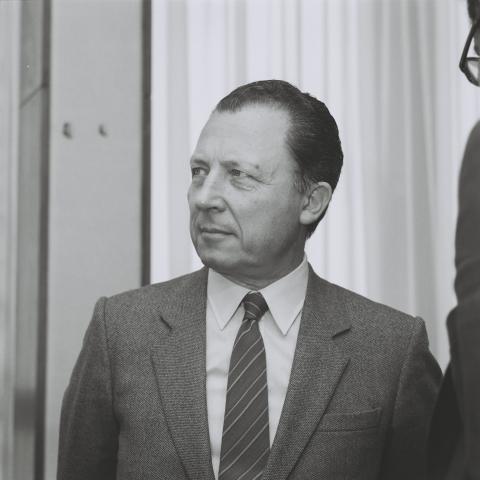
2023 m. gruodžio 27 d. mirė Žakas Deloras. 1985–1995 m. jis buvo Europos Komisijos pirmininkas, o 1981–1985 m. – Fransua Miterano vyriausybės finansų ministras.
Jo atminimą pagerbė buvęs Paryžiaus Žako Deloro instituto direktorius, dabar – specialusis instituto patarėjas, buvęs ES korespondentas Briuselyje Sébastien Maillard.
Prisiminimais apie Žaką Delorą su EESRK info skaitytojais taip pat pasidalijo vienas žinomiausių Europos žurnalistų Lorenzo Consoli.
Lorenzo Consoli – italų žurnalistas, Europos korespondentas nuo 1991 m., vienas iš labiausiai patyrusių Europos politikos specialistų, dirbantis Italijos naujienų agentūroje „Askanews“. 2006–2010 m. jis buvo Briuselyje esančios Tarptautinės spaudos asociacijos (API) pirmininkas ir Briuselio IHECS instituto Europos žurnalistikos ir komunikacijos aukštesniųjų magistro studijų programos kviestinis dėstytojas. (eph)