
European Economic
and Social Committee
EESC and Albanian Government Launch New Chapter of Civil Society Dialogue in Tirana
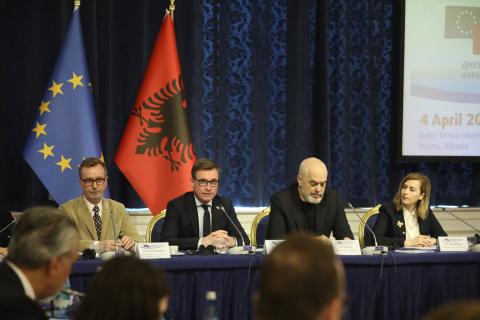
The European Economic and Social Committee (EESC) deepened its engagement with the Western Balkans this week with a series of high-level meetings and the official launch of the EU–Albania Joint Civil Society Consultative Committee (JCC)—a major milestone in Albania’s EU accession journey.
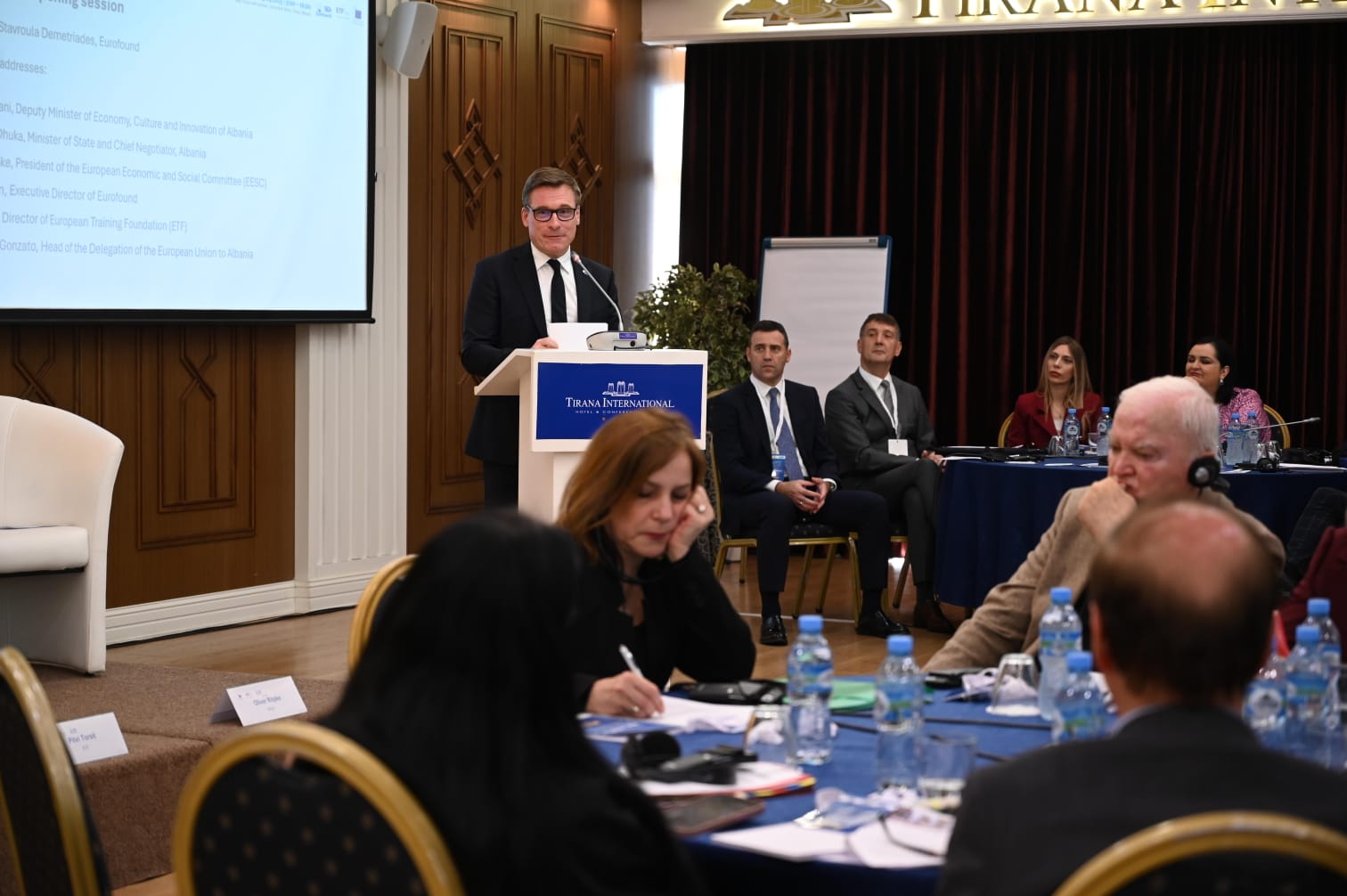
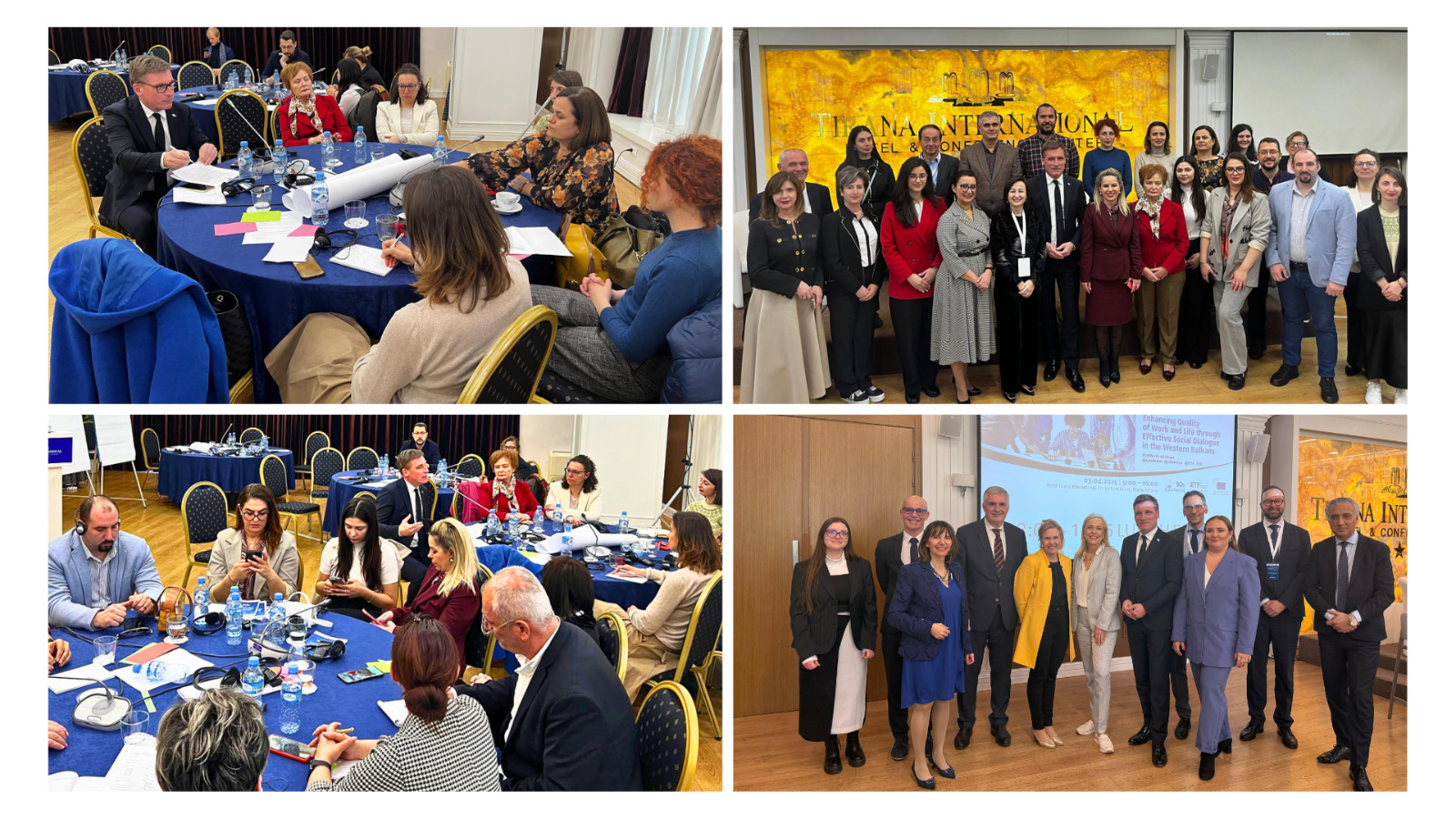
On Thursday, 3 April, the EESC co-hosted the regional event "Enhancing Quality of Work and Life through Effective Social Dialogue in the Western Balkans" in Tirana, alongside Eurofound and the European Training Foundation (ETF). The event gathered trade unions, employers’ organisations, EU institutions and government representatives to discuss how stronger social dialogue can address challenges like job quality, skills development, youth concerns and sustainable growth.
In his address, EESC President Oliver Röpke stressed the essential role of autonomous and inclusive social dialogue in delivering fair reforms and building trust in institutions across the region. The event also showcased the progress of the Enlargement Candidate Members (ECM) initiative, which has brought voices from the Western Balkans directly into the EESC’s policy work.
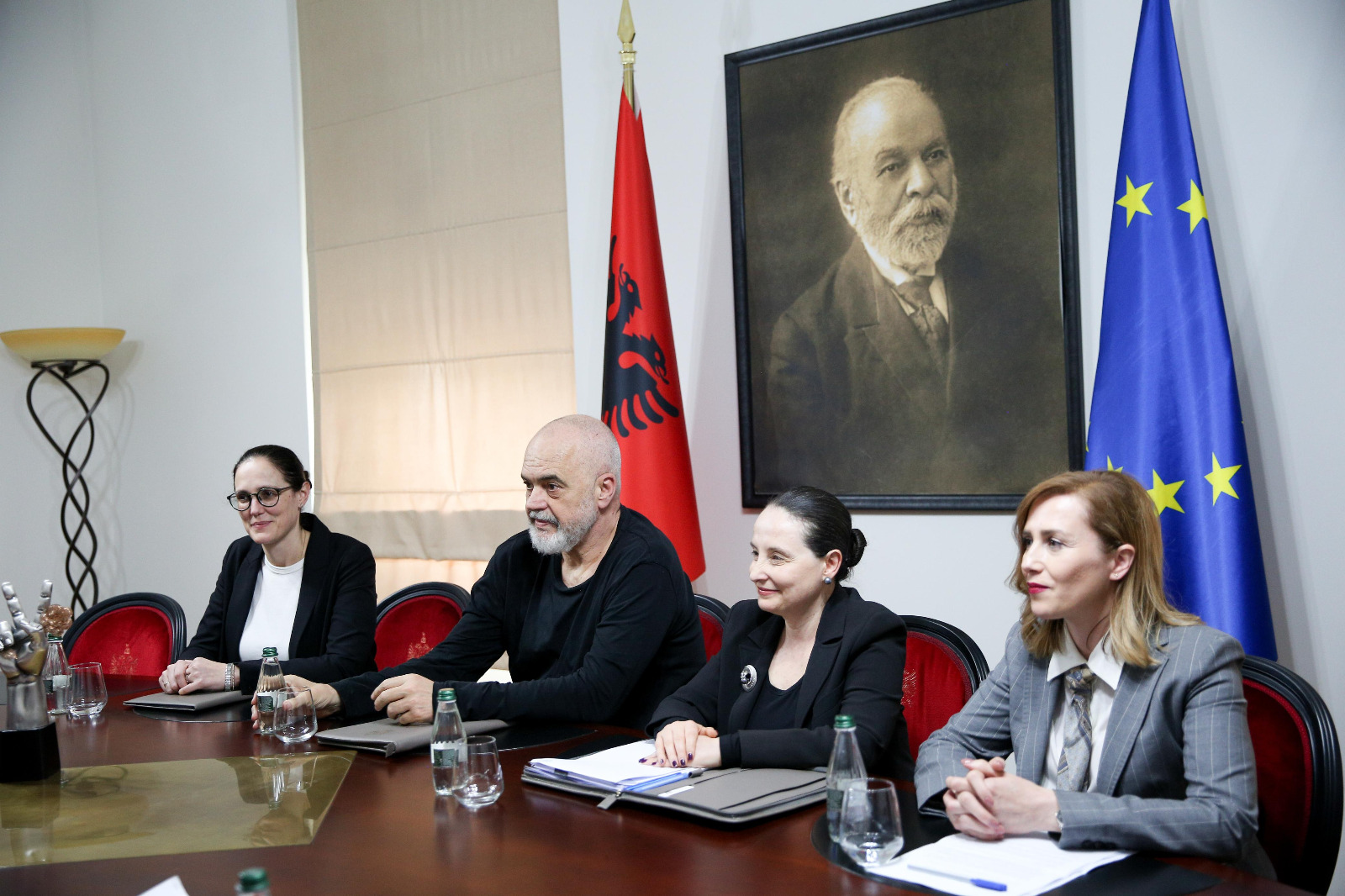
Later that afternoon, President Röpke held a high-level meeting with Prime Minister Edi Rama. In what both sides described as a fruitful and constructive exchange, discussions focused on Albania’s reform momentum, and the vital role of civil society in maintaining accountability and citizen trust throughout the accession process.
The two leaders praised the reinforced cooperation through the Enlargement Candidate Members initiative and the Joint Consultative Committee. President Röpke reiterated the EESC’s full support for Albania’s goal of opening all negotiation clusters by the end of 2025.
A New Platform for Civil Society
On Friday, 4 April, President Röpke and Prime Minister Rama opened the inaugural meeting of the EU–Albania Joint Consultative Committee (JCC)—a new institutional platform designed to embed civil society into the accession process.
The JCC brings together representatives of trade unions, employers and civil society organisations from both sides, enabling them to monitor reform implementation and issue joint recommendations to the Albanian authorities and EU institutions.
“This JCC is not symbolic—it is structural,” said President Röpke. “It formalises the voice of civil society in the EU accession process and ensures that reforms are not just passed, but shaped and supported by the people they affect to ensure a meaningful gradual integration.”
The meeting covered the state of play in EU–Albania relations, adopted rules of procedure for the JCC, and discussed the functioning of civil and social dialogue in the country. Albanian Ministers Majlinda Dhuka, Delina Ibrahimaj, and Olta Manjani also took part in the proceedings, reflecting the strong institutional commitment to the JCC’s success.
The Albanian delegation’s inclusive and transparent selection process was praised, with all six of its members also taking part in the EESC’s ECM initiative, reinforcing ties between Brussels and Tirana.
The session concluded with a strong commitment to regular engagement, with civil society set to play a proactive role in monitoring Albania’s reform agenda, including in areas such as rule of law, youth participation, labour rights and environmental sustainability.
Civil Society as a Strategic Partner
The establishment of the EU–Albania JCC reflects a broader shift in the enlargement process—one that places democratic accountability and bottom-up dialogue at its core. With Albania aiming to join the EU by 2030, the EESC reiterated that civil society is not an observer of this process but a strategic partner in delivering it.
In his remarks at the JCC’s inaugural session, Prime Minister Edi Rama underlined two central messages: the importance of equality in the EU–Albania relationship—“speaking equal to equal from the very beginning, whether in Brussels or in Tirana”—and the need to invest in building the knowledge base of civil society. Learning from each other, he stressed, is essential to ensure civil society can contribute meaningfully to Albania’s accession and shape the reforms that lie ahead.
The EESC will continue to support the JCC’s work, and President Röpke invited all participants to take part in the upcoming Western Balkans Civil Society Forum, to be held in Budva this May, as a next step in this deepening cooperation.
Recommended for you
Toghadh Séamus Boland ina Uachtarán ar Choiste Eacnamaíoch agus Sóisialta na hEorpa, agus gheall sé go gcuirfear an tsochaí shibhialta i gcroílár na hEorpa
News
Toghadh Séamus Boland na hÉireann ar an 35ú Uachtarán ar Choiste Eacnamaíoch agus Sóisialta na hEorpa (CESE) le haghaidh an téarma oifige 2025-2028. Is urlabhra riamh anall é do phobail na tuaithe…
CESE, Uachtarántacht na hÉireann agus an fhís choiteann atá acu
News
I ndiaidh na díospóireachta a reáchtáladh le Comhaltaí CESE le linn sheisiún iomlánach mhí Iúil, níl aon dabht faoi ach go bhfuil clár Uachtaránacht reatha an Aontais ag freagairt go mór do na…
#YEYS2022: Ceist na bréagaisnéise pléite ag aos óg na hEorpa agus a dtuairimí ina leith curtha in iúl acu don Leas-Uachtarán Jourová
News
Chuir daltaí meánscoile ó gach cearn den Eoraip ocht gcinn de thograí nithiúla faoi bhráid Leas-Uachtarán an Choimisiúin Eorpaigh um Luachanna agus um Thrédhearcacht, Věra Jourová. Bhí páirt á…
#CivilsocietyforUkraine
News
Cáineann CESE ionradh Rialtas na Rúise ar an Úcráin, ionradh atá gan údar agus gan chúis Rún ó Choiste Eacnamaíoch agus Sóisialta na hEorpa (CESE) maidir leis an gcogadh san Úcráin agus an tionchar…
Eagrán speisialta de CESE info
News
Eagrán speisialta de CESE info atá dírithe ar an Úcráin. Is féidir scéal Tetyana Ogarkova a léamh, bean a chuala fuaim ionradh na Rúise ar dhúiseacht di an 24 Feabhra.