
European Economic
and Social Committee
Impact assessments and active involvement of civil society should be guiding principles for the Global Gateway strategy
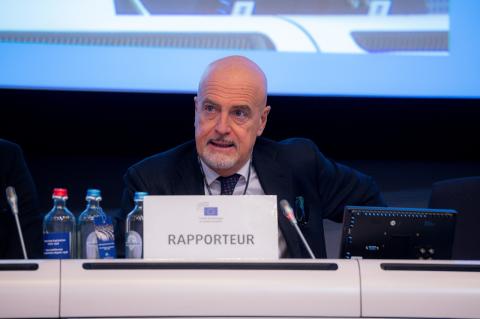
The Global Gateway initiative aims to secure the EU's open strategic autonomy, but must be based on impact assessments, as underlined by the European Economic and Social Committee in its opinion adopted at its December plenary. The EESC proposes to play a more active role in the key stages of the decision-making process for development projects associated with the Global Gateway.
The Global Gateway strategy pledges to mobilise up to EUR 300 billion in investments between 2021 and 2027 to fight climate change; improve digital, energy and transport connectivity; and strengthen health, education and research infrastructure worldwide.
However, the EESC stresses that investment programmes within the Global Gateway initiative must be based on impact assessments, ensuring democratic ownership of development initiatives in partner countries, as well as the economic, social and environmental sustainability of the projects. At the same time, it expresses reservations about projects financed by other EU funds, which could deviate from the standard monitoring process due to a lack of clarity of the procedures for assessing the impact of each project.
EESC member and opinion rapporteur Stefano Palmieri highlighted the need for Global Gateway projects to respect a number of principles and objectives, stating that "compliance with EU values and the submission of detailed impact assessments are important for ensuring the sustainability of these projects".
At the same time, the Committee regrets the lack of meaningful involvement of local European stakeholders in the overall development process. The EESC would like to play a more active role in the key stages of the decision-making process for development projects associated with the Global Gateway, starting with the organisation of regular meetings between the Global Gateway Committee and civil society organisations and social partners. (mt)