With less than half of Europeans in possession of basic digital skills, the EU will need a skills revolution to enable a smooth transition to a digital and green economy and – more importantly – to ensure that no-one is left behind
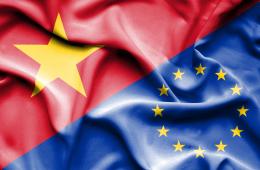
In the 23rd hybrid meeting of the EU Domestic Advisory Group (DAG) under the EU-Korea Free Trade Agreement (FTA), which was the first EU DAG meeting after the Civil Society Forum with the Korean counterparts, all participants underlined the importance of the ratification of three fundamental ILO conventions by the Republic of Korea in April 2021. This ratification by the Korean government sends an important message to the other countries of the Asian region, providing a strong incentive for them to ratify the ILO core conventions at an early stage of their engagement in FTA negotiations with the EU.
The EU and Member States must do more to promote the legal capacity of all persons with disabilities (PWD) to guarantee their fundamental rights. Governments must support autonomous decision-making and reject the regressive protocol to the Oviedo Convention
The pandemic has made it even more urgent to address the new challenges for health and safety at work. Enhanced social dialogue is required to guarantee better standards in teleworking and, more generally, in the digital environment
Through increased transatlantic dialogue, the Trade and Technology Council and the upcoming Summit for Democracy, the United States and the European Union have reached out to each other to jointly face global and internal challenges, and build a strong partnership on the basis of common democratic values.
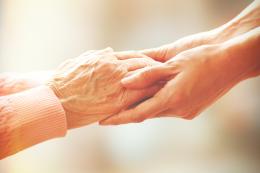
The excessive mortality rates during this pandemic crisis have revealed structural and systemic problems in the nursing home care model. In addition, the rise in life expectancy and the consequent increase in the number of older persons in the years to come, point out the need to reform the care model. How to guarantee improved accessibility, affordability and quality of care, as well as an adequate number of care workers with improved working conditions, are among the key challenges identified during the EESC hearing "Towards a new care model for the elderly: learning from the Covid-19 pandemic".
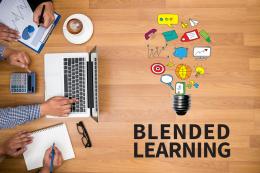
The EESC supports the European Commission’s proposals to expand blended learning in schools and training, in particular their focus on ensuring inclusive high-quality education. However, concerns remain regarding social inequalities, early school leaving and children's socialisation, and on risks to young children's education, teachers' working conditions and public education.
An event organised by the European Economic and Social Committee (EESC) investigated what measures other than gross domestic product (GDP) could help the EU recover successfully and build a sustainable and resilient economy.
A post-pandemic industrial strategy to ensure a strong recovery must include civil society, stresses the EESC in a newly adopted report on the draft new EU industrial strategy. It must focus on sustainability and wellbeing, measure social impacts and promote an efficient, accessible healthcare system.