
European Economic
and Social Committee
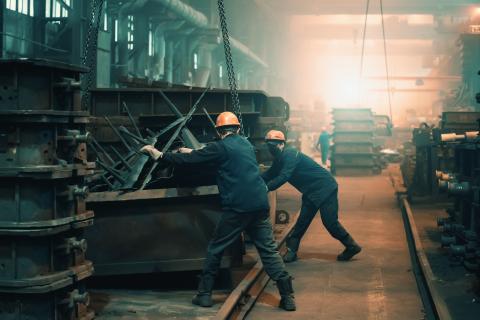
At its December 2025 plenary, the EESC adopted an own‑initiative opinion urging the EU to formally recognise permanent materials – steel, aluminium and glass – as key to a truly circular economy.
These materials retain their properties through endless recycling, delivering major climate and resource savings: recycling aluminium cuts energy use by 95% and reduces emissions from 15.1 tonnes of CO₂ per tonne of primary aluminium to just 0.52 tonnes. Rapporteur Andrea Mone highlighted the social dimension of the transition, stating ‘We need access to up‑skilling and re‑skilling to facilitate smooth job transitions and enable workers to benefit from the circular economy.’ Co‑rapporteur Michal Pintér called for stronger policy action, saying ‘We need concrete legislation to move from slogans to practical and viable models.’
Why permanent materials matter
Permanent materials allow circular, closed‑loop recycling without quality loss, unlike materials that degrade with each cycle. High recycling rates already show their potential: tinplate packaging exceeds 80% recycling in several Member States, and every 10% rise in recycled glass content cuts energy use by 3% and CO₂ emissions by 5%. These gains make permanent materials key to meeting EU climate‑neutrality goals while reducing dependence on virgin raw materials.
What must change
The EESC stresses that the EU needs clearer legislation to distinguish permanent from non‑permanent materials and set ambitious recycling and collection targets. Achieving 90% separate collection of packaging waste by 2030, harmonising extended producer responsibility systems, investing in modern recycling infrastructure and improving consumer participation are key priorities. The Committee also emphasises that the circular transition must be socially fair, ensuring access to training, job‑to‑job support and strong social dialogue as new circular business models emerge. (gb)