The EESC issues between 160 and 190 opinions and information reports a year.
It also organises several annual initiatives and events with a focus on civil society and citizens’ participation such as the Civil Society Prize, the Civil Society Days, the Your Europe, Your Say youth plenary and the ECI Day.
Here you can find news and information about the EESC'swork, including its social media accounts, the EESC Info newsletter, photo galleries and videos.
The EESC brings together representatives from all areas of organised civil society, who give their independent advice on EU policies and legislation. The EESC's326 Members are organised into three groups: Employers, Workers and Various Interests.
The EESC has six sections, specialising in concrete topics of relevance to the citizens of the European Union, ranging from social to economic affairs, energy, environment, external relations or the internal market.
CANCELLED / The 6th meeting of the EU-Georgia Domestic Advisory Group will take place on 30 March 2020 in Brussels. Please click on the programme tab to consult the topics on the agenda.
The European Economic and Social Committee (EESC) and Serbia held the 10th meeting of their Civil Society Joint Consultative Committee (JCC) at the EESC in Brussels. This civil society platform between the EESC and civil society in Serbia was established within the institutional framework of the EU-Serbia Stabilisation and Association Agreement (SAA) in order to allow civil society organisations on both sides to monitor the country's accession negotiations. It is also a platform to discuss issues of common interest and to inform the public at large of the challenges ahead during the accession period. Besides the current state of play in EU-Serbia relations and the accession process, main topics of the 10th JCC meeting were: Effects of economic and industrial reforms on the quality of life of citizens, Green Agenda for the Western Balkans, civil society point of view and theoverview of the civil society situation in Serbia. A common declaration of the JCC was issued after the meeting.
The Civil Society Platform complements the political bodies existing within the framework of the EU-Georgia Association Agreement, and it allows civil society organisations from both sides to monitor the implementation process and prepare their recommendations to the relevant authorities both in Georgia as well as in the European Union.
The 6th meeting of the EU-Georgia Civil Society Platform took place place on 26 February 2020 Brussels. During the meeting, a debate was held assessing the state of play of the implementation of the EU-Georgia Association Agreement. Constitutional reform in Georgia and occupational safety and health at workplace were also discussed.
During the meeting, the EU DAG discussed with representatives of the European Commission and a representative of the Mission of Canada to the EU the progress in work on implementation of the EU-Canada CETA. The Group exchanged views on the reports. Discussions on the preparation for the workshop on the occasion of the 2nd Joint meeting of the EU-Canada DAGs were also held.
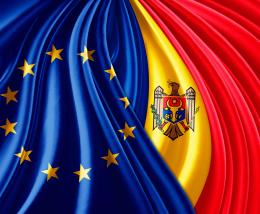
The 6th meeting of the EU-Moldova Civil Society Platform took place on 13 February 2020 in Chisinau in Moldova. During the meeting, a debate was held assessing the state of play of the implementation of the EU-Moldova Association Agreement. Social aspects of the implementation of the Association Agreement and Moldovan initiatives in justice sector and fighting corruption were discussed. Platform members also took stock of the Association Agenda EU-Moldova 2017-2019.
During its mission to Japan, the EU-Japan Follow-up Committee relied on its former work in order to further strengthen its cooperation with its well-established network of organisations.
Examples of involvement of economic and social stakeholders and other actors to contribute to sustainable trade
Event type
Meeting
Location
Tokyo
Japan
The symposium was introduced by a presentation of an external speaker and followed by a Q&A-session. In the first session, focus was on the consultation of civil society in the context of policy and legislation development and implementation, including in the context of trade policy, trade agreements and Trade and Sustainable Development chapters. The participants had the possibility to share information on how civil society functions and is consulted in the respective countries. The second session was a networking coffee, and the participants were given the possibility to discuss the involvement of economic and social stakeholders and other actors to contribute to sustainable trade. The aim of the discussions was to share experience and build the ground for future cooperation.
During the meeting, the members of the EU Domestic Advisory Group (EU DAG), composed of representatives of employers' organisations, trade unions and various interest groups, will adopt its rules of procedure and confirm the composition of the EU DAG. Discussions will also take place on the preparation of the participation of the EU DAG in the Joint Dialogue with Civil Society, which will be organised in Tokyo on 31 January in the framework of the EU-Japan Economic Partnership Agreement (EPA).
The 16th meeting of the EU Advisory Group for the EU-Central America Association Agreement took place on 19 December 2019 in Brussels. Please click on the programme tab to consult the topics on the agenda.