
European Economic
and Social Committee
Op de eerste “biodag” van de EU onderstreept het EESC het belang van duurzamere, eerlijkere en meer inclusieve voedselsystemen
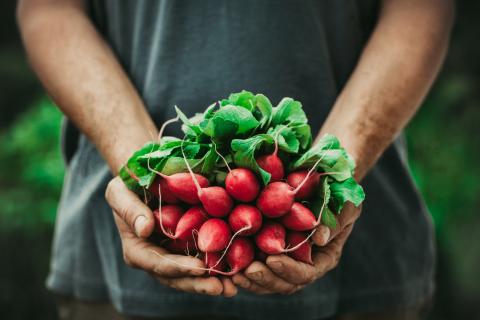
Nu Europa na de COVID-19-crisis langzaam weer op het goede spoor komt, is het hoog tijd om de daad bij het woord te voegen en de “van boer tot bord”-strategie ten uitvoer te leggen. Het EESC pleit er krachtig voor om de transformatie van de Europese voedselsystemen te ondersteunen, zodat deze vanuit ecologisch, economisch en sociaal oogpunt duurzamer worden. Het wijst er ook op dat samenwerking (in plaats van concurrentie) tussen actoren in de voedselketen essentieel is om werk te maken van een veerkrachtiger en inclusiever voedselsysteem dat eenieder een billijk aandeel garandeert.
De Europese Unie heeft op 23 september 2021 de eerste “EU-biodag” gehouden en het EESC heeft onlangs adviezen uitgebracht over het Actieplan voor de ontwikkeling van de biologische productie in de EU en over het thema Naar een eerlijke voedselvoorzieningsketen.
Voor besluitvormers dienen zich grote kansen aan om de noodzakelijke veranderingen door te voeren. De implementatie van een alomvattend voedselbeleid is op een cruciaal moment aanbeland.
Met het streven om het areaal landbouwgrond voor biologische landbouw in de EU te verhogen van 8,5 % naar 25 % wordt de lat behoorlijk hoog gelegd.
Als onderdeel van de Europese Green Deal heeft de Commissie in het kader van de “van boer tot bord”-strategie en de biodiversiteitsstrategie de doelstelling vastgelegd dat tegen 2030 minstens 25 % van de landbouwgrond in de EU gebruikt moet worden voor biologische landbouw.
“Voor de biologische landbouw is een rol weggelegd bij de verwezenlijking van de doelstellingen van de Europese Green Deal. Essentieel daarbij is een marktgerichte aanpak om ervoor te zorgen dat de vraag van de consumenten naar biologische producten verder stijgt en dat ze er ook nog meer vertrouwen in krijgen”, aldus Andreas Thurner, rapporteur voor het EESC-advies over biologische productie.
Het EESC benadrukt wel dat er voldoende geld moet worden uitgetrokken om te bewerkstelligen dat alle EU-burgers kunnen profiteren van de voordelen van deze grootscheepse omschakeling op biologische landbouw. (mr)