EESK atzinums par tematu“Tiesību aktu kopums “Demokrātijas un vēlēšanu integritātes stiprināšana””, ko pieņēma februāra plenārsesijā, tika sagatavots īstajā brīdī, jo populistiski viedokļi un antidemokrātiska retorika Eiropā izskan arvien biežāk. Manipulatīva informācija, iejaukšanās un viltus ziņas, ko izplata “boti” un “troļļi”, varētu radīt “casus belli” aizbildinājumu, kā mēs to pieredzējām pavisam nesen. EESK atzinīgi vērtē Eiropas vēlēšanu tiesību aktu kopuma mērķus un nāk klajā ar ieteikumiem, ko vēl varētu darīt, lai nodrošinātu pārredzamu, pieejamu un godīgu politisko darbību un aktīvu pilsoniskās sabiedrības lomu.
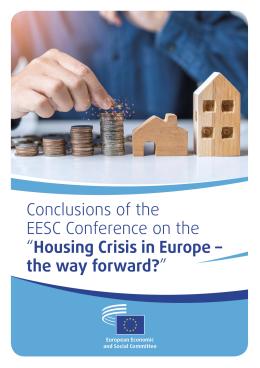
On 20 February 2024 in Brussels, the EESC organised a conference on the Housing Crisis in Europe. This publication sets out the participants' assessment of the current state of affairs and their recommendations on how to tackle the current housing crisis.
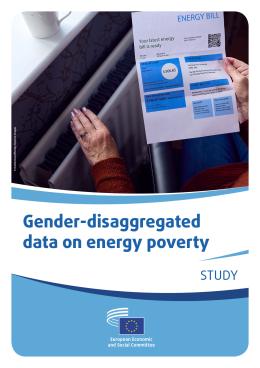
Recent economic shocks from the COVID-19 pandemic and the energy crisis in Europe following Russia’s invasion of Ukraine have brought energy poverty to the forefront of social and political debate. While EU policies increasingly address energy poverty, gender considerations remain overlooked. This study addresses this gap and aims to increase the understanding of the gender-energy poverty nexus, analysing existing literature and EU and national policies.
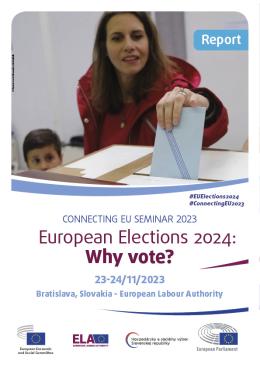
This brochure brings you the highlights of the EESC's Connecting EU 2023 seminar, held in Bratislava in November 2023 under the title "European Elections 2024: Why vote?"
The 2023 edition of the EESC's annual European Citizens' Initiative (ECI) Day took place on 8 June. Participants in Brussels and online joined us to discuss how to upskill citizens for a successful ECI with impact.
We want a European Union that delivers for the many, not for the few: that is social, democratic and progressive. We will work towards a EU that protects and enables workers and other citizens and provides secure and fair perspectives for all by tackling the challenges of globalization, digitalization and climate change in a coherent way...
Declaration of the Workers' Group - Elections 2019
EESC resolution urges civil society to turn out in force at European elections and vote for a united Europe The EESC's plenary session on 15 May adopted a resolution calling on all EU citizens to turn out at the forthcoming European elections and vote in favour of a united Europe. The Committee also invited civil society organisations to join efforts to mobilise voters.
Resolution - Let's turn out and vote for a united Europe
This report presents the state of play of the implementation of the right of European Union (EU) citizens with disabilities to vote in elections to the European Parliament (EP). The European Economic and Social Committee (EESC), an EU advisory body, believes it has a duty, in the run-up to the EP elections, to provide EU institutions, Member States and EU citizens with a full picture of how this right is actually implemented. The EESC hopes that at the next elections in 2024, no EU citizen will be deprived of their right to vote because of their disability.