
European Economic
and Social Committee
Beart a dhéanamh chun an bhearna pá idir na hinscní a dhúnadh roimh 2104
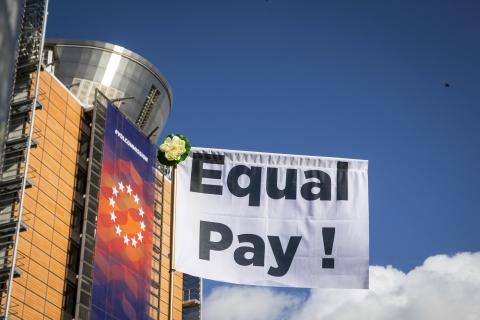
Le Grúpa na nOibrithe in CESE
Ar an meán, tuileann mná 14 % níos lú ná fir san Eoraip. Cé go bhfuil cursaí ag dul i bhfeabhas de réir a chéile i dtíortha áirithe, is in olcas atá cúrsaí ag dul i dtíortha eile. Táthar ag súil go ndúnfar an bhearna faoin 22ú haois, nó mar sin, san Aontas Eorpach ach i dtíortha amhail an Fhrainc, meastar go nglacfaidh sé míle bliain eile chun é sin a bhaint amach.
Is iomaí cúis atá leis an mbearna pá: leithscaradh earnála (tá i bhfad níos mó ban ag obair in earnálacha lena mbaineann pá íseal); cothromaíocht oibre is saoil (caitheann mná níos mó ama i mbun oibre gan íocaíocht sa bhaile); an tsíleáil ghloine (ní mná iad ach níos lú ná 10 % de Phríomhoifigigh Fheidhmiúcháin); agus idirdhealú soiléir, d’ainneoin an dlí.
D’fhonn cuidiú le haghaidh a thabhairt ar an mbearna pá idir na hinscní agus deireadh a chur leis an idirdhealú pá, d’eisigh an Coimisiún togra maidir le Trédhearcacht Pá, lena ngabhann sásraí um fhorfheidhmiú chun cur i bhfeidhm phrionsabal an phá chomhionainn as obair chomhionann nó obair ar comhionann a luach a neartú. Airítear sa togra an coincheap bunúsach atá dírithe ar rialacha ceangailteacha maidir le trédhearcacht pá agus beartaítear leis freisin an rochtain ar cheartas a fheabhsú.
Ní hí an trédhearcacht pá an t-aon uirlis, ná baol air, trínar féidir an t-idirdhealú pá a chomhrac ach, bíodh sin mar atá, is léir gur gá a bheith in ann struchtúir inscnechlaonta a shainaithint má táthar chun aghaidh a thabhairt ar dhifríochtaí pá.
Tá feabhsuithe ar an togra bunaidh ón gCoimisiún molta ag CESE i dtuairim dá chuid ina n-iarrtar go ndéanfaí an treoir a neartú trína ráthú go bhféadfaidh gach oibriú tairbhiú den bhuntáiste sin, ní hamháin iad siúd atá ag obair i gcuideachtaí móra. Tá rath na mbeart sin ag brath ar fhíor-rannpháirtíocht na gcomhpháirtithe sóisialta.
Is príomhsprioc iad pá níos cothroime a chinntiú agus deireadh a chur leis an idirdhealú pá chun cearta bunúsacha na n-oibrithe go léir san Eoraip a chosaint.