
European Economic
and Social Committee
En styrkelse af euroens internationale rolle er vigtig for at fremme Europas globale position
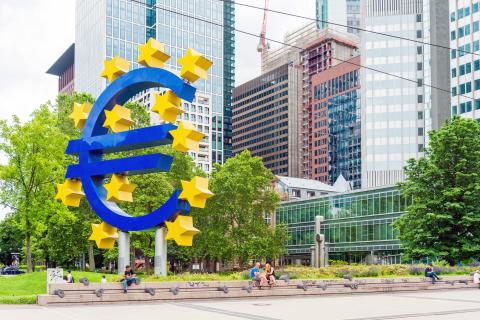
EU er nødt til at sætte sig ambitiøse økonomiske mål for at styrke euroen. I kraft af de hastige forandringer i den globale økonomi og EU's nuværende position inden for innovation, konkurrenceevne og fremme af investeringsvenlige reguleringsmæssige rammer er det vigtigere nu end nogensinde før.
I en udtalelse, der blev vedtaget på plenarforsamlingen i juni 2021 , glædede EØSU siger over Kommissionens meddelelse om EU's økonomiske og finansielle system: fremme af åbenhed, styrke og modstandsdygtighed. I takt med at omstillingen efter pandemien vil udløse en markant forskydning i den globale økonomiske magtbalance, bør EU handle hurtigt for at øge Europas økonomiske modstandskraft. Navnlig er EØSU enig i behovet for at styrke euroens internationale rolle som et centralt instrument til at styrke Europas globale position.
Tomasz Wróblewski (Gruppe I, Arbejdsgivergruppen) var ordfører for EØSU's udtalelse. Han mener, at Kommissionen bør fokusere mere på årsagerne til euroens svækkede internationale rolle. Han sagde, at euroens position svækkes globalt, men ikke så hurtigt som dollarens. Det ændrer ikke det faktum, at euroens position påvirkes af forskellige ting. Først og fremmest manglen på et integreret fælles marked for finansielle tjenesteydelser. Uden fuldførelsen af bankunionen og kapitalmarkedsunionen vil det være svært for os at konkurrere med dollaren.
EØSU anbefaler også større opmærksomhed på Kinas hurtigt voksende økonomi og opfordrer til en handlingsplan, der tager højde herfor. Den kinesiske renminbis rolle vokser inden for international handel og clearing. Kina arbejder også intenst på sin digitale valuta og er her foran størstedelen af verden. EU skal reagere hurtigt, og EØSU støtter forslaget om at oprette en digital euro. Tomasz Wróblewski understregede, at Europa på dette område kan have mere attraktive løsninger i kraft af vores forpligtelse til beskyttelse af personoplysninger og brugernes privatliv. (na)