
European Economic
and Social Committee
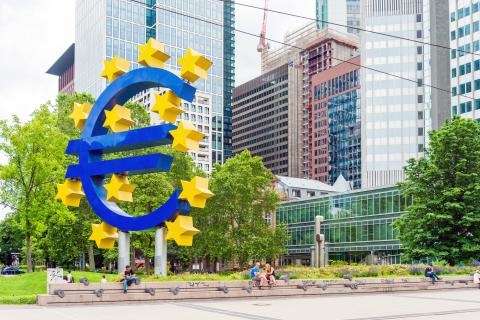
The EU needs to set ambitious economic objectives to strengthen the euro. This has become even more important given the pace of change in the global economy and the EU's current position in terms of innovation, competitiveness and fostering an investment-friendly regulatory environment.
In an opinion adopted at its June 2021 plenary session, the EESC welcomed the European Commission's Communication on The European economic and financial system: fostering openness, strength and resilience. As the post-pandemic transformation is causing a significant shift in the global balance of economic power, the EU should act swiftly to increase Europe's economic resilience. In particular, the EESC agrees with the need to strengthen the international role of the euro as a key tool for enhancing Europe's global position.
Tomasz Wróblewski was rapporteur for the EESC opinion. He thinks that the Commission should focus more on the reasons for the euro's weakening international role. "The global position of the euro is diminishing, but not as rapidly as that of the dollar," he said. "This does not change the fact that the position of the euro is affected by different things. Firstly, the lack of an integrated, common market for financial services. Without the completion of the Banking Union and of the Capital Markets Union it will be hard for us to compete with the dollar."
The EESC also recommends paying more attention to the rapidly growing economy of China and calls for an action plan that takes this into account. The role of the Chinese renminbi is growing in international trade and clearing. China is also working intensively on its digital currency, leaving most of the world behind. The EU must respond quickly and the EESC supports the proposal to create a digital euro. "In this domain," points out Mr Wróblewski, "Europe may have more attractive solutions, given our commitment to the protection of personal data and user privacy." (na)