
European Economic
and Social Committee
Det europæiske semester: bred høring af det organiserede civilsamfund fremhæver behovet for en gennemgribende reform
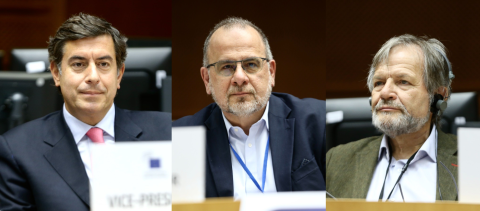
EØSU har gentaget sin opfordring til en revision af det europæiske semester og har efterlyst en EU-forordning, der gør det obligatorisk at inddrage civilsamfundet i processen.
I en udtalelse, der blev drøftet og vedtaget på plenarforsamlingen i april, understreger EØSU, at økonomiske reformer bør bygge på sociale faktorer og ikke længere kun på økonomiske indikatorer. Udvalget understreger endvidere, at processen med landespecifikke henstillinger også skal revideres for at tilskynde medlemsstaterne til at gå i spidsen med hensyn til at gennemføre dem.
Det europæiske semester er den årlige cyklus på seks måneder med økonomisk, social og finanspolitisk koordinering mellem medlemsstaterne og overvågning af de nationale genopretnings- og resiliensplaner. Semestret har spillet en vigtig rolle, siden det blev indført i 2011, men det har også udvist betydelige svagheder.
I denne udtalelse gentager EØSU sin opfordring til en reform af det europæiske semester for at gøre det mere gennemsigtigt og demokratisk, styrke inddragelsen af det organiserede civilsamfund og øge dets effektivitet. EØSU anbefaler:
- at revidere og supplere de eksisterende indikatorsystemer og bringe dem i overensstemmelse med hinanden, hvilket vil bidrage til at forbedre evalueringsprocedurerne
- at lade de landespecifikke henstillinger, der er et af de vigtigste instrumenter i semestret, dække en periode på tre år med årlige evalueringer og revisioner og knytte deres gennemførelse og finansiering til EU-budgettet som det mest hensigtsmæssige incitament til at sikre deres gennemførelse
- at inddrage arbejdsmarkedets parter og civilsamfundets organisationer gennem en struktureret formel høringsprocedure og et specifikt organ, som er tildelt denne opgave juridisk. De eksisterende nationale økonomiske og sociale råd bør også spille en rolle i denne proces
- at fastlægge principperne for og de generelle karakteristika ved en struktureret og permanent inddragelse af det organiserede civilsamfund i de forskellige faser af det europæiske semester i en EU-forordning.
Hele udtalelsen (tk)