European Economic
and Social Committee
European Economic
and Social Committee
The European Economic and Social Committee (EESC) is the voice of organised civil society in Europe.
Find out more about its role and structure at http://www.eesc.europa.eu/en/about
The EESC issues between 160 and 190 opinions, evaluation and information reports a year.
It also organises several annual initiatives and events with a focus on civil society and citizens’ participation such as the Civil Society Prize, the Civil Society Days, the Your Europe, Your Say youth plenary and the ECI Day.
Find the latest EESC opinions and publications at http://www.eesc.europa.eu/en/our-work/opinions-information-reports/opinions and http://www.eesc.europa.eu/en/our-work/publications-other-work/publications respectively.
The EESC is active in a wide range of areas, from social affairs to economy, energy and sustainability.
Learn more about our policy areas and policy highlights at http://www.eesc.europa.eu/en/policies
The EESC holds nine plenary sessions per year. It also organises many conferences, public hearings and high-level debates related to its work.
Find out more about our upcoming events at http://www.eesc.europa.eu/en/agenda/our-events/upcoming-events
Here you can find news and information about the EESC'swork, including its social media accounts, the EESC Info newsletter, photo galleries and videos.
Read the latest EESC news http://www.eesc.europa.eu/en/news-media/news and press releases http://www.eesc.europa.eu/en/news-media/press-releases
The EESC brings together representatives from all areas of organised civil society, who give their independent advice on EU policies and legislation. The EESC's326 Members are organised into three groups: Employers, Workers and Various Interests.
Find out more about our Members and groups at http://www.eesc.europa.eu/en/members-groups
The EESC has six sections, specialising in concrete topics of relevance to the citizens of the European Union, ranging from social to economic affairs, energy, environment, external relations or the internal market.
Find out more at http://www.eesc.europa.eu/en/sections-other-bodies
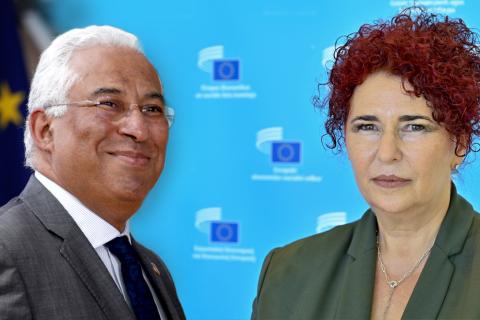
Portugāles premjerministrs António Costa EESK 27. janvārī notikušajā plenārsesijā prezentēja savas valsts prioritātes prezidentūrai ES Padomē. Portugāle sociālo programmu ir iekļāvusi savas prezidentūras programmas svarīgāko jautājumu vidū un aicina EESK sniegt ekspertskatījumu par septiņiem Eiropas Savienības nākotnei svarīgiem tematiem.
Prezidentvalsts Portugāles devīze ir “Laiks gūt rezultātus – taisnīga, zaļa un digitāla atlabšana”, un uzmanību tā koncentrēs uz trijām galvenajām prioritātēm, kas ir šādas: veicināt atlabšanu, balstoties uz klimatisko un digitālo pārkārtošanos; īstenot Eiropas sociālo tiesību pīlāru; stiprināt Eiropas autonomiju, vienlaikus saglabājot atvērtību pasaulei.
"Šīs prioritātes precīzi saskan ar mūsu Komitejas prioritātēm: mēs atbalstām Eiropas Savienību, kas ir ekonomiski pārtikusi, sociāli iekļaujoša un kuras vide ir ilgtspējīga," norādīja EESK priekšsēdētāja Christa Schweng.
"Cīņa pret Covid-19 pandēmiju ir apliecinājusi to, kāda ir Eiropas Savienības pievienotā vērtība. Vakcinācijas procesa sākšanās, no vienas puses, un daudzgadu finanšu shēmas un programmas “Next Generation EU” apstiprināšana, no otras puses, ir devusi jaunas cerības un vārdam “kopiena” piešķīrusi jaunu nozīmi,” šādi uzsvarus saliek Costa.
Prezidentvalsts Portugāles galvenais pasākums Sociālais sammits paredzēts 7. maijā Porto.
"Tā galvenais mērķis ir dot spēcīgu impulsu rīcības plānam, kuru Komisija prezentēs martā un īstenot ES sociālo tiesību pīlāru, kas ir vislabākā vakcīna pret sociālo nevienlīdzību, populismu un bailēm," viņš piebilda.
Premjerministrs arī norādīja, ka šā būtiskā mērķa sasniegšanas nolūkā prezidentvalsts Portugāle rēķinās ar spēcīgu EESK ieguldījumu un aktīvu līdzdalību. Prezidentvalsts ir lūgusi EESK sniegt ekspertviedokli par septiņiem ES nākotnei svarīgiem tematiem. (mr)