
European Economic
and Social Committee
È tempo di ottenere risultati e di dare un nuovo significato alla parola "comunità"
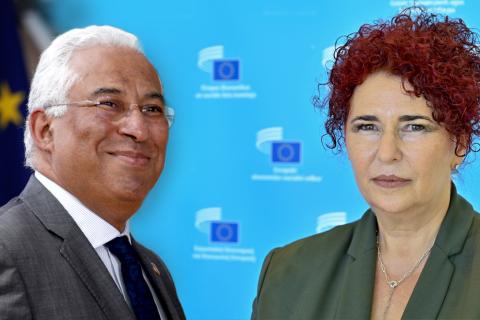
Il 27 gennaio il primo ministro del Portogallo, António Costa, ha presentato le priorità della presidenza portoghese dell'UE alla sessione plenaria del CESE. Il Portogallo ha messo l'agenda sociale al primo posto nel programma della sua presidenza e ha chiesto al CESE di mettere a disposizione le sue competenze su sette temi chiave per il futuro dell'UE.
All'insegna del motto "Tempo di agire: per una ripresa equa, verde e digitale", la presidenza si concentrerà su tre priorità principali: promuovere una ripresa dell'Europa che faccia leva sulle transizioni climatica e digitale; attuare il pilastro europeo dei diritti sociali; rafforzare l'autonomia dell'Europa pur rimanendo aperti al mondo.
"Le priorità della presidenza sono in perfetta sintonia con quelle del nostro Comitato: noi siamo per un'Unione europea economicamente prospera, socialmente inclusiva e sostenibile sotto il profilo ambientale", ha dichiarato la Presidente del CESE Christa Schweng.
"La lotta contro la pandemia di COVID-19 ha dimostrato il valore aggiunto dell'Unione europea. L'inizio della campagna vaccinale da un lato e l'approvazione del QFP e del programma Next Generation EU dall'altro ci offrono dei buoni motivi per sperare e hanno dato un nuovo significato alla parola 'comunità'", ha osservato Costa.
L'evento centrale della presidenza portoghese sarà il vertice sociale in programma a Oporto il 7 maggio.
"L'obiettivo principale del vertice è dare un forte impulso politico al piano d'azione che la Commissione presenterà a marzo e attuare il pilastro europeo dei diritti sociali, che rappresenta il vaccino più efficace contro le disuguaglianze sociali, il populismo e la paura", ha sottolineato.
Il primo ministro ha anche dichiarato che, per realizzare quest'obiettivo fondamentale, la presidenza portoghese fa affidamento sul contributo essenziale e sulla partecipazione attiva del CESE. La presidenza ha chiesto al CESE di mettere a disposizione le sue competenze su sette temi chiave per il futuro dell'UE. (mr)