
European Economic
and Social Committee
Es ist an der Zeit, zu handeln und den Begriff „Gemeinschaft“ neu zu beleben
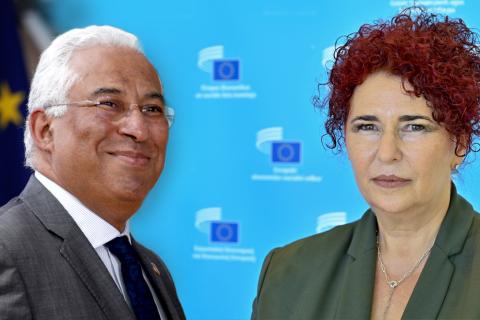
Am 27. Januar hat der portugiesische Premierminister António Costa auf der EWSA-Plenartagung die Prioritäten des portugiesischen Ratsvorsitzes der EU vorgestellt. Portugal hat die Sozialagenda ganz oben auf das Programm seines Vorsitzes gesetzt und den EWSA um seine Expertise zu sieben wichtigen Themen für die Zukunft der EU ersucht.
Unter dem Motto „Zeit zu handeln: ein fairer, grüner und digitaler Aufschwung“ wird sich der Vorsitz drei Schwerpunktbereichen widmen: Förderung einer durch den Klimawandel und den digitalen Wandel ausgelösten Erholung, Umsetzung der europäischen Säule sozialer Rechte und Stärkung der Autonomie Europas bei gleichzeitiger Weltoffenheit.
„Diese Prioritäten stimmen perfekt mit den Prioritäten unseres Ausschusses überein: Wir sind für eine wirtschaftlich prosperierende, sozial inklusive und ökologisch nachhaltige EU“, so EWSA-Präsidentin Christa Schweng.
„Der Kampf gegen die COVID-19-Pandemie hat den Mehrwert unserer Europäischen Union unter Beweis gestellt. Der Startschuss für die Impfkampagne auf der einen und die Annahme des MFR und des Programms NextGenerationEU auf der anderen Seite haben uns Anlass zur Hoffnung gegeben und dem Begriff ,Gemeinschaft‘ eine neue Bedeutung verliehen“, betonte António Costa.
Der Höhepunkt des portugiesischen Ratsvorsitzes wird der für den 7. Mai in Porto geplante Sozialgipfel sein.
„Der Gipfel bezweckt vor allem starke politische Impulse für den Aktionsplan, den die Kommission im März vorlegen wird, sowie für die Umsetzung der europäischen Säule sozialer Rechte – die wirksamste Impfung gegen Ungleichheit, Populismus und Angst“, erklärte er weiter.
Der Premierminister unterstrich überdies, dass der portugiesische Ratsvorsitz mit Blick auf die Erreichung dieses maßgeblichen Ziels auf den wichtigen Beitrag und die aktive Beteiligung des EWSA zähle. Der Vorsitz hat den EWSA um seine Expertise zu sieben wichtigen Themen für die Zukunft der EU ersucht. (mr)