
European Economic
and Social Committee
Coronavirus crisis: EESC says EU companies should rethink their business model
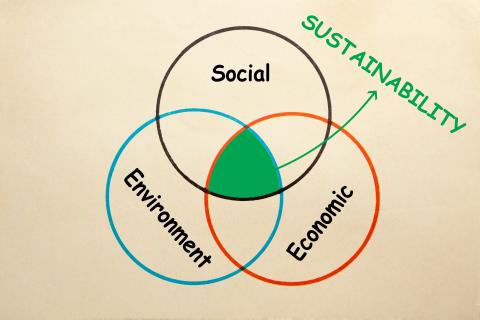
The European Economic and Social Committee (EESC) points out that the COVID-19 crisis is an opportunity to change the way we do business, without moving away from the long-term objectives of a green, sustainable and social Europe.
We need to change the way we do business in Europe and the world, but the EU's long-term goals for sustainable economic growth should remain the pillars of our future in spite of the COVID‑19 crisis. In its opinion on Enhancing sustainable economic growth across the EU, drafted by Philip von Brockdorff and adopted at the July plenary session, the Committee underlines that the crisis is an opportunity to rethink and improve the way EU companies do business. It must not be an excuse to undermine the objectives set in the European Green Deal, the 2020 Sustainable Growth Strategy and the European Pillar for Social Rights.
During the plenary debate, Mr von Brockdorff said that the economic problems brought about by the coronavirus crisis call for a change in the modus operandi of businesses within the EU and across the globe. Supply chains have proved vulnerable and need to be secured. EU operators need to rethink their supply-chain strategies, focusing on diversification and realignment of supply chains across multiple sectors. Some form of sectoral deglobalisation is also needed, at least for EU companies producing essential goods, which should consider moving their manufacturing plants back to Europe
.
In order to make sustainable growth happen in the next few years, we need to re-jig the European economy keeping in mind the keystones of environmental sustainability, productivity gains, fairness, social progress and macroeconomic stability.
The European Union needs to play a more prominent role in world trade. This is key for EU companies and their business prospects. For global firms operating in a global marketplace, a level playing field in a wide range of aspects is also essential, such as international labour standards, fair competition and compliance with climate change targets.
During the coronavirus crisis, public support at national level has become more and more important. According to the EESC, sustainable growth can only be enhanced if there are clear public rules in all areas of economic activity and if environmental protection is mainstreamed into it.
Against this backdrop, in order to set the economic compass, it is important to keep the dialogue with the social partners and civil society open, as governments will need to find ways to support expenditure for sustainable economic growth on the one hand and, on the other, to ensure long-term fiscal sustainability.
In this respect, aid offered to businesses, both at national and EU level, should only be granted on condition that social progress is made and that the goals set out in the European Green Deal and the 2020 Sustainable Growth Strategy are adhered to.
From a general point of view, an economy can only continue to grow sustainably in the future if its capacity to grow increases, that is if it adds value to the economy itself. This means increasing wages and surpluses, thereby increasing demand in the Single Market, but without infringing on acquired rights such as social protection and collective bargaining.
Innovation, digitalisation and continuously investing in human capital play a vital role in facilitating the transition towards future sustainable economic growth in the EU, and the cornerstone for this must be the creation and development of a truly circular economy.
Circular economy business models maximise value and resource efficiency across the entire chain on the one hand and, on the other, minimise waste. They therefore offer significant potential for fostering European competitiveness, both in terms of safeguarding the natural environment and of creating high‑quality jobs.
Work organisation
Recommended for you
Decision repealing Directive 89/629/EEC
Opinion
SVARĪGĀKIE ASPEKTI EESK norāda: tā kā priekšlikuma saturs ir pilnībā pieņemams un attiecībā uz to nav nepieciešami nekādi Komitejas komentāri, Komiteja ir nolēmusi sniegt pozitīvu atzinumu par…
Sabiedrisko pakalpojumu līdzradīšana veselības nozarē būs ieguldījums līdzdalības demokrātijas stiprināšanā Eiropas Savienībā
News
Šajā pasākumā, ko organizēja Eiropas Ekonomikas un sociālo lietu komiteja (EESK) un Debrecenas Universitāte, tika uzsvērts, cik būtiska ir vispārējas nozīmes pakalpojumu līdzradīšana veselības un…
Eiropas Savienībai ir vajadzīgs rīcības plāns, lai nodrošinātu cenas ziņā pieejamus un kvalitatīvus mājokļus
News
Augsta līmeņa konferencē, ko Rīgā rīkoja Eiropas Ekonomikas un sociālo lietu komiteja (EESK), tika paustas bažas par cenas ziņā pieejamu mājokļu krīzi un izskanēja brīdinājumi, ka Eiropas Savienībai…
RePowerEU Plan
Opinion
SVARĪGĀKIE ASPEKTI: EESK uzskata, ka Eiropas KomisijasREPowerEU plāns ir solis pareizajā virzienā, lai panāktu ES neatkarību no Krievijas gāzes un naftas piegādes; norāda, ka daudzas problēmas,…
Migrantu instrumentalizācija un Ukrainas bēgļu krīze liek no jauna pievērsties migrācijas politikai
News
Valsts finansētā migrantu instrumentalizācija, kuras mērķis ir destabilizēt ES, un pašreizējais karš Ukrainā, kas novedis pie vēl nepieredzēta bēgļu pieplūduma, liek pārskatīt Eiropas migrācijas…