European Economic
and Social Committee
European Economic
and Social Committee
The European Economic and Social Committee (EESC) is the voice of organised civil society in Europe.
Find out more about its role and structure at http://www.eesc.europa.eu/en/about
The EESC issues between 160 and 190 opinions, evaluation and information reports a year.
It also organises several annual initiatives and events with a focus on civil society and citizens’ participation such as the Civil Society Prize, the Civil Society Days, the Your Europe, Your Say youth plenary and the ECI Day.
Find the latest EESC opinions and publications at http://www.eesc.europa.eu/en/our-work/opinions-information-reports/opinions and http://www.eesc.europa.eu/en/our-work/publications-other-work/publications respectively.
The EESC is active in a wide range of areas, from social affairs to economy, energy and sustainability.
Learn more about our policy areas and policy highlights at http://www.eesc.europa.eu/en/policies
The EESC holds nine plenary sessions per year. It also organises many conferences, public hearings and high-level debates related to its work.
Find out more about our upcoming events at http://www.eesc.europa.eu/en/agenda/our-events/upcoming-events
Here you can find news and information about the EESC'swork, including its social media accounts, the EESC Info newsletter, photo galleries and videos.
Read the latest EESC news http://www.eesc.europa.eu/en/news-media/news and press releases http://www.eesc.europa.eu/en/news-media/press-releases
The EESC brings together representatives from all areas of organised civil society, who give their independent advice on EU policies and legislation. The EESC's326 Members are organised into three groups: Employers, Workers and Various Interests.
Find out more about our Members and groups at http://www.eesc.europa.eu/en/members-groups
The EESC has six sections, specialising in concrete topics of relevance to the citizens of the European Union, ranging from social to economic affairs, energy, environment, external relations or the internal market.
Find out more at http://www.eesc.europa.eu/en/sections-other-bodies
President |
|||||||||||
|
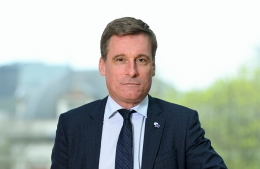
Oliver Röpke, Austria |
|||||||||||
|
|||||||||||
|
Aurel Laurenţiu Plosceanu, Romania President of the Communication Commission (COCOM) |
Krzysztof Pater, Poland President of the Commission for Financial and Budgetary Affairs (CAF) |
||||||||||
|
|||||||||||
|
President of the Employers' Group |
Lucie Studničná, Czech Republic President of the Workers' Group |
President of the Civil Society Organisations' Group |
|||||||||
|
|||||||||||
|
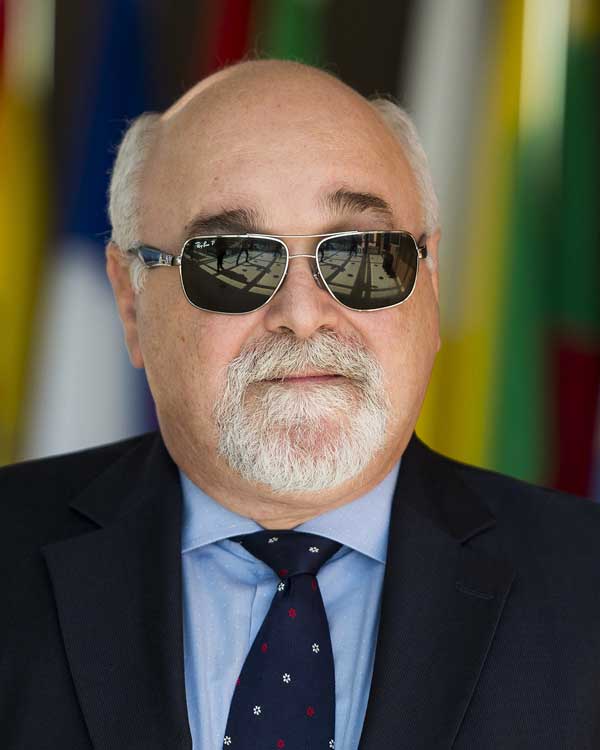
Ioannis Vardakastanis, Greece President of the Section for Economic and Monetary Union and Economic and Social Cohesion (ECO) |
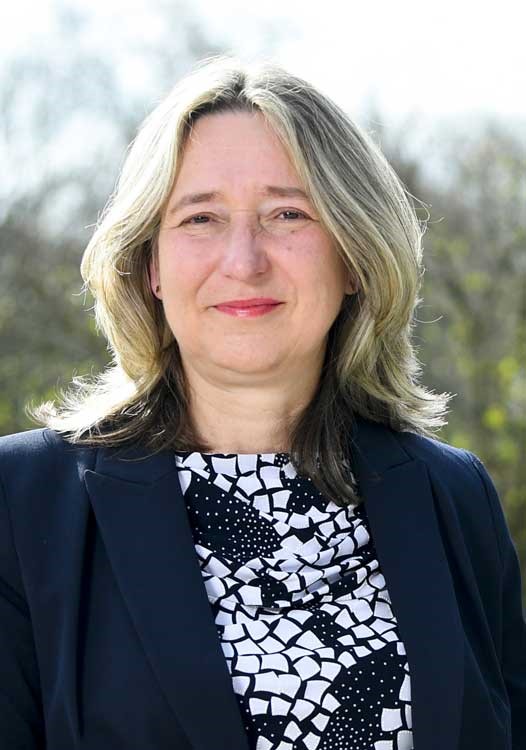
Sandra Parthie, Germany President of the Section for the Single Market, Production and Consumption (INT) |
Dimitris Dimitriadis, Greece President of the Section for External Relations (REX) |
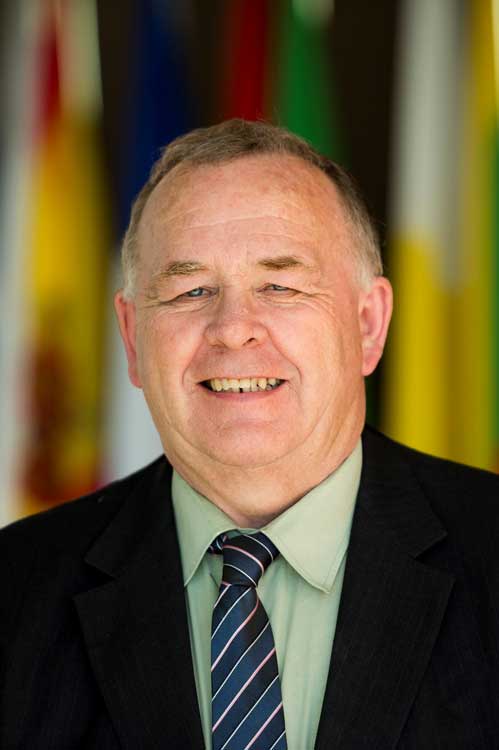
Peter Schmidt, Germany President of the Section for Agriculture, Rural Development and the Environment (NAT) |
||||||||
|
Cinzia Del Rio, Italy President of the Section for Employment, Social Affairs and Citizenship (SOC) |
Baiba Miltoviča, Latvia President of the Section for Transport, Energy, Infrastructure and the Information Society (TEN) |
Pietro Francesco de Lotto, Italy President of the Consultative Commission on Industrial Change (CCMI) |
|||||||||