Newsletter Info

EESC info

European Economic and Social Committee A bridge between Europe and organised civil society

MAY 2023 | EN

SPECIAL ISSUE - THE EESC'S NEW LEADERSHIP
GENERATE NEWSLETTER PDF

Available Languages:

  • BG
  • CS
  • DA
  • DE
  • EL
  • EN
  • ES
  • ET
  • FI
  • FR
  • GA
  • HR
  • HU
  • IT
  • LT
  • LV
  • MT
  • NL
  • PL
  • PT
  • RO
  • SK
  • SL
  • SV
Editorial
Stand up for democracy and speak up for Europeans

Editorial

Dear readers,

It is with great pleasure that I address you as the newly elected president of the European Economic and Social Committee (EESC). I would like to extend my warm wishes to all of you and express my gratitude for the invaluable work that civil society organisations do every day to make our societies better.

Read more in all languages

Dear readers,

It is with great pleasure that I address you as the newly elected president of the European Economic and Social Committee (EESC). I would like to extend my warm wishes to all of you and express my gratitude for the invaluable work that civil society organisations do every day to make our societies better.

As Europe is navigating through the aftermath of the pandemic and grappling with the war of aggression in Ukraine, it is more important than ever to uphold our EU values: democracy, fundamental rights and the rule of law. My political manifesto underscores the significance of these principles and charts a path forward to a more resilient, more inclusive and more democratic EU that will inspire our neighbours near and far.

At the heart of my vision is the belief that civil society organisations are the bedrock of our democracies. You are the vital link between members of the public and decision-makers, channelling their concerns and aspirations into policies for a better future for Europe. The EESC is committed to facilitating dialogue and ensuring that your voices are heard at the highest levels of the European institutions.

Those voices will become so much more important with the European elections coming up in 2024. In this context, I want the EESC to take on a more active role ahead of the elections to engage with voters and increase their participation. The support of civil society organisations – your support – will be key.

Let's not forget that today's decisions are being made to build a strong and just future for the generations to come. I will strive to make the EESC a place where young people can freely express their concerns, ideas and opinions, and where their contributions are valued and acted upon.

As we face complex challenges on the international stage, I believe it is crucial to open the doors of the EESC to our neighbours in the Eastern Partnership and Western Balkans. The future of the European Union is deeply intertwined with the stability and prosperity of those regions, and we must recognise this. By acting as a true civil society gateway for these countries, I want the EESC to help and empower them to fight for freedom, democracy and closer integration.

I am committed to amplifying the voices of civil society during my term of office as EESC president. I encourage you to seize the opportunity and actively engage with the EESC and our initiatives. Together, we can bridge the gap between the public and institutions, ensuring that EU policies are rooted in the real needs and aspirations of the people.

Together, we can stand up for our democracy and speak up for Europeans.

Oliver Röpke
President of the European Economic and Social Committee

New publications

Stand up for democracy – Speak up for Europe

The political manifesto highlights the priorities of the EESC's newly elected President Oliver Röpke for his 2023-2025 mandate, outlining the key ideas and initiatives he plans to put forward to achieve a more resilient, more inclusive and more democratic EU.

Click here to download a copy of the manifesto.

Read more in all languages

The political manifesto highlights the priorities of the EESC's newly elected President Oliver Röpke for his 2023-2025 mandate, outlining the key ideas and initiatives he plans to put forward to achieve a more resilient, more inclusive and more democratic EU.

Click here to download a copy of the manifesto.

VIDEO: Where should the EESC be heading over the next few years?

Watch the video in which EESC members and partners voice their expectations for the second half of the term of office.

Read more in all languages

Watch the video in which EESC members and partners voice their expectations for the second half of the term of office.

EESC News

Democracy to guide the programme of the new EESC president

The president vows to make the European Economic and Social Committee a go-to institution for democratic dialogue and open its doors to the EU accession countries.

Read more in all languages

The president vows to make the European Economic and Social Committee a go-to institution for democratic dialogue and open its doors to the EU accession countries.

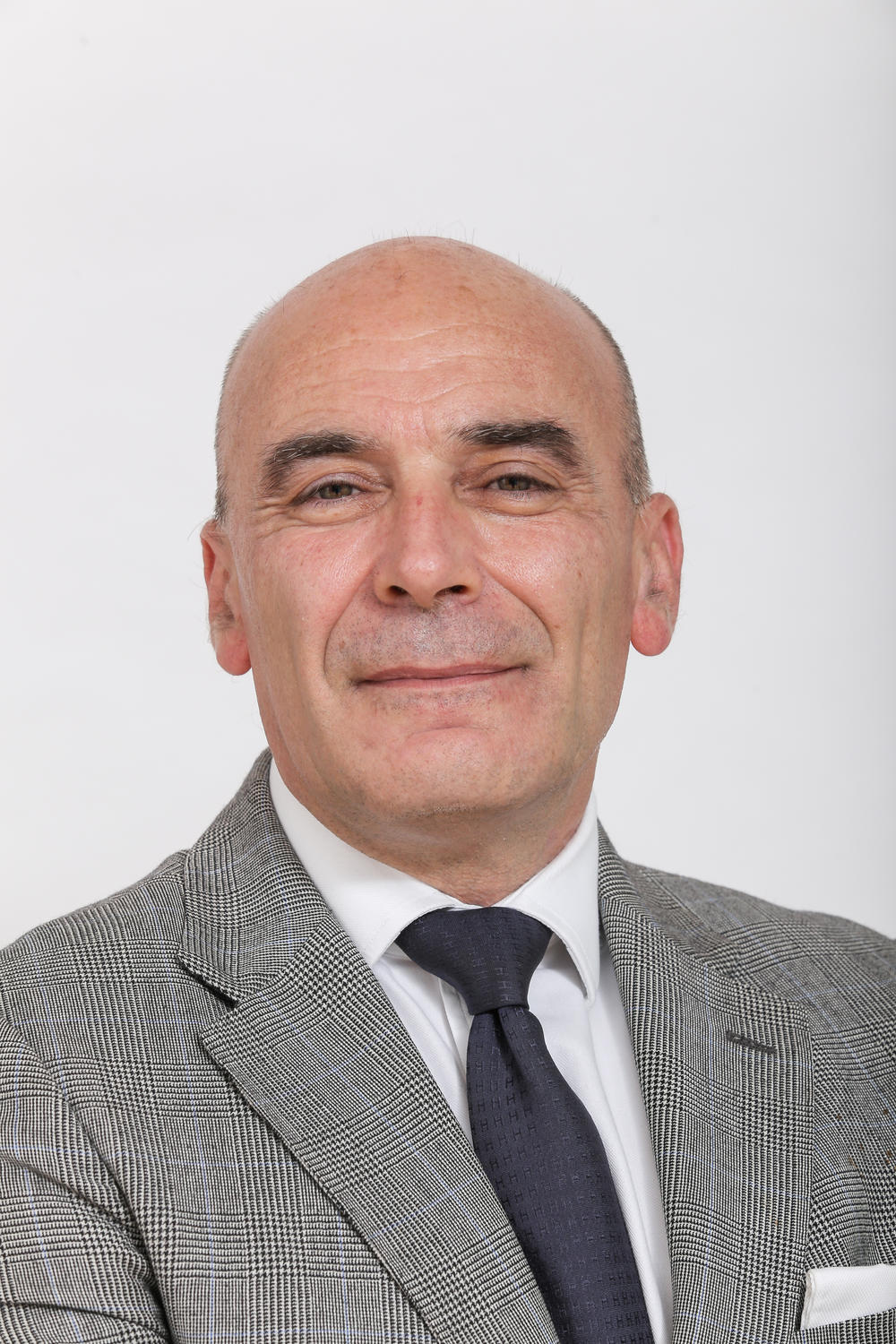
The EESC has elected Austria's Oliver Röpke as the 34th president in its 65-year history. Former head of the Brussels office of the Austrian Trade Union Federation (ÖGB), and the most recent president of the EESC Workers' Group, Mr Röpke will lead the EU body representing organised civil society for the next two and a half years.

Joining him at the helm of the EESC are Polish member Krzysztof Pater, as vice-president for the budget, and Romanian member Aurel Laurenţiu Plosceanu, as vice-president for communication. With the EESC presidency changing halfway through the term of office, Mr Röpke takes over from his fellow Austrian, Christa Schweng, who led the EESC through the first half of its 2020–2025 mandate.

An advocate for workers' rights, Mr Röpke is determined to consolidate the EESC's role as a forum for dialogue between a wide range of actors, playing a key part in shaping EU policies and restoring citizens' trust in the EU project.

"Over the next term, I will step up the unique role of the EESC as an interface between citizens, civil society and EU institutions, acting as a true platform for honest and inclusive debate. I will reach out to our partners in the Western Balkans and Eastern neighbourhood to foster closer cooperation and engage with youth to make sure we are building the future they want to live in – inclusive, prosperous and democratic", the president said.

For his presidency, Mr Röpke has chosen the motto "Stand up for democracy, speak up for Europe". The four pillars of his programme – the Manifesto - embody his vision of a more social and representative Europe, which also reaches out to its neighbours to help them pave the way towards a more stable and peaceful future. The pillars are standing up for democracy at home and abroad and speaking up for Europe by making the EESC more representative and by strengthening the quality of the EESC's outreach and its forward-looking work.

The Manifesto includes a list of actions that the new president intends to implement during his mandate. Among others, they include appointing Honorary Enlargement Members from EU accession countries to involve them in the EESC's daily advisory work, and a robust participation of the EESC in campaigns and activities to increase voter participation in the 2024 European elections. The focus will also be on involving citizens, in particular young people, in the EU through citizen panels and other forms of participation. (ll)

Romanian member Aurel Laurenţiu Plosceanu is the new EESC Vice-President for Communication

A member of the EESC's Employers Group, Mr Plosceanu is president of the Romanian Construction Entrepreneurs' Association (ARACO) and vice-president of the General Union of Romanian Industrialists (UGIR).

Read more in all languages

A member of the EESC's Employers Group, Mr Plosceanu is president of the Romanian Construction Entrepreneurs' Association (ARACO) and vice-president of the General Union of Romanian Industrialists (UGIR).

He was elected at the mid-term renewal plenary session on 26 April 2023.

"I am very happy to take up this responsibility, to which I am strongly committed", he said. "Nowadays, we are facing multiple challenges and we need to be able to communicate effectively what we do at EU level and make the voice of EU organised civil society heard".

Mr Plosceanu, who has been a member of the EESC since Romania joined the EU in 2007, was president of the Section for Employment, Social Affairs and Citizenship (SOC) for the first half of the current term of office and is co-chair of the EU-Serbia Joint Consultative Committee.

He holds qualifications in technical engineering (Technical University of Civil Engineering of Bucharest) and law (Nicolae Titulescu University Bucharest), as well as an eMBA in economics (INDE) and a postgraduate degree in defence (Romanian National Defence College). (mp)

Poland's Krzysztof Pater is the new EESC Vice-President for Budget

Former Polish Minister for Social Policy and current President of the Polish Scouting and Guiding Association (ZHP), Mr Pater was elected to the post on 26 April by the plenary assembly of the EESC, of which he has been a very active member since 2006.

Read more in all languages

Former Polish Minister for Social Policy and current President of the Polish Scouting and Guiding Association (ZHP), Mr Pater was elected to the post on 26 April by the plenary assembly of the EESC, of which he has been a very active member since 2006.

One of Mr Pater's top priorities while holding the Committee's purse strings will be boosting its resilience, as a democratic institution, to threats and hostile influence.

"Since Russia's invasion of Ukraine, there has been not only a dramatic change in the economic landscape, which is a source of great uncertainty in the planning of much of the Committee's expenditure, but also in the global geopolitical situation", Mr Pater said. "This makes it more important than ever to invest to make existing democratic systems more capable of protecting fundamental rights and of reinforcing their own stability."

In Poland, Krzysztof Pater played a prominent role in the reform of the pension system in the late 1990s and helped shape the concept of the funded pillars. He became Undersecretary of State for Labour and Social Policy in 2001 and Minister for Social Policy in 2004.

Awarded the Golden Cross of Merit by the President of Poland for his educational work with children and young people, Mr Pater has been an active member of the Scouting Association ZHP for more than 45 years and is currently its president.

At the EESC he has been president of the Section for Economic and Monetary Union and Economic and Social Cohesion (2008-2010) and president of the Labour Market Observatory (2010-2013 and 2018-2020).

His reports have spearheaded campaigns to ensure that persons with disabilities can effectively exercise their right to vote across the EU in European elections. He has also been championing recognition of the immense social and economic value of volunteering, which he reiterated in his acceptance speech: "Voluntary activity saved the lives of thousands of European Union citizens during the COVID-19 pandemic and ensured that hundreds of thousands of refugees from Ukraine were able to get the help they needed. I very much hope that the European Commission will also acknowledge their efforts by making 2025 the European Year of Volunteers, as requested by our Committee." (dm)

Who is who: the EESC's new leadership

See below the new organisational chart of the EESC leadership.

Read more in all languages

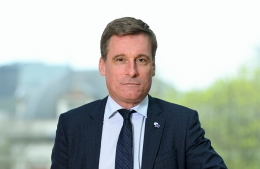
President

Oliver Röpke, Austria 
Workers' Group

 
Vice-Presidents

Aurel Laurenţiu Plosceanu, Romania
Employers' Group

President of the Communication Commission (COCOM)

Krzysztof Pater, Poland
Civil Society Organisations' Group

President of the Commission for Financial and Budgetary Affairs (CAF)

 
Group Presidents

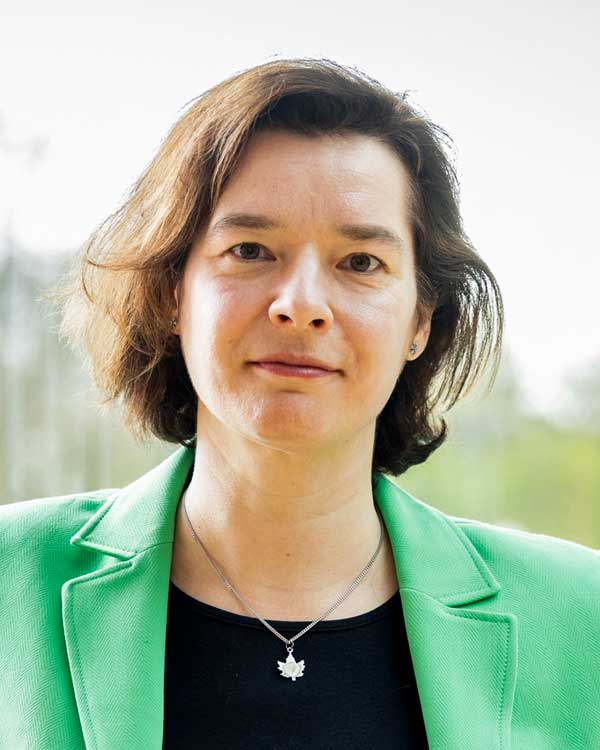
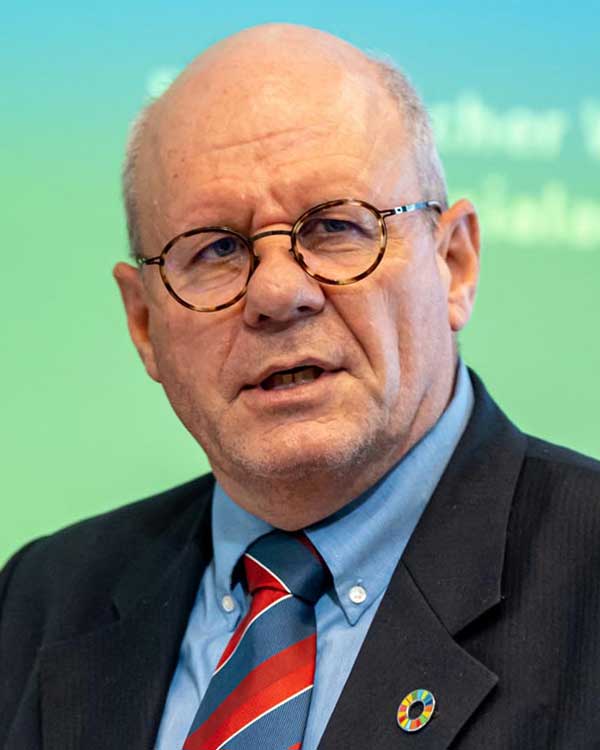
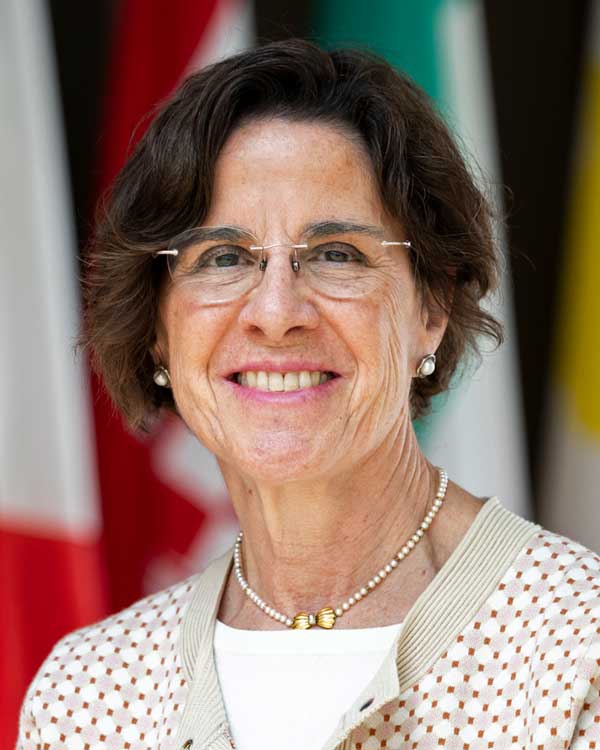
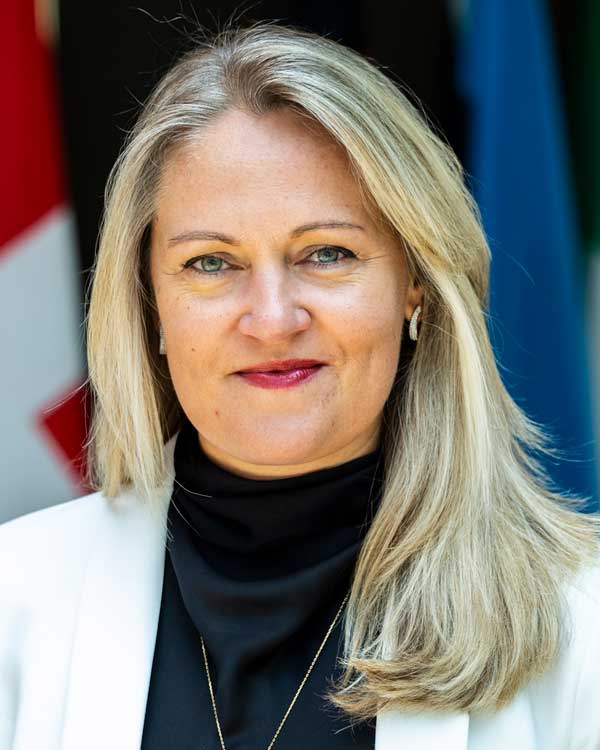
Stefano Mallia, Malta

President of the Employers' Group

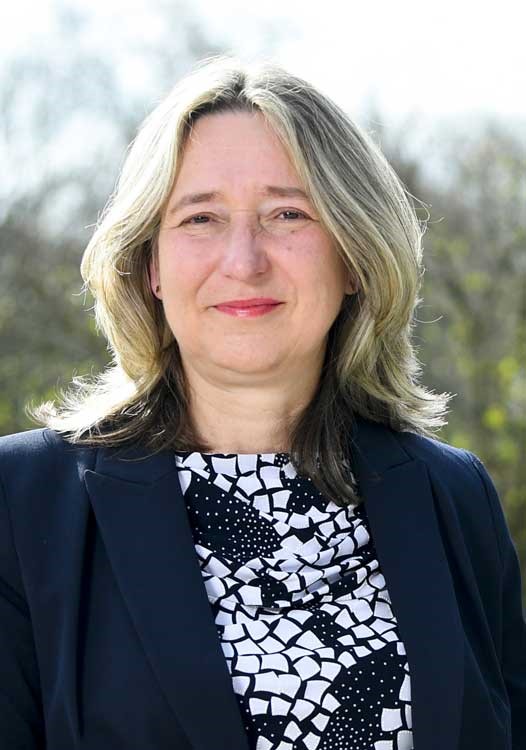
Lucie Studničná, Czech Republic

President of the Workers' Group

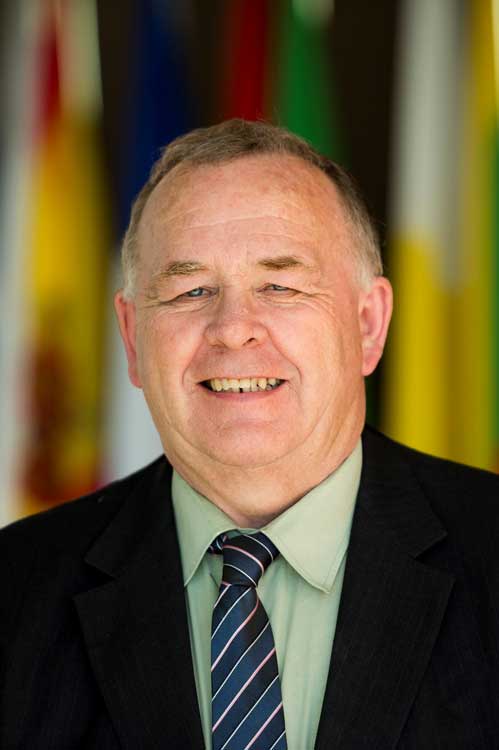
Séamus Boland, Ireland

President of the Civil Society Organisations' Group

 
Section Presidents

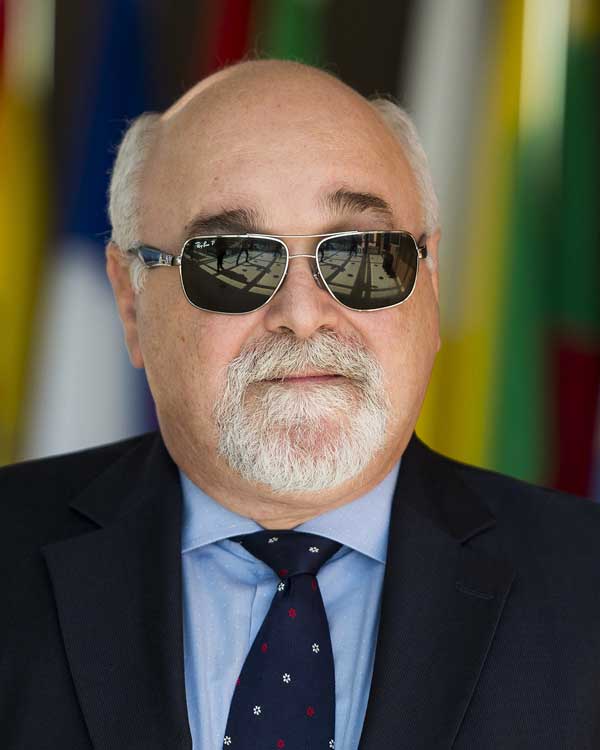
Ioannis Vardakastanis, Greece
Civil Society Organisations' Group

President of the Section for Economic and Monetary Union and Economic and Social Cohesion (ECO)

Sandra Parthie, Germany
Employers' Group 

President of the Section for the Single Market, Production and Consumption (INT)

Dimitris Dimitriadis, Greece
Employers' Group

President of the Section for External Relations (REX)

Peter Schmidt, Germany
Workers' Group

President of the Section for Agriculture, Rural Development and the Environment (NAT)

Cinzia Del Rio, Italy
Workers' Group

President of the Section for Employment, Social Affairs and Citizenship (SOC)

Baiba Miltoviča, Latvia
Civil Society Organisations Group

President of the Section for Transport, Energy, Infrastructure and the Information Society (TEN)

Pietro Francesco de Lotto, Italy
Employers' Group

 President of the Consultative Commission on Industrial Change (CCMI)

The EESC's mid-term renewal explained

All the EESC's top leaders change for the second half of the term of office, which runs from April 2023 to September 2025.

Read more in all languages

All the EESC's top leaders change for the second half of the term of office, which runs from April 2023 to September 2025.

In addition to the President, the two vice-presidents and the bureau, the EESC has also chosen new presidents for its six sections (SOC, ECO, INT, NAT, TEN and REX) and its Consultative Commission on Industrial Change (CCMI).

The President and two vice-presidents are elected by a simple majority during the inaugural session of the assembly. They are chosen from each of the EESC's three groups (Employers' Group, Workers' Group and Civil Society Organisations' Group) in turn, for two‑and‑a‑half‑year terms.

The President is responsible for the orderly conduct of the Committee's business and represents the EESC in its relations with other institutions and bodies.

The two vice-presidents – elected from the two groups to which the president does not belong – are responsible for communication and the budget respectively.

The bureau is the body that takes political decisions at the EESC. Its main task is to set the EESC's objectives, strategies and priorities in all areas and to determine its work programme. Made up of the President, the two vice-presidents, the three group presidents, the section and CCMI presidents, it also includes a variable number of members, which cannot exceed the number of Member States.

The EESC is made up of 329 members from its 27 Member States. They are nominated by their national governments and appointed by the Council of the European Union for a period of five years. They then work independently in the interests of all EU citizens. These members are not politicians but employers, trade unionists and representatives of various sectors of society, such as farming, consumer and environmental organisations, the social economy, SMEs, professionals and associations representing persons with disabilities, the voluntary sector, gender equality, youth, academia, and so on. (ll/dm)

Editors

Ewa Haczyk-Plumley (editor-in-chief)
Daniela Marangoni (dm)
 

Contributors to this issue

Daniela Marangoni (dm)
Laura Lui (ll)
Marco Pezzani (mp)
Marcin Buchowski (mb)

Coordination

Agata Berdys (ab)
Giorgia Battiato (gb)


Address

European Economic and Social Committee
Jacques Delors Building,
99 Rue Belliard,
B-1040 Brussels, Belgium
Tel. (+32 2) 546.94.76
Email: eescinfo@eesc.europa.eu

EESC info is published nine times a year during EESC plenary sessions. EESC info is available in 24 languages
EESC info is not an official record of the EESC’s proceedings; for this, please refer to the Official Journal of the European Union or to the Committee’s other publications.
Reproduction permitted if EESC info is mentioned as the source and a link  is sent to the editor.
 

May 2023
06/2023

Follow us

  • Facebook
  • Twitter
  • LinkedIn
  • Instagram