
European Economic
and Social Committee
CURRENT AFFAIRS: Bridging the democratic gap for Europe’s youth

For a democracy to thrive, it requires more than just institutional structures – it requires the pulse of its youngest citizens. While young Europeans are more connected than ever – mobilising digitally for climate action and social justice – their trust in democratic institutions remains alarmingly fragile. To strengthen the European project, we must move from symbolic engagement to active civic impact and build a bridge between youthful energy and systemic influence.
In this context, the European Economic and Social Committee’s youth event Your Europe, Your Say! (YEYS) 2026, taking place on 19-20 March, arrives at a pivotal moment for youth democracy in Europe. This year’s edition will explore Meaningful Connections · Active Participation · Democratic Engagement. The thematic focus for 2026 will be structured around the following key pillars:
- Shaping tomorrow;
- Civic engagement & participatory democracy;
- Digital transformation, AI & youth;
- Social cohesion & inclusion;
- Climate action & sustainability;
- and Mental health & wellbeing.
YEYS 2026 creates a unique platform for young Europeans to connect across borders, engage directly with decision-makers and transform civic enthusiasm into concrete democratic participation. The youth assembly will conclude by identifying the top priorities, which will then be formulated into policy recommendations. The EESC will ensure that the proposals are channelled into the Committee’s future advisory work and contribute in the consultations on the next EU Youth Strategy.
However, true participation is not just about being invited to the room; it’s about having the power to make an impact on the direction of the conversation. When young Europeans experience a system that listens, hears and acts, they don’t just participate – they invest their future in the democratic process.
Firstly, it’s important to secure transparent feedback – decision-makers must explain which youth proposals are adopted and, crucially, why others are not. Secondly, early-stage involvement – impact happens at the drafting table. Young people must be partners from the inception of policy, not just reviewers of a finished product. And finally, tangible results – trust is forged when ideas turn into action. This requires dedicated funding for youth-led pilot projects and local community initiatives. When a young person sees their proposal for a local green space or a digital literacy programme become reality, their disbelief transforms into civic pride.
We must unlock the impact of the European Youth Dialogue to share best practices and the full potential of the next Erasmus+ programme. Furthermore, we must implement the EU Youth Test to ensure that we mainstream young perspectives across all policies at all levels (at both EU and national level). By ensuring young people have meaningful pathways to turn their passion into policy, Europe can ensure that the next generation doesn't just inherit a democracy but actively builds it.
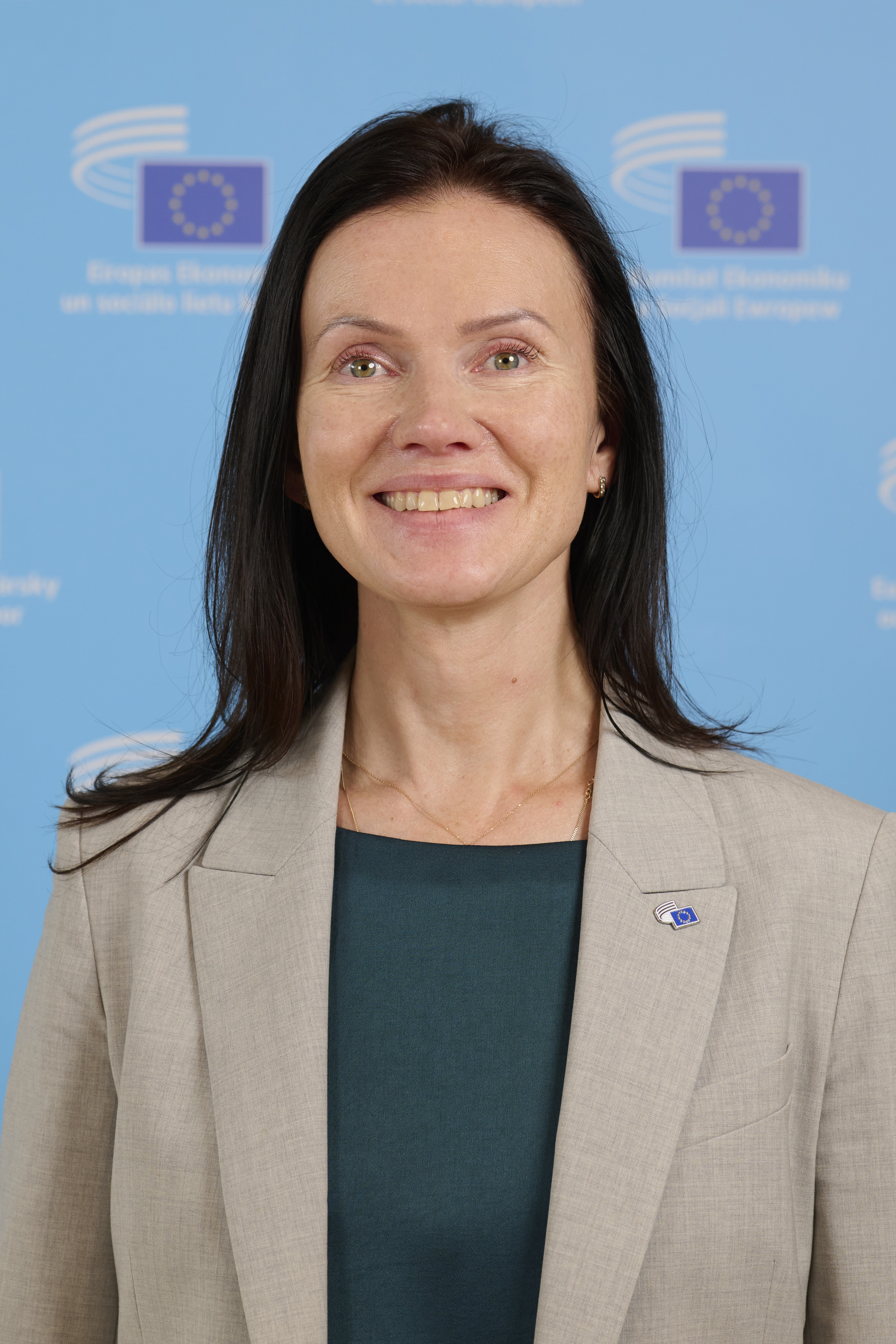
Katrīna LEITĀNE (Latvia)
Vice-President, EESC Youth Group
Vice-President, EESC Civil Society Organisations' Group
Advocacy expert, National Youth Council of Latvia
© EU/EESC