Charlemagne building,
Rue de la Loi 170, 1000 Brussels
Brussels
Belgium
The Consultative Commission on Industrial Change (known by its French acronym of CCMI, Commission consultative des mutations industrielles) became part of the European Economic and Social Committee in 2002; therefore 2022 marks its 20th anniversary. On this occasion a conference will be held on the 8th of June to jointly reflect on its future.
Reforming the European Semester for a resilient, sustainable and inclusive Europe - Tackling present and future challenges
Location
Rue Belliard, 99
Brussels
Belgium
When NextGenerationEU and the Recovery and Resilience Facility (RRF) were set up, the EESC's European Semester Group (ESG) welcomed them and stressed the need to link these tools to the European semester's policy framework, the functioning of which would probably need to be overhauled as a result of the introduction of these new tools. Furthermore, the ESG continues to see these tools as an effective way of taking European integration one step forward, while at the same time pointing out means of overcoming the crises currently facing the European Union.
The European Citizens' Initiative 10 years on: ready for the future?
Location
Brussels
Belgium
Ten years ago, the first Regulation on the European Citizens’ Initiative (ECI) entered into application, launching a new era in the history of citizens’ participation. The 2022 edition of ECI Day marked a special anniversary of this unique cross-border instrument.
The market of crypto assets continues to grow, bringing with it both opportunities and challenges. Whilst it is important to harvest the potential the technological innovations offer, the associated risks have to be closely monitored. The hearing will take stock of new developments in the crypto sector, raise awareness, and come up with policy proposals to tackle emerging risks, in order to protect consumers and preserve financial stability.
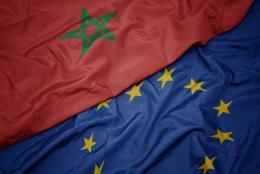
The European Union (EU) and Morocco are bound by an association agreement signed in 1996, which entered into force in 2000. In October 2008, Morocco was granted an "Advanced Status" by the EU.
This interactive conference with experts in circular economy competences and youth, policy-makers, academics and business representatives will explore the outputs from the CESCY project.
The Euro-Mediterranean Summit of Economic and Social Councils and Similar Institutions aims at promoting greater understanding of the main issues affecting organised civil society in the Mediterranean region and discussing the common challenges they face.
This thematic debate aims to discuss the impacts of the war on food security worldwide, with a focus on some specific world regions; further actions that will be needed to ensure food security while fostering resilient and sustainable food systems and the role civil society can play in ensuring food security both in Europe and beyond.
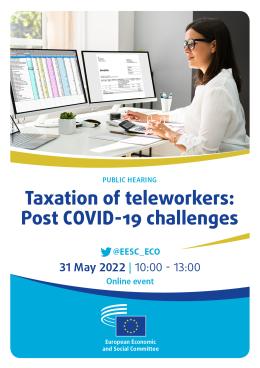
The COVID-19 pandemic has changed the lives of workers and businesses in unprecedented ways. A key change during the COVID-19 pandemic, with travel restrictions in place and governmental limitations on the number of employees present in offices in order to reduce transmission of the COVID-19 virus, has been the rise of cross-border teleworking.
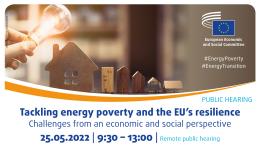
challenges from an economic and social perspective
Location
Rue Belliard 99, 1040
Brussels
Belgium
As part of its work to prepare an opinion on "Tackling energy poverty and the EU's resilience: challenges from an economic and social perspective'', the European Economic and Social Committee (EESC) is organising a remote public hearing on 25 May 2022 from 9:30 am to 1 pm.
The discussion will focus on how European organised civil society, together with the EU, national, regional and local authorities, can join forces to fight against energy poverty.