
European Economic
and Social Committee
The youth of the Western Balkans need tangible policies for their future so that they don't turn their back on the region
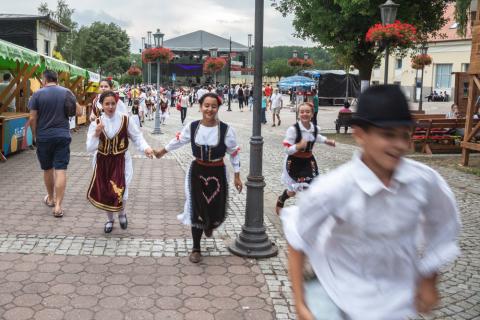
With youth as one of the main policy areas of the Innovation Agenda for the Western Balkans (WBs), the participants in the hearing "Youth Policy in the Western Balkans, as part of the Innovation Agenda for the WBs", held by the EESC, reaffirmed the importance of young people for the future of the region. They also pointed to the "brain drain" problem and how transforming this into "brain circulation" could stimulate economic growth and development in the Western Balkans.
The hearing took place on 16 May, the same day ministers of foreign affairs from EU Member States discussed the situation in the Western Balkans at the Foreign Affairs Council, together with their counterparts from the region.
Representing approximately 21% of the population, active involvement of young people in the decision-making process is crucial for the long-term development and investment strategy in the region.
Opening the debate, the EESC member Dragica Martinović Džamonja and president of the study group, stated: Young people are a vital resource for development and an essential factor for peace and stability
.
In the same vein, Andrej Zorko, co-rapporteur of the opinion, highlighted: Young people should be at the forefront of EU legislation and policy. They should not be the subject of a project, but really need to be an active element in policy-making.
The European Commission presented the main activities in 2022 – the European Year of Youth – in the EU, as well as in the WBs. Ioannis Melekos from DG EAC, underscored that one of the Commission's main initiatives is the Youth Guarantee for the WBs, a scheme to ensure the young people aged 15-29 receive a good quality offer of employment, continued education, an apprenticeship or traineeship.
Dafina Peci, Director of Tirana European Youth Capital 2022 highlighted the importance of the youth organisations and civil society organisations, showcasing the work of the WB Youth Platform which has been active for years in the six countries of the region.
The coordinator of the EU-Balkan Youth Forum from the Italian Ministry of Foreign Affairs, Nicola Minasi, was impressed by the genuine and strong interest of the young participants in the Forum held in November 2021 in Rome. Among other proposals, young people highlighted the need to give more prominence to the reconciliation process in the WBs and regretted the lack of real engagement of high-level politicians and governments on the issue.
Brain drain can be changed into brain gain
Inadequate education, lack of skills, poor employment conditions, as well as limited opportunities cannot guarantee a prosperous future for the young people in the region.
Albert Hani, Secretary General of the Regional Youth Cooperation Office (RYCO), stated that an average of 52% of young people would like to live outside of the region. If governments are to persuade young people to stay home, they need to show their commitment to young people's needs and priorities
, he said.
Milica Škiljević, project manager at Belgrade Open School, flagged up the lack of information on career and employment prospects and the need to establish an information ''hub'' for young people in the WBs. She stressed the need to adapt the current education system and prepare for the future green jobs.
Youth unemployment and the brain drain is also a major concern among young people in the region.
Ognjen Marković, Team Leader of the Western Balkans Youth Lab Project in the Regional Cooperation Council, explained the added value of youth participation in the decision-making process as the following: young people can offer knowledge and expertise and make a change in the region provided that they are placed on an equal footing with policy-makers.
According to Jelena Nastić Stojanović, Development Director at Western Balkans Institute (WEBIN), turning brain drain into "brain circulation" requires concrete measures in the area of education, complimented by teacher training courses, pilot programmes, digital skills and enhanced inter-regional mobility of staff and students.
The Youth Guarantee for the WBs initiative, along with youth networks and national stakeholders at different levels of government could mark the beginning of a reform process, which will strengthen employability amongst the young generation in the region.
The event, which was organised by the EESC's External Relations section (REX), brought together representatives from EU institutions, youth networks and organisations from the Western Balkans, whose valuable input will be used in a forthcoming opinion on the same topic.
Work organisation
Downloads
-
The youth of the Western Balkans need tangible policies for their future so that they don't turn their back on the region
Recommended for you
Skrajni čas za vlaganje v mlade na Zahodnem Balkanu
News
Da bi vlade držav Zahodnega Balkana svojim državljanom zagotovile boljšo prihodnost, se morajo lotiti reševanja težav, s katerimi se srečujejo mladi, ki imajo ključno vlogo pri njenem ustvarjanju.…
Vaša Evropa, vaš glas! v letu 2023: Mladi si želijo, da bi bila EU preglednejša, bolj digitalna in enostavnejša
News
Evropski ekonomsko-socialni odbor (EESO) je 23. in 24. marca gostil dogodek Vaša Evropa, vaš glas! Potekal je v Bruslju, udeležilo pa se ga je 105 dijakov 35 šol iz vseh 27 držav članic EU in sedem…
Začetek zbiranja prijav za nagrade za civilno družbo EESO na temo duševnega zdravja
News
Organizacije civilne družbe, posamezniki in zasebna podjetja lahko svoje nepridobitne projekte prijavijo za nagrado EESO, namenjeno spodbujanju duševnega zdravja Evropejcev Evropski ekonomsko…
Oddajte svoj glas junija 2024: EESO poziva Evropejce, naj volijo za enotno in demokratično Evropo
News
Demokracija po vsem svetu nazaduje, širijo se dezinformacije in vse več je nezadovoljstva zaradi naraščajoče inflacije ter preteče nevarnosti vojne, zato so letošnje evropske volitve, na katerih bodo…
Ohranjanje zagona širitve EU: prizadevanje civilne družbe, da bi s postopnim vključevanjem prinesla koristi Zahodnemu Balkanu
News
Evropski ekonomsko-socialni odbor (EESO) je 20 let po pristopu Slovenije k EU v Ljubljani zbral politične voditelje in voditelje civilne družbe, da bi obeležili to simbolično obletnico in poudarili…