European Economic
and Social Committee
European Economic
and Social Committee
The European Economic and Social Committee (EESC) is the voice of organised civil society in Europe.
Find out more about its role and structure at http://www.eesc.europa.eu/en/about
The EESC issues between 160 and 190 opinions, evaluation and information reports a year.
It also organises several annual initiatives and events with a focus on civil society and citizens’ participation such as the Civil Society Prize, the Civil Society Days, the Your Europe, Your Say youth plenary and the ECI Day.
Find the latest EESC opinions and publications at http://www.eesc.europa.eu/en/our-work/opinions-information-reports/opinions and http://www.eesc.europa.eu/en/our-work/publications-other-work/publications respectively.
The EESC is active in a wide range of areas, from social affairs to economy, energy and sustainability.
Learn more about our policy areas and policy highlights at http://www.eesc.europa.eu/en/policies
The EESC holds nine plenary sessions per year. It also organises many conferences, public hearings and high-level debates related to its work.
Find out more about our upcoming events at http://www.eesc.europa.eu/en/agenda/our-events/upcoming-events
Here you can find news and information about the EESC'swork, including its social media accounts, the EESC Info newsletter, photo galleries and videos.
Read the latest EESC news http://www.eesc.europa.eu/en/news-media/news and press releases http://www.eesc.europa.eu/en/news-media/press-releases
The EESC brings together representatives from all areas of organised civil society, who give their independent advice on EU policies and legislation. The EESC's326 Members are organised into three groups: Employers, Workers and Various Interests.
Find out more about our Members and groups at http://www.eesc.europa.eu/en/members-groups
The EESC has six sections, specialising in concrete topics of relevance to the citizens of the European Union, ranging from social to economic affairs, energy, environment, external relations or the internal market.
Find out more at http://www.eesc.europa.eu/en/sections-other-bodies
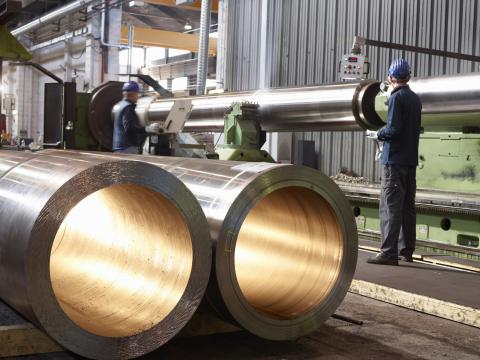
Rūpniecības pārmaiņu konsultatīvā komisija (CCMI) 9. novembrī rīkoja neklātienes debates par ES tērauda rūpniecību. Debatēs, ko vadīja jaunais CCMI priekšsēdētājs Pietro Francesco De Lotto, galvenā uzmanība tika pievērsta jaudas pārpalikuma un dekarbonizācijas jautājumiem starptautiskajā tērauda rūpniecībā. Debašu dalībnieki pievērsās problēmām, ar kurām saskaras Eiropas tērauda rūpniecība: atveseļošanas plāns pēc Covid-19, ražošanas procesu dekarbonizācija, ES aizsardzības pasākumi un tirdzniecība.
Tērauds ir svarīga pamatprece gan visās attīstītajās, gan attīstības valstīs. Covid-19 pandēmija ir likusi uzdot jautājumus par globālo piegādes ķēžu atkarību, it īpaši gadījumos, kad daudzas valstis ir atkarīgas no vienas valsts.
Bažas rada Ķīnas tērauda rūpniecības jaudas pārpalikums, jo Ķīna tagad dominē vairāk nekā pusē no pasaules tirgus. ASV 2018. gadā ieviesa protekcionisma nodokļus, lai mazinātu ASV ekonomikas atkarību no Ķīnas produktiem. Šis pasākums smagi skāra arī ES tirgu, jo ASV ir nozīmīgs ES ražotā tērauda patērētājs.
Tajā pašā laikā valstis visā pasaulē cenšas samazināt siltumnīcefekta gāzu emisijas, un tiek sāktas arvien vairāk aprites ekonomikas iniciatīvu.
“Mums jānodrošina to tērauda sektoru konkurētspēja, kuri ievēro šādai pārkārtošanai nepieciešamos vides standartus, bet saskaras ar konkurenci no citu pasaules reģionu puses, kur šādu standartu nav vai tie ir nepietiekami,” debašu noslēgumā sacīja P. F. De Lotto. “Tas attiecas arī uz standartiem darba apstākļu un darba tiesību jomā.”
Tāpēc EESK aicina radīt vienlīdzīgus konkurences apstākļus Eiropas uzņēmumiem un trešo valstu eksportējošajiem ražotājiem. (tk/ks)