
European Economic
and Social Committee
Speakers

Claude Rolin
EESC Member
Claude Rolin
Gradué en Sciences sociales du travail.
Licencié et politique économique et sociale
Ancien Secrétaire général de la Confédération des Syndicats ChrétVairāk
Claude Rolin
Gradué en Sciences sociales du travail.
Licencié et politique économique et sociale
Ancien Secrétaire général de la Confédération des Syndicats Chrétiens
Ancien député européen, vice-président de la Commission Emploi et Affaires sociales
Ancien vice-président du Conseil Central de l’Economie.
Président de la Mutualité chrétienne francophone et germanophone
Membre du CESE (SOC – CCMI- Rex)
Mazāk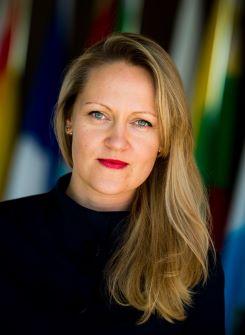
Baiba Miltoviča
President of the Section for Transport, Energy, Infrastructure and the Information Society, European Economic and Social Committee
Baiba Miltoviča has been appointed in 2020 President of the “Transport, Energy, Infrastructure and Information Society” SectioVairāk
Baiba Miltoviča has been appointed in 2020 President of the “Transport, Energy, Infrastructure and Information Society” Section (TEN) of the European Economic and Social Committee (EESC). At the same time, Ms Miltoviča serves as Board Member of the Latvian National Association for Consumer Protection (LPIAA) and actively co-operates with the European Consumer Organization (BEUC) on the European Commission Horizon 2020 and DG Justice and Consumers projects. She is member of the European Consumer Consultative Group (ECCG) of the European Commission, subgroup on Energy and Sub-Group on Artificial Intelligence (AI), connected products and other new challenges in product safety.
In her previous mandate at the EESC, Ms Miltoviča held a position as Vice-President of the Diversity Europe Group of the European Economic and Social Committee and was an active member of TEN, appointed Rapporteur of 6 opinions (on energy and climate policy, energy performance of buildings, internal gas market, heating and cooling, etc.) and of the Single Market, Production and Consumption Section (INT) and Economic and Monetary Union and Economic and Social Cohesion Section (ECO) of the EESC.
At the national level Baiba Miltoviča continues to fulfil responsibilities in the LPIAA and is Member of the Advisory Board of the Latvian Public Utilities Commission.
Ms Miltoviča holds a degree in political science and lectures at Latvia University of Life Sciences and Technologies, Faculty of Economics and Social Development.
Mazāk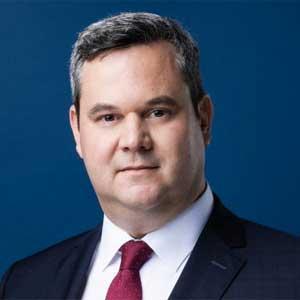
Péter Takács
State Secretary for Health, Hungary
Péter TAKÁCS, MD, State Secretary for Health of the Ministry of Interior of Hungary
After graduating at the Faculty of Medicine of the Semmelweis University he started workinVairāk
Péter TAKÁCS, MD, State Secretary for Health of the Ministry of Interior of Hungary
After graduating at the Faculty of Medicine of the Semmelweis University he started working there as a resident physician in forensic medicine. Between 2012 and 2015 he worked for the Institute of Pharmaceutical and Health Quality and Organizational Development as a health specialist, then he was an acting regional director of the State Health Care Center. Between 2015 and 2017 he was the head of Department of Finance and the director of Outpatient Care, from 2019 to 2020 the acting director-general of the North-Central Buda Center, St. John Central Hospital Budapest. From 2020 to 2022 he was the deputy director-general of the Primary and Specialist Care at the National Healthcare Service Center.
He is the State Secretary for Health of the Ministry of Interior from the 25th May 2022.
After graduating at the Faculty of Medicine of the Semmelweis University he started working there as a resident physician in forensic medicine. Between 2012 and 2015 he worked for the Institute of Pharmaceutical and Health Quality and Organizational Development as a health specialist, then he was an acting regional director of the State Health Care Center. Between 2015 and 2017 he was the Head of Department of Finance and the Director of Outpatient Care, from 2019 to 2020 the Acting Director-general of the North-Central Buda Center, St. John Central Hospital Budapest. Between this two periods he worked for the Ministry of Human Capacities as the Head of Department for Health Policy. From 2020 to 2022 he was the Deputy Director-general of the Primary and Specialist Care at the National Healthcare Service Center.
He is the State Secretary for Health of the Ministry of Interior from the 25th May 2022.
Mazāk
Antonio Parenti
European Commission, DG SANTE
Antonio Parenti is currently the Director for Public Health, Cancer and Human Security in the Directorate General for Human and Food Security of the European Commission.
UntVairāk
Antonio Parenti is currently the Director for Public Health, Cancer and Human Security in the Directorate General for Human and Food Security of the European Commission.
Until August 2024 he was the Head of the European Commission Representation in Italy. He represented the Commission in Italy under the political authority of President Ursula von der Leyen and oversaw the two offices of Rome and Milan.
Before Italy, he was the Minister Counsellor in charge of the economic affairs, trade and development section of the EU Delegation to the United Nations. In that capacity, he served as Chief negotiator of the European Union for the UN Global Compact on Migration. Much of his career took place in the European Commission's Directorate-General for Trade where he served as Deputy Chief negotiator of the free trade agreement with Japan, responsible for relations with the countries of the Far East including the China and Chief negotiator for the accession of several countries to the WTO. He served not only in Brussels and New York but also in Moscow where he served as the Counsellor for economic and commercial affairs of the EU Delegation during the final stages of Russia's accession negotiations to the WTO.
Antonio Parenti has a Law Degree and a LL.M in European Law from the University of Bologna and a Master of Arts in International Relations from the Paul H. Nitze School of Advanced International Studies (Johns Hopkins University). He is the author of numerous articles and essays on European affairs and international trade.

Tomislav Sokol
Member of the European Parliament, Rapporteur on the e-Health Data Space Regulation
Tomislav Sokol was born in Zagreb in 1982. He obtained his first degree in law at the Faculty of Law, University of Zagreb, in 2006, magna cum laude. He Vairāk
Tomislav Sokol was born in Zagreb in 1982. He obtained his first degree in law at the Faculty of Law, University of Zagreb, in 2006, magna cum laude. He then obtained a Masters of Law (LL.M.) specialising in European Union Law at the Katholieke Universiteit Leuven (KUL), Belgium, in 2009, magna cum laude. He defended his PhD at KUL, dealing with free movement of cross-border health care services in the EU and its impact on national health insurance systems in 2014.
He was an Assistant Minister in the Ministry of Science and Education in 2017, after which he became a Member of the Croatian Parliament. He was a Member of the Croatian Parliament until July 2019, when he became a Member of the European Parliament. He is EPP Coordinator in Committee on Public Health (SANT), Member of the Committee on the Internal Market and Consumer Protection (IMCO), Substitute Member of the Committee on the Environment, Public Health and Food Safety (ENVI) and Committee on Constitutional Affairs (AFCO) in the European Parliament. Mr. Sokol is main Rapporteur for the European Health Data Space and EPP Shadow Rapporteur for Pharmaceutical legislation (Regulation).
So far, he has published around 20 papers and 1 book on issues concerning EU law, including several articles in European journals, such as the European Law Review and the European Law Journal. He has presented papers at many international conferences and worked on different research projects. Currently, he is a Senior Lecturer at the Zagreb School of Economics and Management where he has taught Introduction to European Union and Principles of Law courses since the academic year 2010/2011. He is also an assistant professor at the Catholic University of Croatia where he has taught since the academic year 2016/2017. His areas of professional interest include the law of the European common market, EU health law, competition law, International and European social law and International and European trade law.
Mazāk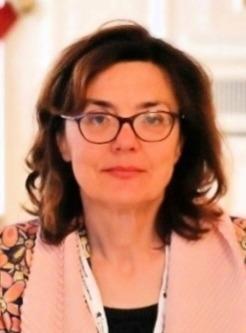
Donata Meroni
Head of Unit 'Health monitoring and cooperation, Health networks', Directorate-General for Health and Food Safety, European Commission
Donata Meroni is Head of the Unit ‘Health monitoring and cooperation, Health networks’ dealing with rare diseases, cross border healthcare policies, healVairāk
Donata Meroni is Head of the Unit ‘Health monitoring and cooperation, Health networks’ dealing with rare diseases, cross border healthcare policies, health information and Scientific Committees, in the Public Health Directorate of DG SANTE, European Commission. She was previously Head of the Unit dealing with health Promotion and diseases prevention and funding instruments, and head of the ‘health and food safety’ Unit in the Executive Agency for Consumers, Health, Agriculture and Food (CHAFEA) in Luxembourg.
She has been working with the Commission since 2002. Before, she had worked in Italy for 13 years in both private and public sector.
Mazāk
Ágnes Cser
Member of the European Economic and Social Committee
Ágnes Cser
From 2004 - Member of the European Economic and Social Committee, member of several committees, former SOC Section vice-president, founding member of the EU-CVairāk
Ágnes Cser
From 2004 - Member of the European Economic and Social Committee, member of several committees, former SOC Section vice-president, founding member of the EU-China Civil Society Roundtable
Advocate/barrister,
Healthcare manager,
ITC-ILO Interregional Trade Union Training on Social Security,
Former Elected and appointed to be the Director-General of the Hungarian National Health Insurance Administration by the Health Insurance Committee with the support of the Government,
President of MSZ EDDSZ Trade Union and Seventh Confederation
Member of Presidency of National Economical and Social Council of Hungary (NESC of Hungary)
International and national representative of Hungarian Children and Youth Care Association,
Some presentations:
- Health for All! Health and Water in All Policies (Dakar, 2011)
- First World Conference on the Development of Universal Social Security System, speaker (Brasilia, 2010)
- Shanghai World Expo, China, “Healthy Cities” World Conference, invited by the EU Commission (2010),
- Combating Poverty and Social Exclusion (Budapest, 2010)
- Inequalities and the Social Model of the Disabled (Paris, 2009)
- European Patients’ Rights Day (Budapest, 2008)
- Patients’ Rights Day 18th April Active Citizenship Network (Rome, 2008)
- “Health and Migration” (European Conference, Lisbon 2007)
- “Social Health Security for All” (Conference Berlin 2005)
Rapporteur:
- Leaving No One Behind: European Commitment to Tackling Rare Diseases (2024)
- TEN/832 own-initiative opinion: „Towards an EU maritime strategy: Navigating into the future through coordinated investment policies, legislative initiatives, social dialogue and involving civil society” (2024)
- EU-China Round Table Conference written report: „Strengthening EU-China cooperation in the field of circular economy” (2024)
- EUROPEAN COMMISSION White Paper “Together for Health: A Strategic Approach for the EU 2008 - 2013”
- European action - Rare Diseases, Proposal for a Council Recommendation on a European action in the field of rare diseases (2009).
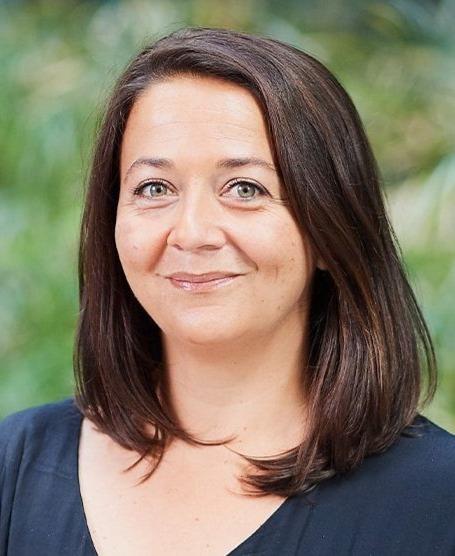
Virgine Bros-Facer
CEO, EURORDIS
Virgine Bros-Facer returned to EURORDIS-Rare Diseases Europe in March 2024 to take on the role of CEO, after having previously served as the organisationVairāk
Virgine Bros-Facer returned to EURORDIS-Rare Diseases Europe in March 2024 to take on the role of CEO, after having previously served as the organisation's Scientific Director.
Virginie received her PhD in Neurosciences from King’s College London, UK followed by several postdoctoral research projects at the Institute of Neurology, UCL, London focused on testing therapeutic strategies for Amyotrophic Lateral Sclerosis. After leaving the lab, she worked for several research funding organisations in the UK including the National Institute for Health Research, the Medical Research Council and as Medical Director for Sparks, a medical research charity focusing on rare paediatric diseases.
Upon subsequently joining EURORDIS as Scientific Director, she took the lead on project development and patient engagement in rare disease research projects representing the voice of rare disease patients, including within the International Rare Disease Research Consortium (IRDiRC). Virginie led in the creation of the EURORDIS Winter School on Scientific Innovation and translational research, aimed at empowering people living with a rare disease to fight for their rights to a better and healthier future.
In 2022, Virginie joined Illumina as Associate Director for Medical Affairs, Europe, where she engaged key opinion leaders and centres of excellence to develop clinical evidence for genetic testing of rare and undiagnosed patients to drive clinical adoption of next-generation sequencing and implementation in patient care.
Mazāk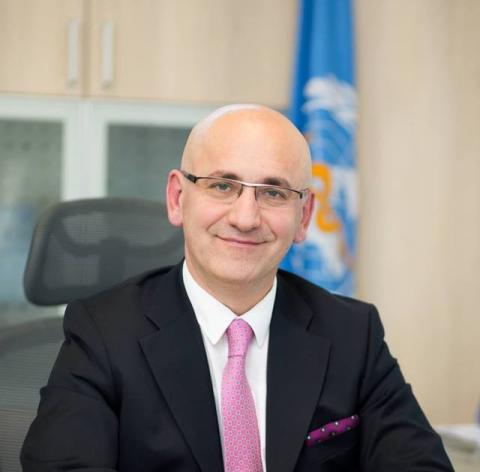
Haris Hajrulahovic
WHO Representation, Hungary
Haris Hajrulahovic took up the position of WHO Representative to Hungary in January 2022. Before arriving to Hungary, Haris was Programme Area Manager, Country Health Emergency PreVairāk
Haris Hajrulahovic took up the position of WHO Representative to Hungary in January 2022. Before arriving to Hungary, Haris was Programme Area Manager, Country Health Emergency Preparedness and International Health Regulations (2005) at the WHO Regional Office for Europe since October 2018. Haris has an extensive country work experience he gained as WHO Representative to Bulgaria a.i. (2023), the Republic of Moldova (2015 – 2019) and Bosnia and Herzegovina (2003 – 2015).
Haris earned a graduate pharmacist degree from the Faculty of Pharmacy, University of Sarajevo. He holds Postgraduate Diploma in Health Systems Management and Master of Science in Public Health from the London School of Hygiene and Tropical Medicine. Haris also holds Master of Disaster Management degree from the Faculty of Health and Medical Sciences, University of Copenhagen. Currently he is Policy Fellow at the Center for Science and Policy, University of Cambridge.
Mazāk
María Fernandez García
Spanish ministry of health
María Fernandez García graduated in Medicine and Surgery from the University of Oviedo, she is a specialist in Family and Community Medicine and has a master's degree in HumanitariVairāk
María Fernandez García graduated in Medicine and Surgery from the University of Oviedo, she is a specialist in Family and Community Medicine and has a master's degree in Humanitarian Medicine from the Miguel Hernández University of Elche and other postgraduate degrees in management skills for EAP coordinators and leadership and strategic direction of scientific societies. She has been Coordinator and Medical Director of CS Las Cortes in SERMAS. She has held the presidency of the Spanish Society of Family and Community Medicine (SEMFYC) and the Madrid Society of Family and Community Medicine. Throughout his professional career he has undertaken different tasks in areas of teaching and research in the field of PC and chronic diseases as well as in the field of public health and immigration in PC, in PC congresses, in the national and international area. . Since last July, she has been the Deputy Director General of Healthcare Quality of the Ministry of Health.
Mazāk
György Pfliegler
University of Debrecen
György Pfliegler prof., PhD (DU), MS (CU Louvain), BA (Health Management-DU) was born in Miskolc, Hungary.
He received his training at the University Medical School of DebrecVairāk
György Pfliegler prof., PhD (DU), MS (CU Louvain), BA (Health Management-DU) was born in Miskolc, Hungary.
He received his training at the University Medical School of Debrecen. He specialized in haematology, internal medicine and laboratory. He has been working at the Institute of Medicine and chairs since 2001 the newly founded Center of Expertise for Rare Diseases which is one of the earliest centers dedicated to the care of rare/complex diseases in Europe.
Beside rare diseases, other fields he focuses on are diagbostic challenges, haemostasis and oncohaematology.
He published more than 140 papers, 4 books and 50 book chapters. He was chair/speaker on numerous Hungarian and international conferences. He participated in 11 Hungarian guidelines and member of the Advisory Board of European Guidelines on rare diseases. He is member of editorial boards of Hungarian and regular referee of prestigeous international scientific journals. He is member of several scientific societies, committees and foundations.
He was on fellowships in Louvain (Catholic University), Boston (Harvard Medical School) and London (Royal College of Surgeons).
Since its foundation (2017) he has been the Hungarian representative of the Board of Member States (BoMS) in European Reference Networks (ERN) for rare diseases, and co-chair of Working Group of Knowledge Generation and Capacity. He is also member of the ERN Consortium (acronym:JARDIN) in the Joint Action EU4Health with the aim to promote better integration of ERNs into national health care systems.
His teaching activity includes both graduate and postgraduate medical students both in Hungarian and English.
He received Hungarian and international honors and awards, including Batthyány-Strattmann Award.
Mazāk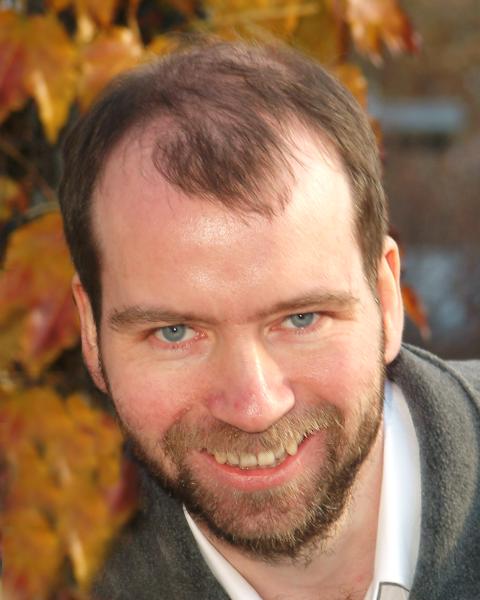
Till Voigtländer
Joint Action JARDIN
Till Voigtländer is associate professor of neurobiology and neurosciences at the Department of Neurology, Division of Neuropathology and Neurochemistry, Medical University of ViennVairāk
Till Voigtländer is associate professor of neurobiology and neurosciences at the Department of Neurology, Division of Neuropathology and Neurochemistry, Medical University of Vienna. After studying medicine in Heidelberg, Germany, he received his professional training in molecular biology, neuropathology, neurochemistry and neuroimmunology at different universities and institutions in Heidelberg, Berlin, Zurich, and Vienna. Since his board certification as specialist in neurobiology in 2006, he leads a specialised clinical laboratory focussing on the diagnosis of selected rare neurometabolic, neuroimmunological and neurodegenerative diseases. Besides his diagnostic responsibilities, he is actively involved in past and recent developments in the area of rare diseases on a national, as well as European level. In Austria, Dr. Voigtländer is country coordinator of Orphanet since 2004, was head of the National Coordination Centre for Rare Diseases at the Austrian Healthcare Institute (2011-2018) and is now the director of the national office for rare diseases (since 2019). He was one of the key participants in the elaboration of the national plan of action for rare diseases (2015) and is currently actively involved in its ongoing implementation. At the European level, Dr. Voigtländer was part of several former European expert groups and committees and has served three times as co-chair of the Board of Member States for European Reference Networks. Since the beginning of 2024, he is the coordinator of the Joint Action JARDIN on the Integration of ERNs into national healthcare systems. In 2019, Dr. Voigtländer received the EURORDIS Black Pearl European Rare Disease Leadership Award.
Mazāk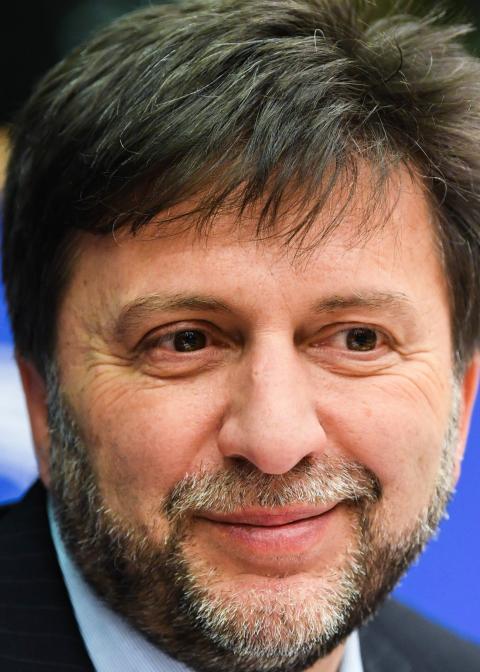
Luca Sangiorgi
ERN BOND Coordinator, Coordinator of the ERNs Coordinators Group
Luca Sangiorgi, Director of Department of Rare Skeletal Disorders, is the coordinator of the Rare Diseases Centre of Rizzoli Ortopaedic Institute siVairāk
Luca Sangiorgi, Director of Department of Rare Skeletal Disorders, is the coordinator of the Rare Diseases Centre of Rizzoli Ortopaedic Institute since 2006 and responsible of 4 National Registers of Rare Disease (Multiple Hereditary Exostoses, Osteogenesis Imperfecta, Ehlers-Danlos Syndrome, Ollier Disease and Maffucci Syndrome). He’s the coordinator of BIOGEN, diagnostic and research genetic biobank, and of Telethon Network of Genetic Biobanks.
From March 2017, he’s the coordinator of the European Reference Network on Rare Bone Disorders (ERN-BOND).
Luca Sangiorgi participates as coordinator or partner in more than 20 national and international research projects, including: European Joint Programme On Rare Disease EJP-RD, MCDS-Therapy Project, The European Registry for Rare Bone and mineral conditions (EuRR-Bone).
He’s the first author who has contributed to more than 100 articles published in impacted (Index H: Scopus 25 Google Scholar 27).
Mazāk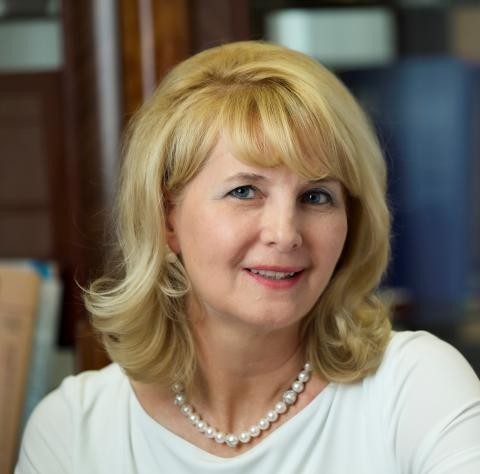
Judit Molnár
Semmelweis university, Budapest
Maria Judit Molnar, MD, PhD, is a professor of neurology, psychiatry, and clinical genetics and a doctor of the Hungarian Academy of Sciences. She serves as the director of the InsVairāk
Maria Judit Molnar, MD, PhD, is a professor of neurology, psychiatry, and clinical genetics and a doctor of the Hungarian Academy of Sciences. She serves as the director of the Institute of Genomic Medicine and Rare Disorders at Semmelweis University and is a member of the Committee for Orphan Medicinal Products at the European Medicines Agency (EMA). Dr. Molnar is also president of the Hungarian Medical College of Clinical Genetics and the Hungarian Society of Personalized Medicine. Additionally, she co-chairs the Neurogenetic Scientific Panel of the European Academy of Neurology (EAN). From 2012 to 2015, she served as vice-rector for Scientific Affairs at Semmelweis University. Renowned as a leading expert in rare disorders, Dr. Molnar leads an institute that is part of the European Reference Network for Rare Neurological and Neuromuscular Disorders. She also presides over the Hungarian Node of BBMRI-ERIC, Europe’s largest biobank network.
Mazāk
Alain Coheur
EESC Member
EESC Member
Alain Coheur, infirmier de formation, diplômé par la suite en Sciences de la santé publique de l’Université de Liège (Faculté de médecine, école de santé publique) avec une spécialisation en gestioVairāk
Alain Coheur, infirmier de formation, diplômé par la suite en Sciences de la santé publique de l’Université de Liège (Faculté de médecine, école de santé publique) avec une spécialisation en gestion hospitalière et diplômé de la Faculté des sciences économiques et sociales. Il a commencé sa carrière au centre hospitalier universitaire de Liège. En 1991, il rejoint l'Union Nationale belge des Mutualités Socialistes (département de recherche) et prend part à la gestion du système belge de santé en étant membre du Comité de l’assurance de l'Institut national d'assurance maladie invalidité et du Conseil National des Etablissements Hospitaliers au Ministère de la santé publique. Depuis 1997, il coordonne différents projets transfrontaliers en soins de santé entre la Belgique, la France, les Pays-Bas, l'Allemagne et le Luxembourg financés par les fonds européens, Interreg.
Entre 1998 et 2002, directeur de projets à l'Association Internationale de la Mutualité (AIM), depuis membre du Conseil d'Administration et élu Trésorier depuis juin 2017.
Depuis 2002, Directeur des affaires européennes et internationales chez Solidaris.
Depuis 2004, membre du bureau de l'Association Internationale de la Sécurité Sociale (AISS).
Entre 2007 et 2016, Président de l’ONG Solsoc.
En 2008 et 2015 président de Social Economy Europe et depuis lors Vice-Président.
Entre 2009 et 2023, vice-président du Réseau Education et Solidarité, lié aux questions d’éducation, de santé et de solidarité
Depuis, 2013, membre du conseil d’administration de l’Agence belge de coopération au développement (ENABEL) et depuis 2021 Vice-président.
Depuis 2014, membre du Groupe d'experts de la Commission Européenne sur l'Entrepreneuriat Social (GECES) et depuis 2020 membre en tant que représentant du CESE.
Entre 2014 et 2019, membre du Conseil Wallonie Bruxelles de la Coopération internationale (CWBCI) qu’il a présidé en 2017.
Depuis 2015, membre du Comité Economique et Social Européen (CESE), Entre 2015 et 2020 porte-parole de la catégorie économie sociale et président du groupe permanent d’études sur les entreprises de l’économie sociale. Depuis, 2020 président de la Commission Marché Intérieur, Producteur et Consommateur.
Entre 2018 et 2023, vice-président de l’Institut Montparnasse, think tank mutualiste sur les transformations des entreprises de l’économie sociale.
Depuis 2018, membre du Conseil d’administration du CIRIEC (section belge et internationale)
Depuis 2019, co-président du Forum International de l’Economie Sociale et Solidaire (ESS FI)
Depuis la rentrée académique 2022, Maître de Conférence à l’Université de Liège, Faculté de médecine, Ecole de Santé Publique.
Mazāk
Erika Borszékiné Cserháti
Érintettek Parents' association
Erika Borszékiné Cserháti: I am a mother of three children. I studied law and work as a regulatory expert in the energy sector. I am mental health counsellor, and I lead studeVairāk
Erika Borszékiné Cserháti: I am a mother of three children. I studied law and work as a regulatory expert in the energy sector. I am mental health counsellor, and I lead students in mental health project management seminar at Semmelweis University in Budapest.
My middle child was three weeks old when, in 2010, a new era began in our family life. He was diagnosed with neuroblastoma at a very advanced stage, we spent more than one and a half years in clinics.
Érintettek Association means a lot to me and I am honored to be its president. I am the initiator and co-author of books written for children suffering from leuchemia and cancer (The Bravery Test) and for parents (Érintettek Book).
Through volunteer work, my husband and I would like to express our gratitude and thanks for healing our child. Together with other involved families we help those who are now facing this serious disease.
Mazāk
Daniel Theisen
ALAN, Luxembourg
Daniel Theisen holds a PhD in Rehabilitation Sciences from the Université catholique de Louvain (UCL), Louvain-la-Neuve (Belgium) where he took on a posiVairāk
Daniel Theisen holds a PhD in Rehabilitation Sciences from the Université catholique de Louvain (UCL), Louvain-la-Neuve (Belgium) where he took on a position of assistant professor as of 2000. In 2007 he joined the Luxembourg Institute of Health (LIH) to develop new research activities into sports medicine and rehabilitation science. In 2009 he incepted the Sports Medicine Research Laboratory (LIH) which he directed until 2018, developing expertise in epidemiology and biomechanics of sports injury prevention. Since 2019 he has been the director of ALAN – Maladies Rares Luxembourg, a non-profit organisation for patients living with a rare disease. Dr Theisen has had several academic appointments in Luxembourg, Belgium, Switzerland and Chile, providing teaching for graduate and postgraduate students in different areas related to exercise science. He has a record of over 100 scientific contributions as peer-reviewed articles and book chapters.
Mazāk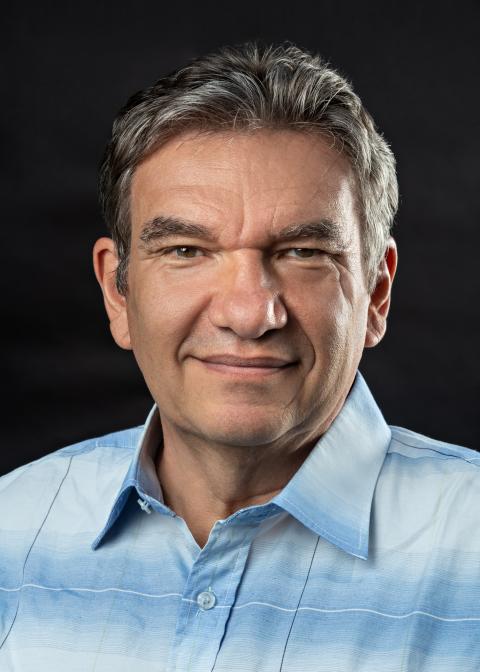
Gábor Pogány
RIROSZ, National Association of People with Rare and Congenital Disorders, Hungary
Dr. Gábor Pogány holds a Ph.D. in Biochemistry with three years of research experience in the USA. His middle daughter affected with Williams Syndrome (WS). In cooperatioVairāk
Dr. Gábor Pogány holds a Ph.D. in Biochemistry with three years of research experience in the USA. His middle daughter affected with Williams Syndrome (WS). In cooperation with others, Gábor established the Hungarian Williams Syndrome Association (HWSA) in 1998 to help to improve early diagnosis and provide information to patients. He initiated the foundation of the European Federation of Williams Syndrome Association (FEWS) as well as the Hungarian Rare Diseases Federation (HUFERDIS), or recently the Hungarian Alliance of Patient Organizations (HAPO) and National Patient Forum. The first two organisations are members of EURORDIS. He is a member of Hungarian Expert Committee on Rare Diseases from 2009.
He actively participated in different EURORDIS activities as volunteer from the early days of EURORDIS. As an invited speaker, he gave talks in EURORDIS meetings and several other international and national conferences. Gábor represented FEWS in the EURORDIS Council of European Federations (CEF) and Hungary in the Council of National Alliances (CNA). He was a member of the European Conference on Rare Diseases & Orphan Products (ECRD) Programme Committee (PC). He also was an alternative patient representative of EURORDIS in the European Union Committee of Experts on Rare Diseases (EUCERD) and he is a member of Orphanet International Advisory Board. Together with other regional patient advocacy leaders of the European Union, he played a pioneer role in the rare disease movement of new member states. Among other things, he directed the organization of five EUROPLAN Conferences in Hungary, involving all the concerned stakeholders, for the development of a national plan for rare diseases. He is the member of National Data Contributing Committee (DCC) of the European State of the Art for Rare Disease Activities Surveys.
He has 30 years of professional experience, and personal commitment, in health and medical research non-governmental organisations in Hungary, Europe and the United States in the fields of cancer, genetic disorders and rare diseases. As the president of HUFERDIS, he is actively participating in European Commission funded projects and was an active player of the establishment of Hungarian National Patient Forum, resulting his election as the Coordinator of the Forum and his activities in the European Patient Forum (EPF) and Active Citizenship Network (ACN). In this position, he was able to accelerate the process of official nomination of Hungarian RD Centres of Excellence, organizing the necessary round tables. He was involved in the development of European Reference Networks, participating in EURORDIS Patient Advocacy Group (E-PAG), and in the formation of European Social Policy of Rare Diseases as a member of EURORDIS Social Policy Action Group (SPAG). He was also a member of the Panel of Experts (PoE) of the Rare2030 Foresight study, where through a consultative multi-stakeholder process, the desirable
scenario for a new policy framework was indicated. Currently, he is working on the creation of the second Hungarian National Plan for Rare Diseases, as well as on ensuring that rare diseases are treated as a priority at the EU level, and that this is reflected in the health policy agenda of the current EU Council Presidency trio (including, of course, the current Hungarian Presidency).
Mazāk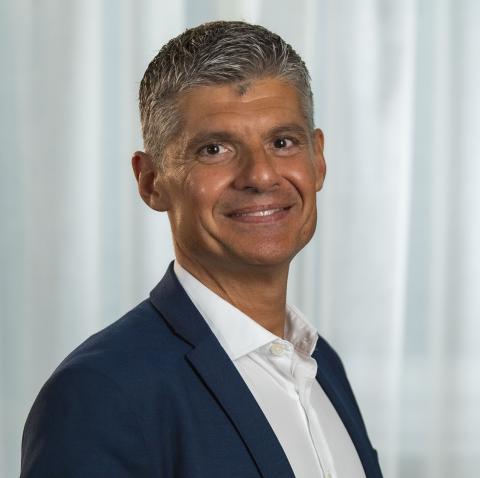
Jean-Philippe Plançon
Alliance Maladies Rares, France
Jean-Philippe Plançon is a patient advocate. He lives with a rare disease for 25 years and is graduated in fields of public health, nursing, rare diseases, advocacy, and Vairāk
Jean-Philippe Plançon is a patient advocate. He lives with a rare disease for 25 years and is graduated in fields of public health, nursing, rare diseases, advocacy, and medical journalism.
Jean-Philippe is the vice-president of the French Rare Diseases Alliance (Alliance Maladies Rares), a 240 patient associations organization. In 2006 he founded the Association Française contre les Neuropathies Périphériques (AFNP), a patient organization supporting people affected by rare neuromuscular diseases. He is also co-founder and the actual president of the European Patient Organization for Dysimmune and Inflammatory Neuropathies (EPODIN).
For few years, Jean-Philippe has been a member of several expert committees of the French National Agency for the Safety of Medicines and Health Products (ANSM), and since 2021 he is vice-chairman of the Board of Directors of this agency.
Mazāk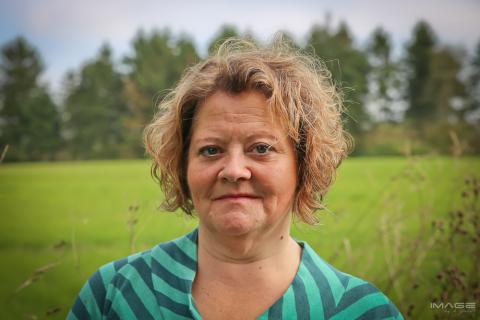
Lene Jensen
Chief Executive Officer, Rare Diseases Denmark
Lene Jensen is Director of the secretariat of Rare Diseases Denmark, a positions she has held for more than 15 years. Ms. Jensen holds a Master of SciencVairāk
Lene Jensen is Director of the secretariat of Rare Diseases Denmark, a positions she has held for more than 15 years. Ms. Jensen holds a Master of Science in Economics and is a former member of the Danish Parliament. At present, Ms. Jensen represent Rare Diseases Denmark in a number of contexts, including a working group related to the Danish national strategy of rare diseases.
Mazāk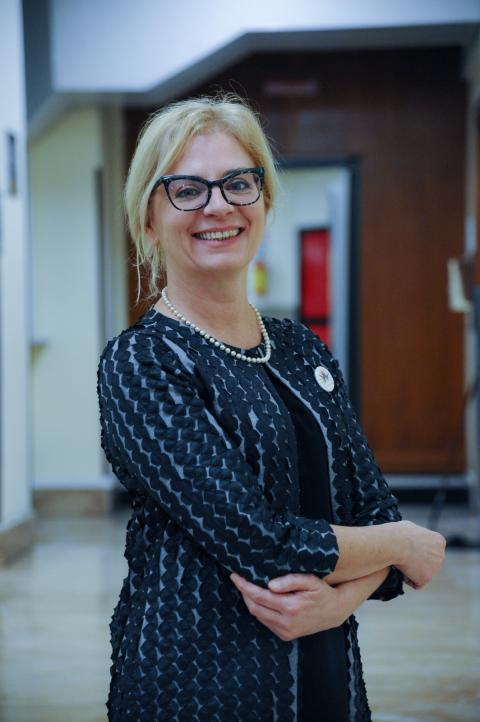
Annalisa Scopinaro
Uniamo
Annalisa M. Scopinaro, President of Uniamo since 2019, has been involved in rare diseases since the birth of her second child. She represents the Italian Federation in many instituVairāk
Annalisa M. Scopinaro, President of Uniamo since 2019, has been involved in rare diseases since the birth of her second child. She represents the Italian Federation in many institutional committees and actively collaborates with key stakeholders to improve the quality of life of people living with a rare disease.
She participated in the work to draft the first and second Italian National Plans for rare diseases. Among other activities, she continued the publication of the MonitoRare report, edited by the Federation, which every year monitors the state of implementation of policies in favour of people with rare diseases.
Mazāk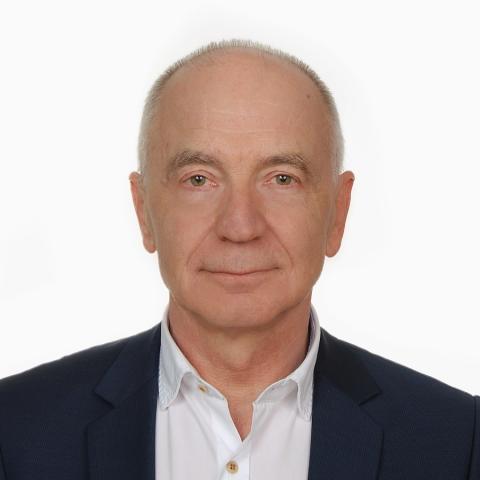
Lech Pilawski
EESC Member
Lech Pilawski is a Member of the EESC Employers' Group since 2020, Vice-President of the EESC Laboure Market Observatory, Member of the SOC, INT and Ad Hoc Gender Equality Group seVairāk
Lech Pilawski is a Member of the EESC Employers' Group since 2020, Vice-President of the EESC Laboure Market Observatory, Member of the SOC, INT and Ad Hoc Gender Equality Group sections, Author of the own-initiative opinion Critical Medicines Act. He is involved in many other EESC opinions on Health Union issues (Pharmaceutical Package, Critical Medicines List, Drug Safety, chaired the study group of the opinion on rare diseases). Participant in industry conferences on health.
He is an advisor to the board of the Polish employers' confederation Lewiatan, a member of BusinessEurope.
Mazāk
Bas Nijhuis
Dutch Permanent Representation to the EU
Bas Nijhuis is Health attache at the Dutch Permanent Representation to the EU. There, he is responsible for files such as digitalization in healthcare, health crisis preparedness aVairāk
Bas Nijhuis is Health attache at the Dutch Permanent Representation to the EU. There, he is responsible for files such as digitalization in healthcare, health crisis preparedness and public health. The past two years, he has served as the lead negotiator of the European Health Data space on the Netherlands’ behalf. Before, he served as a crisis manager within the Dutch Ministry of Health.
Mazāk
Tamás Kovács A.
Health Informatics Service and Development Centre, Hungary
dr. Tamás Kovács is the data protection officer to the state-owned Health Informatics Service and Development Centre (ESZFK) and legal advisor to the Digital Hungary Agency (DMÜ) aVairāk
dr. Tamás Kovács is the data protection officer to the state-owned Health Informatics Service and Development Centre (ESZFK) and legal advisor to the Digital Hungary Agency (DMÜ) and the National Council for Telecommunications and Informatics (NHIT) in Hungary.
As lawyer specialized in IT, dr. Kovács has played an active role in the development of Hungary’s e-governance landscape. He contributed to the development of legislative frameworks for electronic administration, leading legal and regulatory working groups, and advising on projects such as the National eHealth Infrastructure (EESZT) and the Digital Citizenship Program in Hungary. He also served as a legal expert for several significant national and EU-level initiatives, including the European Health Data Space (EHDS).
With nearly two decades of experience in digital administration as well as a strong academic background, with a Ph.D. candidacy in electronic administration law, his work focuses on providing regulatory and legal support for critical IT projects and public administration reforms.
Mazāk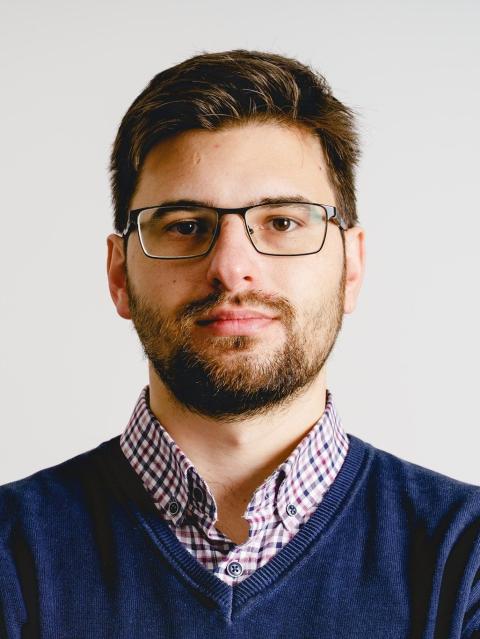
Stefan Živković
National Organisation of Rare Diseases, Serbia
Stefan Živković is the Project Coordinator at the National Organisation for Rare Diseases of Serbia (NORBS), an umbrella rare disease patient organisation and director of FoundatioVairāk
Stefan Živković is the Project Coordinator at the National Organisation for Rare Diseases of Serbia (NORBS), an umbrella rare disease patient organisation and director of Foundation NORBS Plus, a charity organisation focused on supporting those with rare diseases in Serbia through essential medical and technical aids. Stefan has a broad experience in civil society organizations across Serbia and Europe. His commitment to rare diseases is deeply personal, driven by his younger sister's battle with cystic fibrosis, which gives him unique insight into the challenges faced by rare disease patients and their families.
Mazāk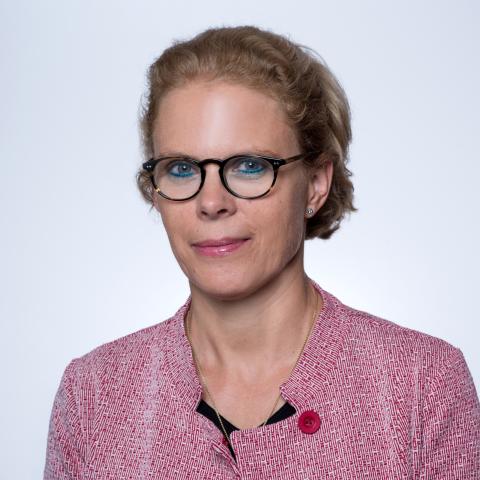
Hélène Dollfus
Coordinator of ERN-EYE
Pr Hélène Dollfus, MD, PhD, is a specialist in Medical Genetics and Ophthalmology. She is the head of the Medical Genetics Department at the Strasbourg University Hospital (HUVairāk
Pr Hélène Dollfus, MD, PhD, is a specialist in Medical Genetics and Ophthalmology. She is the head of the Medical Genetics Department at the Strasbourg University Hospital (HUS). She is the coordinator of the Rare Diseases in Ophthalmic Genetics Reference Center (CARGO). She coordinates the French rare diseases network dedicated to rare genetic sensory disorders FSMR SENSGENE. Since 2017, she is the coordinator of ERN-EYE, the European Reference Network dedicated to Rare Eye Diseases. Hélène Dollfus is also head of the Medical Genetics Research Laboratory INSERM -Université de Strasbourg UMRS_1112 and of the Institute of Medical Genetics of Alsace (IGMA). Her research focuses on genomic, pathogenesis and therapeutic aspects of rare syndromic retinal dystrophies including ciliopathies. As part of the European network endeavour, she leads the “SeeMyLife” project, focused on the quality of life for visually impaired children in Europe.
Mazāk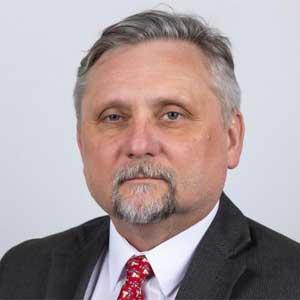
János Sándor
University of Debrecen
János Sándor MD, PhD, DSc
Head of department of Public Health and Epidemiology; University of Debrecen Faculty of Medicine
Most important research projects leadVairāk
János Sándor MD, PhD, DSc
Head of department of Public Health and Epidemiology; University of Debrecen Faculty of Medicine
Most important research projects leaded:
- Geographical inequalities in cancer mortality in Baranya county; OTKA; 1998; F 026186.
- Critical review of policies and programmes on hypertension and diabetes prevention and control, and cancer control; Regional Office for
- Socio-economical determinants of inequalities in access to cancer screening; Regional Office for
- Population based folate status monitoring to explore the causes of insufficient folate intake and to establish effective interventions; ETT; 2006-2008; 137/2006.
- Public Health Focused Model Programme for Organising Primary Care Services by a Virtual Care Service Centre “Basic and final survey about the additional services provided by GP clusters and their effectiveness”; SH/8/1; 2012-2017.
- Public Health Focused Model Programme for Organising Primary Care Services by a Virtual Care Service Centre “Research Programmes”; SH/8/1; 2013-2017.
- WP1.3 work package leader (Planning investigations and biostatistical analyses) of the „Improving economic competitiveness of Hungary by identifying targets and methods to improve the health status of the Hungarian population” program (GINOP-2.3.2-15-2016-00005; 2016-2020).
- Leader of the working group to monitor the effectiveness of general medical practices’ clusters „Development of the provision of health services” program; (EFOP 1.8.0 – VEKOP 17-2017-00001; 2017-2020).
- Leader of the project “Development of health care monitoring can be inserted into the routine health statistical system for segregated colonies of Hungary; (BM/16145-3/2019, FEIF/1616/2019-ITM_SZERZ; BM/6327-3/2021, FEIF/951/2021-ITM_SZERZ; BM/8111-2/2024).
- Leader of the "Monitoring the effectiveness of telemedicine care established within the framework of the Attila Naszlady health promotion program" of the Hungarian Charity Service of Malta. Maturity: 2023.
Hungarian representative in international projects:
- Rare Diseases Portal; associated partner; EU Public Health Program; Priority area: Health Information; Action: Developing strategies for information exchange and responding to non-communicable health threats. 2007-2009, 2009-2012)
- EurordisCare3. Eurordis survey on patients’ experience and expectations concerning access to health services in
- EUROPLAN, European Project for Rare Diseases National Plans Development Europlan; contributing partner; EU Public Health Program; Priority area: Health Information; Action: Developing strategies for information exchange and responding to non-communicable health threats. 2008-2010.
- European Platform for Rare Disease Registries, EpiRare (2011-2013)
Ana Rath
Orphanet
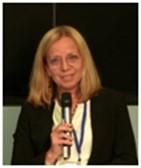
Ana Rath is a medical doctor with a background in general surgery and a Masters degree in Philosophy. She oriented her career to medical information and terminologies in 1997 and jVairāk
Ana Rath is a medical doctor with a background in general surgery and a Masters degree in Philosophy. She oriented her career to medical information and terminologies in 1997 and joined Orphanet (www.orpha.net) in 2005, where she was Manager of the Orphanet Encyclopaedia, then Scientific Director, and Director of Orphanet and Coordinator of the Orphanet network since 2014. Ana was the coordinator of RD-ACTION, the EU Joint Action for rare diseases (2015-2018) and of the IRDiRC’s Scientific secretariat until 2017. She chairs the Orphanet Rare Disease Ontology (ORDO), and was member of the WHO’s ICD11 Revision Steering Committee. She coordinates projects on implementation of RD codification in EU member states (RD-CODE, OD4RD),co-chaired the EJP RD Pillar 2 on data and resources ecosystem for RD research in Europe and currently co-chairs the Data Service Hub in ERDERA (European RD Research Alliance).
Mazāk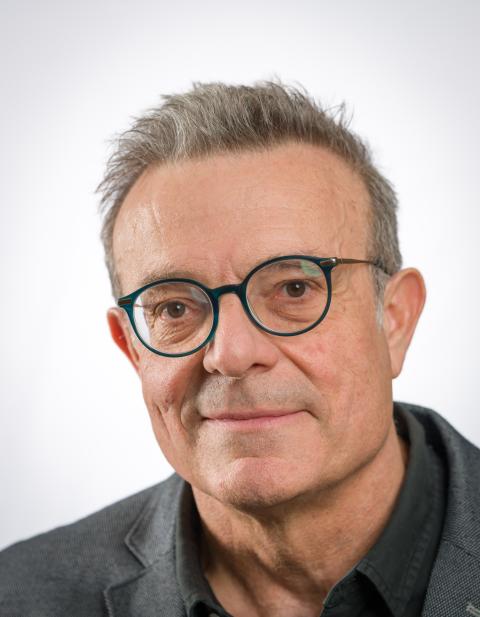
Enrique Terol
Health Counsellor, Permanent Representation of Spain to the EU
Dr Enrique Terol works as Health Counsellor in the Permanent Representation of Spain to the European Union and represents the interests of Spain in the aVairāk
Dr Enrique Terol works as Health Counsellor in the Permanent Representation of Spain to the European Union and represents the interests of Spain in the area of health.
He is MD, specialized in Family and Community Medicine, MSc and PhD in Public Health and has followed specialisation courses on healthcare management and quality of healthcare.
His professional experience includes the clinical practice, managerial positions as Medical Director and CEO of Primary and Specialised Healthcare in private and public institutions and healthcare planning. He was Deputy General Director of Quality and Health Planning of the Ministry of Health of Spain between 2004 and 2008 in charge of the development inter alia of the Spanish Strategy of ischemic heart disease, Diabetes, Mental health, rare diseases and Patient safety.
He worked as Health Attaché in the Spanish Permanent Representation to the EU and coordinator of the area of Health in the Spanish Presidency of the EU between 2008 and 2011. From 2011 to 2020, he worked as Seconded National Expert and as Policy officer in DG SANTE developing the legal and organisational bases for and the set-up and implementation of the European Reference Networks (ERN) under the framework of the Directive of Cross-border Health. Between 2021 and 2022 worked as team leader in the Medical Service of the European Commission.
Since 2022 he works as Health counsellor at Spanish Permanent Representation and coordinates the Health are during the Spanish Presidency of the EU
Mazāk
Monica García Gomez
Spanish minister of health
Monica García Gómez
Appointed Minister of Health by Royal Decree 835/2023 of 20 November (BOE of 21 November).
The Minister of Health is responsible for proposing and iVairāk
Monica García Gómez
Appointed Minister of Health by Royal Decree 835/2023 of 20 November (BOE of 21 November).
The Minister of Health is responsible for proposing and implementing the Government’s policy on health, planning and health care, as well as the exercise of the powers of the General State Administration to guarantee citizens the right to health protection.
Professional background:
- Medical Doctor and specialist in Anaesthesiology, Resuscitation and Pain Therapy at the 12 de Octubre University Hospital (2004 – 2015).
- Master in Clinical Management at the National School of Health.
- Member of the Madrid Assembly (regional parliament) from June 2015 to November 2023.

Judit Bidló
Deputy State Secretary, Hungary
Dr. Judit Bidló has been serving as the Deputy State Secretary for the Professional Management of Healthcare at the Ministry of the Interior since March 1, 2023.
She is a phaVairāk
Dr. Judit Bidló has been serving as the Deputy State Secretary for the Professional Management of Healthcare at the Ministry of the Interior since March 1, 2023.
She is a pharmacist, economist, and infobionics engineer, a founding member of the Hungarian Health Economics Society. She gained her experience in the pharmaceutical industry at Novartis and the Association of Innovative Pharmaceutical Manufacturers of which she was director for 4 years between 2005-2009. Prior to her current position at the Ministry, she worked at the National Health Insurance Fund for 14 years, in the area of pricing and reimbursement. She served as the deputy general director of price reimbursement from November 2018 until February 2023.
She is committed to help strengthen the health systems in Hungary to become more resilient and sustainable and is a strong supporter of the development of data-driven healthcare decision-making.
Mazāk
Urszula Demkow
Undersecretary of State, Ministry of Health, Poland
At the Ministry of Health, Urszula Demkow initiates, coordinates, and supervises the work of various departments, including the Department of Healthcare Vairāk
At the Ministry of Health, Urszula Demkow initiates, coordinates, and supervises the work of various departments, including the Department of Healthcare in matters related to rare diseases.
Urszula Demkow graduated from the Faculty of Medicine at the Medical University of Warsaw (WUM) and completed postgraduate studies in health care management at the University of Warsaw. As professor of medical sciences, she holds specializations in internal medicine (second degree), immunology, allergology and laboratory diagnostics.
From 2020 to 2022, Urszula Demkow was a head of the University Center for Laboratory Medicine. Currently, she heads the Department of Laboratory Diagnostics and Clinical Immunology of the Developmental Age at the Faculty of Medicine at WUM. She is a member of numerous scientific societies, including, among others, the Polish Society for Personalized Medicine and the Committee on Immunology and Etiology of Human Infections of the Polish Academy of Sciences.
Urszula Demkow is an expert of the European Commission for financing projects in the field of medicine and a plenipotentiary of the Rector of the Warsaw Medical University for equality.
She was also a chief editor of the Central European Journal of Immunology.
Mazāk